


Global aquaculture has reached a historic turning point, with farmed aquatic production now supplying the majority of seafood consumed worldwide, according to the latest Food and Agriculture Organization of the United NationsState of World Fisheries and Aquaculture (SOFIA) 2026 report. While the milestone underscores aquaculture’s critical role in feeding a growing global population, the FAO cautions that climate change, warming oceans and increasingly intensive production systems are creating new vulnerabilities to aquatic animal diseases, underscoring the urgent need for stronger biosecurity and science-based health management.
The biennial report paints a picture of an industry that has become indispensable to global food security. Aquaculture is now the fastest-growing animal protein production sector, accounting for more than half of all aquatic animal products destined for human consumption. At the same time, the FAO warns that disease outbreaks, environmental degradation and climate-driven ecosystem changes threaten the sector’s long-term resilience.
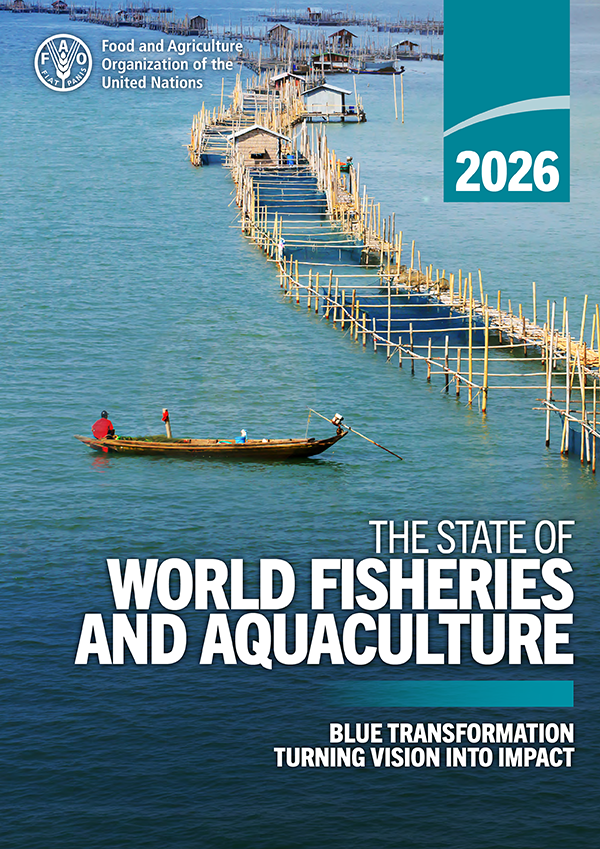
Aquaculture Becomes the World’s Primary Source of Seafood
According to the SOFIA 2026 report, global fisheries and aquaculture production has continued its steady upward trajectory, driven primarily by expansion in aquaculture. Key findings include:
| Indicator | Latest FAO Estimate |
|---|---|
| Global fisheries and aquaculture production | ≈200 million metric tonnes |
| Aquaculture production (animals and algae combined) | ≈130 million metric tonnes |
| Aquatic animals produced through aquaculture | ≈100 million metric tonnes |
| Share of seafood for human consumption supplied by aquaculture | More than 50% |
| Global per-capita aquatic food consumption | ≈20–21 kg/year |
The FAO notes that aquaculture has evolved from a supplementary food production system into a strategic pillar of global nutrition, helping meet rising demand for high-quality protein as capture fisheries approach biological production limits.
Asia Continues to Dominate Global Production
Aquaculture remains heavily concentrated in Asia, which accounts for nearly 90% of global farmed aquatic production. Major producing countries include:
-
China
-
India
-
Indonesia
-
Vietnam
-
Bangladesh
-
Norway
-
Chile
China alone remains the world’s largest producer, while India has consolidated its position as one of the fastest-growing aquaculture economies through expansion of shrimp and freshwater fish farming.
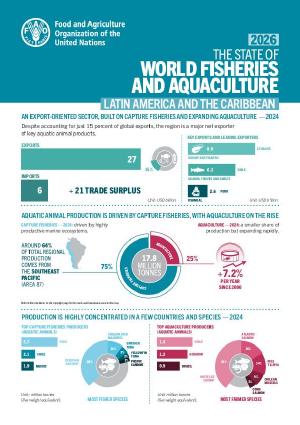
Climate Change Emerging as Major Biological Threat
While production continues to rise, the FAO identifies climate change as one of the most significant emerging risks facing aquatic food systems.
Increasing sea surface temperatures, marine heatwaves, altered rainfall patterns and changing salinity are affecting aquatic ecosystems worldwide, creating conditions that favour the emergence and spread of infectious diseases.
The report highlights that warming waters can accelerate the growth and transmission of bacterial, viral, fungal and parasitic pathogens while placing physiological stress on cultured species, reducing disease resistance.
Extreme weather events—including floods, cyclones and prolonged droughts—are also disrupting aquaculture infrastructure and increasing opportunities for pathogen introduction and spread.
Disease Outbreaks Threaten Industry Expansion
The FAO warns that disease outbreaks remain one of the largest economic risks facing global aquaculture.
Pathogens affecting shrimp, salmon, tilapia and carp continue to cause substantial production losses across major producing regions. Among the diseases of greatest concern are:
-
White Spot Syndrome
-
Acute Hepatopancreatic Necrosis Disease
-
Infectious Salmon Anaemia
-
Tilapia Lake Virus
-
Koi Herpesvirus Disease
Global economic losses associated with aquatic animal diseases are estimated to run into billions of U.S. dollars annually, affecting productivity, trade and food security.
Biosecurity Moves to Centre Stage
Against this backdrop, the FAO calls for a stronger emphasis on science-based biosecurity governance. Key recommendations include:
-
Enhanced aquatic animal disease surveillance
-
Early-warning and rapid reporting systems
-
Improved farm-level biosecurity
-
Responsible movement of live aquatic animals
-
Better water-quality management
-
Wider adoption of vaccination where available
-
Genetic improvement for disease resistance
-
Greater investment in aquatic animal health research
The report stresses that preventing disease outbreaks is significantly more cost-effective than responding after large-scale production losses have occurred.
Sustainability Beyond Production
The FAO emphasizes that future growth must be accompanied by improvements in environmental sustainability. Priority areas include:
-
More efficient feed conversion
-
Reduced dependence on wild fishmeal and fish oil
-
Circular production systems
-
Integrated multi-trophic aquaculture
-
Lower greenhouse gas emissions
-
Responsible antibiotic stewardship
-
Ecosystem-based management
The organization argues that long-term industry growth will depend not only on increasing production but also on improving resilience, resource efficiency and environmental performance.
Expanding Role in Global Food Security
Aquatic foods continue to make a vital contribution to global nutrition. Fish and seafood provide high-quality protein, essential fatty acids, vitamins and minerals for billions of people, particularly in low- and middle-income countries.
As the global population moves toward an estimated 9.7 billion people by 2050, aquaculture is expected to play an increasingly important role in meeting rising demand for affordable and nutritious animal protein.
Industry Outlook
The SOFIA 2026 report concludes that aquaculture has entered a new phase of development. Having become the dominant source of seafood for human consumption, the industry’s future success will increasingly depend on its ability to balance production growth with robust disease prevention, environmental stewardship and climate resilience.
For governments, producers and animal health companies alike, the message is clear: investment in aquatic animal health, advanced biosecurity, surveillance systems and climate-adaptive production practices will be essential to safeguarding one of the world’s fastest-growing food sectors.
As aquaculture continues its transition from a complementary food source to the backbone of global seafood supply, the FAO warns that protecting fish health will be just as important as increasing production.
Full Report – FAO – SOFIA REPORT 2026

