


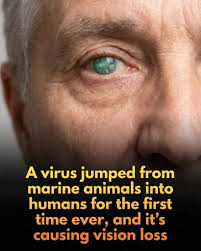
Researchers identify first evidence connecting aquatic pathogen CMNV to treatment-resistant ocular disease, highlighting potential zoonotic risks and the need for stronger aquaculture biosecurity
Scientists have identified compelling evidence linking an emerging aquaculture virus to a previously unexplained human eye disease, marking what researchers describe as the first documented association between Covert Mortality Nodavirus (CMNV) and human illness. The findings, published in Nature Microbiology, raise important questions about pathogen spillover from aquatic animals to humans and underscore the growing importance of biosecurity in global aquaculture.
The study links CMNV—an RNA virus already recognized as an emerging disease in aquaculture—to persistent ocular hypertensive viral anterior uveitis (POH-VAU), a severe inflammatory eye disorder characterized by recurrent uveitis, persistently elevated intraocular pressure and progressive vision loss. Researchers emphasize that the findings demonstrate an association rather than definitive proof of causation, although multiple lines of clinical, molecular and experimental evidence strongly support the link.
A Major Discovery at the Human–Aquatic Animal Interface
CMNV was first identified in farmed shrimp and has since been detected in more than 20 aquatic species, including shrimp, crabs, marine fish, freshwater fish, molluscs and echinoderms. The virus has caused significant economic losses in global aquaculture and was listed by the World Organisation for Animal Health as an emerging aquatic animal disease in 2023.
Until now, however, CMNV had been considered an aquatic pathogen with no confirmed association with human disease.
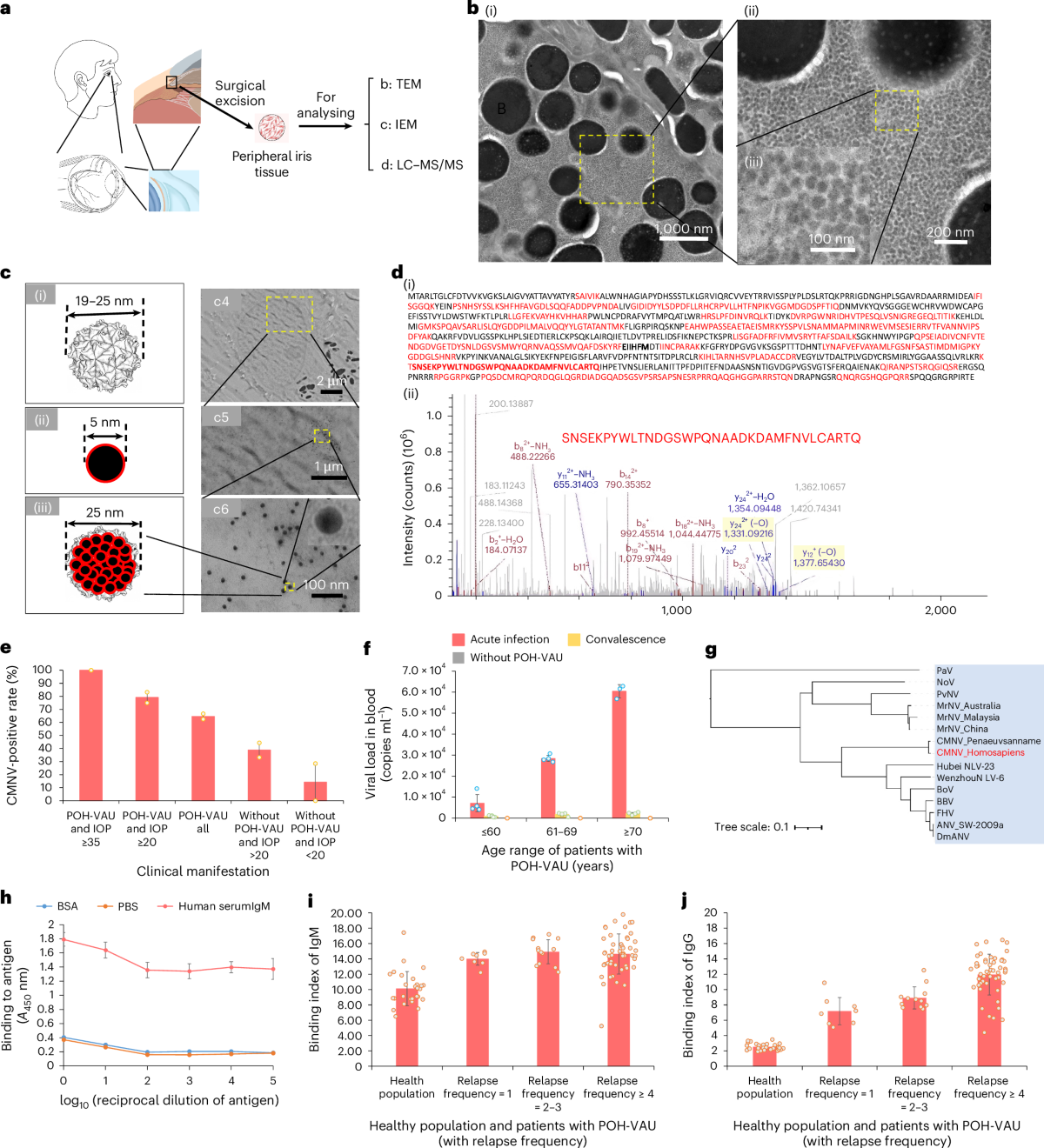
Researchers enrolled 70 patients diagnosed with POH-VAU between 2022 and 2025 and compared them with control groups. Using molecular diagnostics, serological testing and tissue analysis, they detected CMNV genetic material in ocular tissues and found evidence of immune responses consistent with CMNV infection in affected patients.
Genetic Evidence Points to Aquatic Origin
Among the study’s most striking findings was the close genetic similarity between viral sequences recovered from human patients and known aquatic CMNV strains.
Researchers reported that fragments of the CMNV RNA-dependent RNA polymerase (RdRp) gene isolated from patients shared 98.96% sequence homology with CMNV strains circulating in aquatic animals. Phylogenetic analysis showed the human isolates clustered closely with viruses previously detected in cultured shrimp and fish, suggesting a common origin.
Serological analysis also demonstrated CMNV-specific antibody responses in all 70 patients with POH-VAU, whereas healthy individuals and patients with other eye diseases did not show comparable responses.
Handling Raw Aquatic Animals Emerges as Key Risk Factor
An epidemiological investigation identified occupational and dietary exposure as major risk factors.
After adjusting for age and sex, multivariable logistic regression indicated that frequent CMNV exposure, repeated severe exposure events and exposure intensity were independently associated with increased risk of developing POH-VAU. Among documented exposure routes:
-
54.3% of patients reported frequent unprotected processing of aquatic animals, including handling live or frozen fish and shrimp.
-
17.1% reported frequent consumption of raw aquatic products.
-
Collectively, 71.4% of investigated cases involved either repeated handling of aquatic animals without protection or regular consumption of raw aquatic products.
Researchers also found that puncture wounds from fish spines, shrimp appendages and other sharp aquatic animal structures represented particularly high-risk exposure events.
Severe Eye Disease With Limited Treatment Success
POH-VAU is characterized by recurrent inflammation of the anterior eye accompanied by persistent ocular hypertension that can damage the optic nerve.
Among the 70 patients studied:
-
82.9% experienced multiple episodes of anterior uveitis.
-
51.4% developed peak intraocular pressures exceeding 45 mmHg.
-
Approximately 30% had persistent ocular hypertension despite medical therapy.
-
35.7% required long-term treatment.
-
Patients with uncontrolled disease eventually required glaucoma surgery, with 68.8% achieving complete surgical success and 81.3% achieving qualified success after trabeculectomy.
-
At least one patient developed irreversible vision loss following prolonged uncontrolled intraocular pressure.
Experimental Evidence Supports Biological Plausibility
To investigate whether CMNV could directly affect mammals, researchers conducted laboratory studies in mice and mammalian cell cultures.
Experimental infection produced:
-
Elevated intraocular pressure
-
Corneal, iris and retinal pathology
-
Ocular inflammation
-
Successful infection of mammalian cells in vitro
These findings provide biological support for the hypothesis that CMNV possesses the capacity to infect mammals and induce ocular disease under experimental conditions.
Virus Widely Distributed in Seafood Supply
The researchers also screened 351 aquatic food samples representing 52 species purchased from markets.
CMNV was detected across multiple seafood categories:
| Aquatic group | CMNV-positive samples |
|---|---|
| Crabs | 61.5% |
| Molluscs | 58.7% |
| Fish | 54.7% |
| Cephalopods | 47.1% |
| Shrimp | 28.1% |
Viral loads ranged from approximately 9,400 to 60,000 copies per gram of tissue, confirming widespread circulation of the virus among commercially available aquatic animals in the sampled regions.
Implications for Aquaculture and One Health
The study does not conclude that CMNV poses a widespread public health threat or that seafood is unsafe when properly handled and prepared. Rather, it highlights the importance of occupational hygiene, surveillance and further investigation into aquatic viruses with potential zoonotic capability.
The accompanying Nature Microbiology News & Views article notes that the findings expand understanding of zoonotic risks associated with aquatic environments and reinforce the importance of monitoring viruses circulating in aquaculture systems.
For the aquaculture industry, the research reinforces the need to strengthen:
-
Farm-level biosecurity
-
Disease surveillance
-
Occupational health measures
-
Personal protective equipment during seafood processing
-
Monitoring of emerging aquatic pathogens
-
Integrated One Health surveillance linking animal, environmental and human health

