


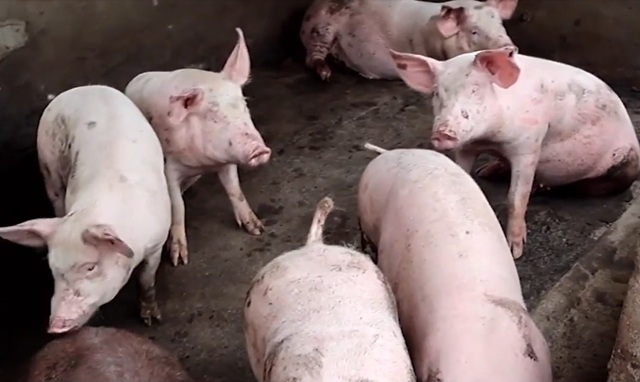
MANILA, Philippines — Following an official joint decree issued by Beijing’s General Administration of Customs and the Ministry of Agriculture and Rural Affairs (Announcement No. 66), the Philippine Department of Agriculture’s Bureau of Animal Industry (DA-BAI) released an administrative assessment addressing China’s immediate import ban on all Philippine live pigs, wild boars, and associated swine derivatives.
The emergency ban was activated by Chinese regulatory bodies after localized epidemiological updates were logged with the World Organisation for Animal Health (WOAH). Despite the high-profile nature of the announcement, Philippine agricultural authorities confirmed that the directive yields no immediate material or macroeconomic disruption to the country’s domestic livestock economy.
Fiscal and Macro Trade Impact Analysis
The DA-BAI formally categorized the commercial weight of Announcement No. 66 as neutral.
-
Zero Export Exposure: Bureau trade registries indicate that the Philippines does not currently maintain an active commercial pipeline exporting live swine, genetic stock, or pork commodities to mainland China.
-
Trade Performance Metric: Because outbound logistics to this corridor are non-existent, the immediate trade ledger and revenue streams for the domestic commercial hog sector remain entirely unaffected.
-
Strict Border Reciprocity: The ban is viewed by the Department of Agriculture as a standard precautionary bio-exclusion protocol rather than a targeted trade dispute, ensuring that both nations maintain reciprocal biosecurity frameworks.
Dual Disease Management Update: ASF & CSF
The DA-BAI utilized the trade brief to outline the current biological reality of the Philippine hog sector, emphasizing that the country is aggressively mitigating two distinct viral pressures under international veterinary oversight:
1. Classical Swine Fever (CSF)
-
Status: Categorized as an endemic viral condition within specific sub-regions.
-
Containment Protocol: Handled through standardized, state-subsidized compulsory vaccination schedules, localized active surveillance loops, and uniform farm-gate biosecurity criteria.
2. African Swine Fever (ASF)
-
Status: Managed under emergency suppression protocols since its initial introduction into the archipelago in 2019.
-
Epidemiological Progress: National surveillance logs show sharp epidemiological improvements. Active ASF cases nationwide plummeted to just 8 barangays by the close of the recent tracking window—a major drop from 20 barangays the previous month, and a stark decline from 65 barangays logged earlier in the quarter.
-
Since the baseline outbreak in 2019, containment vectors have successfully suppressed the virus across 6,574 barangays through strict movement controls, synchronized depopulation (culling) of exposed zones, and highly localized quarantine perimeters.
Cross-Border Enforcement & Border Directives
While the economic impact on the Philippines is negligible, China’s General Administration of Customs has deployed comprehensive border protection parameters to prevent passive viral entry:
Vector Pathway |
Mandated Enforcement Action |
Direct Commercial Cargo |
Absolute suspension of import permits for swine-derived materials. |
Inbound Postal / Luggage |
Full confiscation of all pork-based products; mandatory destruction or immediate return. |
Inbound Maritime / Aviation Transit |
Supervised disinfection of all transport-generated animal waste and swill at Chinese ports of entry. |
Contraband Interception |
Immediate destruction under strict customs supervision for any undocumented livestock inputs. |