


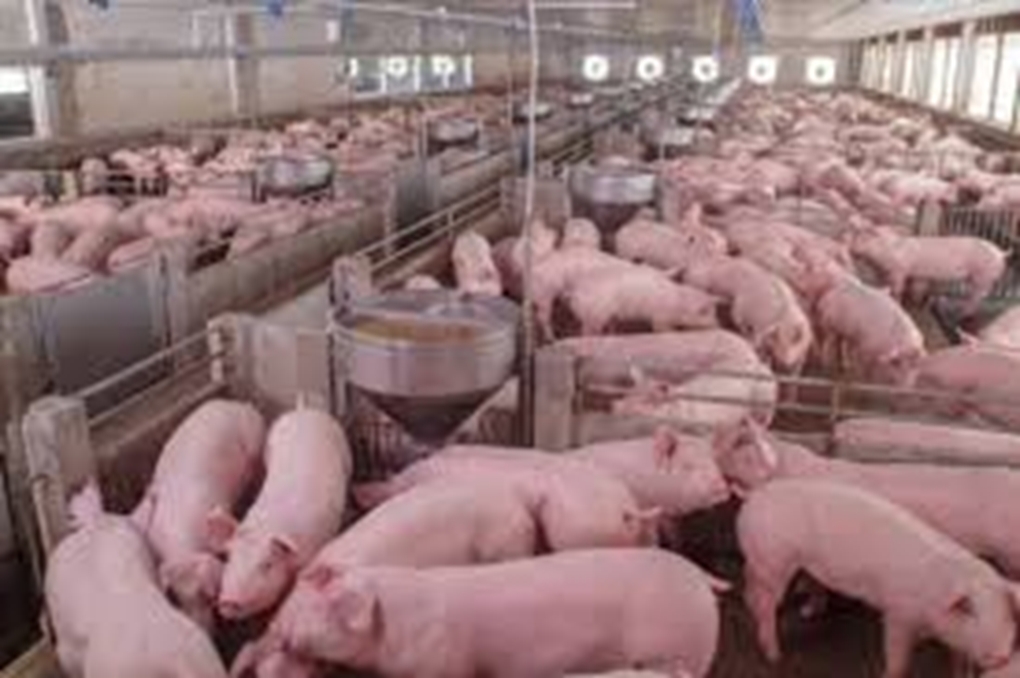
In a major move to protect rural livelihoods and to manage the endemic Classical Swine Fever Disease from pig farms and support pig farming in India, Department of Animal Husbandry and Dairying (DAHD) has placed India’s entire 90 lakh (9 million) domestic pig population under a strict passive surveillance programme.
The nationwide health monitoring system operates alongside aggressive, proactive. state-backed Classical Swine Fever (CSF) vaccination drives targeting high-density pig production zones in the Northeastern states. Concurrently, international epidemiological registries confirm zero active African Swine Fever (ASF) detections across commercial hubs in mainland India. This achievement cements India’s status as one of the few major pork-producing and consuming economies to keep its primary commercial supply lines free from ASF outbreaks.
Centrally Sponsored CSF Vaccination Drive
Classical Swine Fever remains a premier economic bottleneck for India’s pig farming sector, causing severe multi-million rupee losses through high piglet mortality, stunted growth, and sudden farm outbreaks.
To systematically eliminate the pathogen, veterinary directorates across the Northeast have launched coordinated, free-of-cost CSF vaccination sweeps under the Central Government’s Livestock Health and Disease Control Programme (LHDCP).
The financial architecture leverages a 90:10 funding pattern (Centre to State) specifically tailored for the Northeastern region. A prime example of this rollout is in Manipur, where the Department of Veterinary & Animal Husbandry officially launched its 3rd Round CSF Vaccination Programme. Running under strict Standard Operating Procedures (SOPs), the campaign deploys localized mobile veterinary teams to inoculate eligible herds across volatile border areas, safeguarding smallholder equity.
African Swine Fever Status: Mainland Commercial Corridors are Clear of ASF
While neighboring Southeast Asian territories and global pork production hubs grapple with endemic African Swine Fever (ASF) mutations, India’s mainland pork sector continues to maintain a highly resilient containment profile. Following strict regional containment protocols enacted during past localized wild-herd spillovers in shifting border zones (such as isolated clusters in Mizoram’s southern districts), mainland commercial channels remain entirely ASF-free.
This ASF-free status gives India a powerful competitive edge in the global livestock market:
-
The Clinical Distinction: Unlike CSF, which can be managed via prophylactic vaccines, there is no widely approved, 100% effective global vaccine for ASF. It features a mortality rate approaching almost 100%, meaning containment relies entirely on biosecurity and culling
-
The Border Shield: Because mainland India’s commercial production lines are free of the virus, its domestic pork supply chain is insulated from the mass liquidation events and sudden spikes in retail meat prices seen in other major global markets
India’s CSF and ASF Management Efforts
Disease Profiling Vector |
Classical Swine Fever (CSF) |
African Swine Fever (ASF) |
Implemented Passive Surveillance Action |
Pathogen Classification
|
Highly contagious Pestivirus. |
Deadly Asfarviridae Double-Stranded DNA Virus. |
Continuous biological monitoring of all 90 Lakh domestic heads. |
Vaccine Availability
|
Fully available (Lapinized C-Strain / Cell-Culture). |
No effective commercial vaccine available globally. |
Centrally funded 90:10 LHDCP campaigns active across the Northeast. |
Current India Footprint
|
Endemic pressure; actively suppressed via ongoing seasonal rounds. |
No active detections in mainland commercial operations. |
Strict ring-fencing and immediate culling protocols enforced at border zones. |
Economic Impact Profile
|
Causes chronic reproductive failures and high piglet mortality. |
Triggers systemic internal bleeding with up to 100% mortality. |
Protects smallholder income and ensures domestic pork price stability. |

