


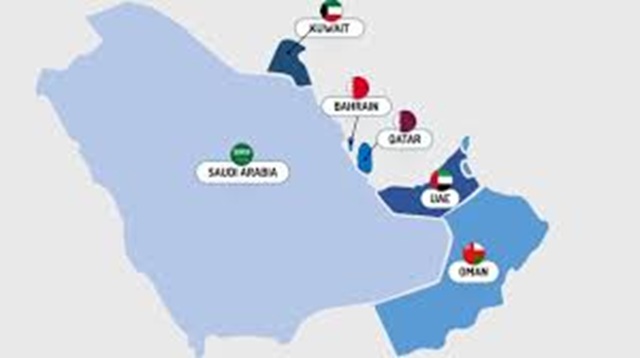
DUBAI / RIYADH — While massive government investments in food security and livestock biosecurity remain fundamental to the Gulf Cooperation Council (GCC) agricultural landscape, the private veterinary sector is experiencing a historic commercial transformation. Driven by rapid urbanization, high disposable income, and a structural shift in societal attitudes toward pet ownership, the companion animal healthcare corridor has emerged as the primary growth engine for the region’s veterinary services.
According to comprehensive sector data, the GCC Veterinary Hospitals and Clinics Market is projected to reach $1.43 billion by 2033, compounding at an aggressive 7.31% Compound Annual Growth Rate (CAGR).
Macroeconomic Indicators & Segment Breakdown
The transition from a livestock-centric market to a premium companion animal economy is heavily reflected in current revenue distributions:
Market Metric |
Current Base Valuation / Share |
2033 Projection |
Total Veterinary Hospital Market |
~$880 Million |
$1.43 Billion |
Companion Animal Revenue Share |
64.53% |
Expanding |
Private Veterinary Sector Dominance |
56.48% |
Expanding |
Core Medicine Segment Share |
47.28% |
Stable |
The Regional Growth Engines
-
Saudi Arabia (KSA): Stands as the largest overall market footprint. Driven by Vision 2030 expansions and urbanization, the pet population in the Kingdom has experienced a massive surge, skyrocketing from a historical baseline of 0.8 million to 2.4 million companion animals
-
United Arab Emirates (UAE): Represents the highest per-capita spending on premium premium diagnostics, specialized surgeries, and pet wellness, heavily insulated by an affluent expat demographic and highly supportive zoning laws for pet-friendly public infrastructure
Demographic Drivers: The Feline Dominance & The Canine Pivot
The rapid adoption of pets across the GCC reflects a broader phenomenon of “pet humanization,” where animals are treated as integrated members of the family nucleus rather than utility animals.
-
The Feline Hegemony: Due to traditional cultural alignments and the physical realities of high-density apartment living in metropolitan hubs like Dubai, Doha, and Riyadh, cats remain the dominant companion animal species by volume. This has created a highly lucrative market for long-term feline wellness, chronic metabolic disease management, and specialized feline geriatric care
-
The Canine Acceleration: Historically a minor segment, dog ownership is expanding rapidly across urban centers. Evolving social boundaries and the establishment of dedicated green spaces, pet cafes, and master-planned dog-friendly communities have driven a sharp uptick in large-breed ownership. This shift is directly accelerating private clinic revenues for canine-specific vaccines, advanced parasiticides, and behavioral consults
Premium Diagnostics Explosion
To cater to a client base demanding clinical care equivalent to human private medicine, GCC animal hospitals are moving away from outsourced testing and aggressively building out in-house, point-of-care diagnostic capabilities.
1. Molecular & In-House Diagnostics
Private providers are bypassing traditional reference laboratories by installing point-of-care PCR machines, high-throughput hematology analyzers, and rapid immunoassay kits. This allows veterinarians to deliver definitive diagnostic readouts within a single 30-minute consultation window, facilitating immediate therapeutic interventions for acute viral or bacterial conditions.
2. AI-Powered Radiography and Ultrasound
The integration of cloud-linked artificial intelligence diagnostic imaging has scaled up significantly. Advanced veterinary hospitals across the UAE and KSA are using computer-vision software to instantly screen X-rays and ultrasounds for early thoracic abnormalities, subtle spinal changes, and abdominal masses, vastly reducing human interpretive error.
3. Specialty Surgical Theatres
Reflecting the medicine segment’s dominant 47.28% market share, clinics are leveraging advanced diagnostics to feed directly into complex surgical pipelines. Private facilities are investing heavily in:
-
Advanced Orthopedics: Managing cruciate ligament repairs and complex fracture fixations for active urban canines.
-
Minimally Invasive Soft-Tissue Surgery: Utilizing laparoscopy and endoscopy to reduce patient recovery times and post-operative pain profiles.
-
Advanced Anesthesia Workstations: Incorporating high-spec patient monitoring telemetry to secure safer clinical outcomes for exotic animals and brachycephalic breeds.