


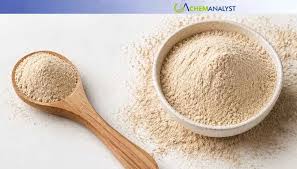
The global feed additives market entered the second quarter of 2026 in a markedly different position from the volatility experienced during 2022–2024. While geopolitical uncertainties and higher freight costs continue to influence global trade, amino acids and vitamins have largely transitioned into a more balanced supply-demand environment. The global feed additives market is estimated at US$41–46 billion in 2026, with amino acids remaining the largest additive category by value, driven primarily by poultry, swine and aquaculture nutrition.
Among all ingredients, DL-Methionine, L-Lysine HCl and Vitamin E continue to serve as reliable indicators of broader market direction because they represent three distinct but interconnected supply chains—synthetic amino acids, fermentation-derived amino acids and chemically synthesized vitamins.
Accounting for up to 70% of total livestock production overheads, feed costs—and by extension, micro-nutrition pricing—are heavily steering farm-gate margins.
This update breaks down the Q2 2026 market dynamics and provides a Q3 2026 outlook for three foundational baseline indicators: DL-Methionine, L-Lysine HCl, and Vitamin E.
DL-Methionine: Supply Stabilization & Strategic Tech Integration
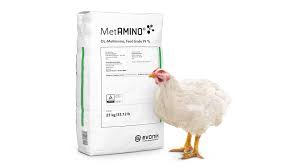
DL-Methionine remains a primary driver within poultry and aquaculture matrices, serving to optimize protein synthesis and systematically minimize environmental nitrogen waste.
Q2 2026 Review – The second quarter of 2026 brought a period of steady normalisation following previous supply bottlenecks. Major global production lines (predominantly across Europe and Asia) maintained uninterrupted operational capacities, balancing global supply with demand. In domestic markets like India, feed-grade 99% pure DL-Methionine traded reliably in a bands-range of ₹210 to ₹270/kg depending on freight volume and manufacturer packaging (e.g., standard Evonik MetAMINO or Adisseo lines). Following capacity expansions completed during 2025, global methionine supply has become considerably more balanced.
Major producers include:
-
Evonik
-
Adisseo
-
Novus
-
Sumitomo Chemical
-
CJ Bio
-
Bluestar Adisseo
Production facilities in Europe, China and Southeast Asia have generally operated at high utilisation rates throughout Q2
Q3 2026 Outlook
-
Trend: Supply is projected to remain highly liquid, but market trackers indicate an aggressive push toward rumen-protected encapsulated variants based on string demand
-
Driver: Driven by structural climate shifts and intensifying dairy efficiency directives across both Western economies and South Asia, feed mills are replacing standard DL-Methionine with rumen-protected / microencapsulated DL-Methionine. This shift enhances metabolic delivery while insulating buying networks from crude-oil-linked raw chemical volatility. Price action heading into late Q3 is expected to remain horizontal, barring unexpected seasonal freight disruptions.
L-Lysine HCl: High-Volume Demand & Price Standardisation
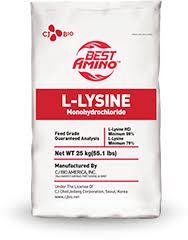
L-Lysine Hydrochloride acts as the bedrock amino acid for swine and poultry nutrition, directly anchoring structural muscle development and feed conversion ratios (FCR).
Q2 2026 Review – Q2 witnessed heavy, sustained buying volume. Despite high demand from commercial broiler integrations, L-Lysine HCl prices demonstrated soft, highly predictable pricelines. Large-volume wholesale pricing for standard 98.5% feed-grade powder hovered between ₹65 and ₹110/kg across primary animal feed hubs. This affordability was actively driven by expanded bio-fermentation processing outputs out of China, which comfortably absorbed domestic supply requests.
Q3 2026 Outlook
-
Trend: A slight tightening of spot availability is expected midway through Q3
-
Driver: Manufacturing overheads may face upward pressure. While contract buyers are insulated, spot-market purchases in late Q3 may see a marginal 5% to 8% upward revision
Vitamin E (50% Feed Grade): Cellular Protection Amid Rising Global Heat
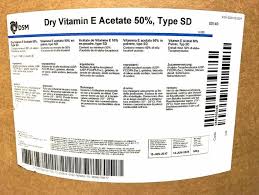
Vitamin E functions as a vital fat-soluble antioxidant, essential for cellular integrity, heat-stress management, immune response and maternal fertility across all major livestock groups.
Q2 2026 Review – Q2 prices for standard Vitamin E 50% Adsorbed Feed Grade powder traded in a wide corridor, averaging ₹600 to ₹1,100/kg based on purity levels, chemical carrier matrices and geographical delivery. High seasonal demand was a notable theme during the quarter, as intense summer temperature anomalies across the Northern Hemisphere forced poultry integrators and dairy cooperatives to aggressively up-dose feed mixes to buffer livestock against high mortality from heat stress.
Q3 2026 Outlook
-
Trend: Price consolidation with a strong potential for supply constraints
-
Drivers: The Vitamin E market remains highly sensitive to the consolidation of key chemical intermediate precursors (such as trimethylphenol) concentrated among a few global chemical giants. With ongoing regulatory changes and environmental audits scheduled for major manufacturing plants in late Q3, procurement managers are advised to lock in forward contracts rather than relying on volatile spot-market options.
Macro Takeaways for Q3 2026 Strategic Planning
Additive Category |
Q2 Price/Supply Trajectory |
Q3 Volatility Risk Profile |
Strategic Action Plan |
DL-Methionine |
Stable supply; horizontal pricing. |
Low — Redundant capacities active. |
Transition to advanced, rumen-protected lines for high-value dairy feeds. |
L-Lysine HCl |
Highly affordable; high output. |
Moderate — Linked to raw starch/carbohydrate shifts. |
Secure volume allocations early to head off late-quarter processing cost adjustments. |
Vitamin E (50%) |
Demand spiked by global heat waves. |
High — Precursor sensitivity & localized production audits. |
Maintain a 45-day safety buffer stock to insulate against abrupt chemical supply chain hiccups. |
Industry Outlook
Overall, the feed additives market appears considerably healthier than during the extreme volatility of 2021–2023.
Supply chains have normalized, inventories are generally adequate and demand remains underpinned by steady global livestock production. However, rising logistics costs, geopolitical uncertainty and energy prices continue to influence procurement strategies.
For Q3 2026:
-
DL-Methionine is expected to maintain a mildly firm tone, supported by steady poultry demand and input cost pressures.
-
L-Lysine HCl is likely to remain the most balanced of the three, with ample Chinese supply keeping prices relatively stable unless fermentation costs or export dynamics shift.
-
Vitamin E is expected to remain the most volatile category, with buyers closely monitoring production schedules, freight conditions and raw material availability.

