


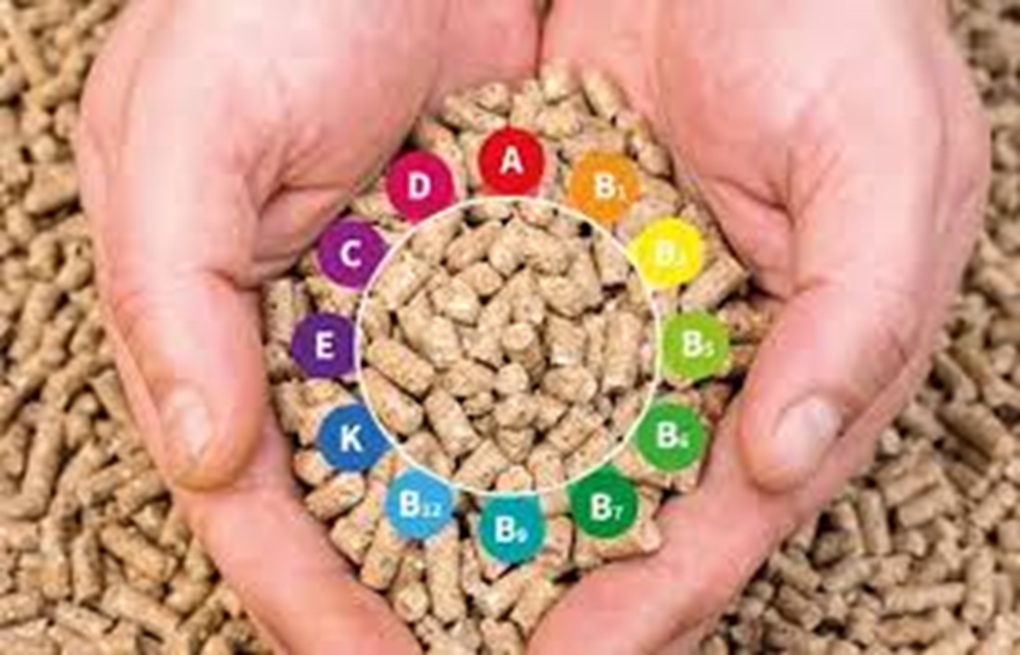
The global animal nutrition and feed additives sector is experiencing a significant structural shift as the explosive, supply-driven vitamin price surges of the past year enter a definitive leveling-off phase.
According to tracking data from industrial premix blenders and bulk ingredient brokers, bulk feed-grade vitamin prices remain highly elevated compared to historical baselines. However, standard spot-market values are flattening across Europe, Asia, and North America. This price plateau is primarily driven by massive, synchronized buy-side resistance, an optimization of inventory drawdown protocols by feed integrators, and an overall cooling in short-term purchasing volumes.
Market Dynamic: Demand Destruction Meets Production Reality
The pricing corrections occurring mid-2026 are a direct reaction to the severe market volatility of the prior fiscal year, when plant maintenance shutdowns, packaging component shortages, and shipping bottlenecks pushed micro-ingredients to multi-year highs.
Faced with shrinking livestock margins—particularly in the European swine sector and APAC poultry blocks—large-scale feed integrators have shifted their procurement strategies. Buyers are aggressively drawing down existing warehouse inventories and limiting new commitments to essential, hand-to-mouth spot orders. This collective drop in purchasing activity has successfully checked upstream manufacturer price hikes, forcing a stand-off in the market.
Feed-Grade Vitamin Spot Prices (May 2026)
The following data reflects current bulk transactional quotes for standard feed-grade single vitamins and stabilized blends across global distribution hubs, compared against their Q3 2025 peak periods:
Ingredient / Molecule |
Form / Specification |
Historical Peak (Q3 2025) |
Current Spot Price (Mid-2026) |
Trend Alignment |
Vitamin A 1000 |
Feed Grade (1.0M IU/g) |
$32.50 – $36.00 / kg |
$26.00 – $28.50 / kg |
Leveling after correction |
Vitamin E 50% |
Adsorbed Powder (500k mg/kg) |
$14.20 – $16.00 / kg |
$11.80 – $13.20 / kg |
Plateaued / Softening |
Vitamin D3 500 |
Feed Grade Powder |
$11.50 – $13.00 / kg |
$8.50 – $9.80 / kg |
Stable at lower tier |
Vitamin AD3 Blend |
High-Purity Retinol/Cholecalciferol |
₹2,350 – ₹4,000 / kg |
₹1,600 – ₹1,800 / kg |
Flat regional demand |
Biotin (Vitamin H) |
2% Feed Grade Formulation |
$9.50 – $11.00 / kg |
$8.20 – $8.80 / kg |
Fully stabilized |
Analysis by Core Molecule
Vitamin A: Supply Normalization vs. Procurement Inertia
Vitamin A remains highly sensitive to upstream chemical precursor availability. While major European and Chinese chemical synthesize lines have restored baseline capacity, spot prices have refused to slip back to pre-crisis levels due to high electricity and feedstock overheads. However, with major poultry integrators cutting inclusion rates to the lowest recommended veterinary baselines, a ceiling has formed over manufacturer quotes.
Vitamin E: The Cornerstone Indicator
As the highest-volume vitamin by weight in commercial livestock rations, Vitamin E is the true indicator of animal nutrition spend. Current quotes for Vitamin E 50% have successfully leveled out into a predictable band. European producers have attempted to hold firm on pricing, citing strict environmental compliance costs, but readily available supply options out of the East are keeping a hard lid on any further price increases.
Vitamin D3: Steady At Low Baselines
Unlike its volatile counterparts, Vitamin D3 has found a comfortable floor. With global sheep-lanolin processing lines operating at steady capacities and robust manufacturing volumes across major chemical clusters, supply constraints have vanished. It is currently trading inside a tight, flat channel with zero upward momentum.

