


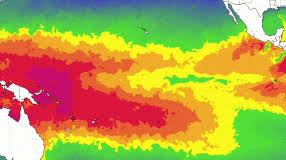
Animal Farmers across major producing countries are currently grappling with twin challenges of supply chain disruptions due to Iran war leading to high feed ingredient prices and sporadic outbreaks of HPAI as well as ASF across some markets. Third challenge looms in form of El Niño as it Develops Across the Pacific. World Economic Forum report last week urges governments to prepare and plan pre-emptively.
GENEVA — The World Economic Forum (WEF) has warned that the developing El Niño weather pattern could become one of the defining economic and agricultural risks of 2026, disrupting global commodity markets that are already under pressure from inflation, geopolitical tensions and supply-chain instability.
In a policy analysis published in early June, the WEF described the emerging El Niño as “more than a climate event”, cautioning that governments, agribusinesses and humanitarian organizations should prepare for what could become a major systemic shock with cascading effects on food production, commodity prices, logistics and global economic stability.
The warning follows updated forecasts from the World Meteorological Organization (WMO) indicating an 80% probability that El Niño conditions will develop between June and August 2026, with more than a 90% chance that the event will persist through at least November. Most forecasting models suggest the event will be moderate to strong, although its ultimate intensity remains uncertain.
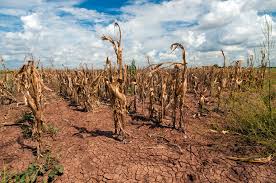
Climate Shock Meets Economic Uncertainty
Unlike previous El Niño episodes that occurred during relatively stable economic periods, the 2026 event is expected to unfold against a backdrop of elevated inflation, geopolitical conflict, volatile energy prices and tighter global food supplies.
The WEF argues that this combination substantially increases the risk that climate impacts will amplify existing economic vulnerabilities rather than act as isolated weather events.
Why 2026 Is Different
Existing Global Risk |
Potential El Niño Impact |
|---|---|
Food inflation |
Further increases in staple food prices |
High fertilizer costs |
Reduced crop productivity |
Energy market volatility |
Higher irrigation and production costs |
Supply-chain disruptions |
Logistics bottlenecks |
Climate change |
Stronger and more frequent extreme weather |
According to the WEF, El Niño should be viewed as a cross-sector economic risk affecting agriculture, energy, transportation, insurance, public health and financial markets simultaneously.
Commodity Markets Face Fresh Volatility
Agricultural commodities are expected to be among the sectors most exposed. Historically, El Niño alters rainfall and temperature patterns across major producing regions, creating drought in some areas while generating excessive rainfall and flooding in others.
The WEF highlights that the event could disrupt production of several globally traded commodities, including:
-
Wheat
-
Rice
-
Corn (Maize)
-
Soybeans
-
Palm oil
-
Cocoa
-
Coffee
-
Sugar
Rice has emerged as a particular concern because it is both a globally traded commodity and the primary staple food for billions of people. Reduced planting linked to higher production costs and weather disruptions could tighten supplies further.
Regional Agricultural Impacts
Asia
Many parts of South and Southeast Asia could experience:
-
Weaker monsoon rainfall
-
Heatwaves
-
Drought
-
Reduced rice production
-
Water shortages
India is among the countries being closely monitored because agricultural production remains highly dependent on seasonal rainfall.
Australia
Reduced rainfall may affect:
-
Wheat production
-
Barley
-
Canola
-
Livestock grazing
Industry forecasts cited in recent analyses project Australian wheat production could decline by around 19%, with exports falling by approximately 2.5 million tonnes if dry conditions persist.
South America
The picture is more mixed. While parts of Brazil could experience weather-related disruptions, Argentina may benefit from increased rainfall during its growing season, potentially improving yields for:
-
Soybeans
-
Corn
-
Wheat
Meteorologists note that the 2015–16 El Niño helped deliver one of Argentina’s strongest soybean harvests on record, illustrating that impacts vary considerably by region.
Food Prices Could Rise Further
Economists warn that El Niño may add another inflationary impulse to global food markets. The combination of:
-
Lower crop yields
-
Higher production costs
-
Fertilizer shortages
-
Logistics disruptions
could translate into higher prices for cereals, vegetable oils and livestock feed ingredients.
Recent economic analyses cited by the World Bank suggest strong El Niño events have historically contributed to meaningful increases in global food prices, with some projections indicating food inflation could rise by as much as 9% at peak if weather disruptions coincide with ongoing geopolitical pressures.
Implications for Livestock and Animal Health
The livestock sector is also expected to feel the effects through feed markets. Potential consequences include:
Poultry
-
Higher corn and soybean meal costs
-
Increased feed conversion pressure
-
Margin compression
Dairy
-
Heat stress reducing milk yields
-
Increased water demand
-
Lower forage quality
Beef
-
Pasture deterioration
-
Reduced weight gain
-
Higher supplemental feeding costs
Swine
-
Rising feed expenses
-
Heat stress affecting reproductive performance
Feed accounts for approximately 60–70% of production costs in most intensive livestock systems, making climate-driven grain price increases particularly significant.
Supply Chains Under Pressure
Beyond production, El Niño is expected to affect transportation and trade. Potential disruptions include:
-
Low river levels restricting inland shipping
-
Flood damage to roads and ports
-
Reduced labor productivity during heatwaves
-
Delays in agricultural exports
These logistical challenges could compound existing supply-chain constraints and increase costs throughout the food system.
Businesses Urged to Prepare
The WEF argues that preparation rather than reaction should now be the priority. Recommended actions include:
-
Strengthening climate-risk assessments
-
Diversifying sourcing regions
-
Increasing inventory resilience
-
Investing in weather forecasting and early-warning systems
-
Building contingency plans for supply-chain interruptions

