


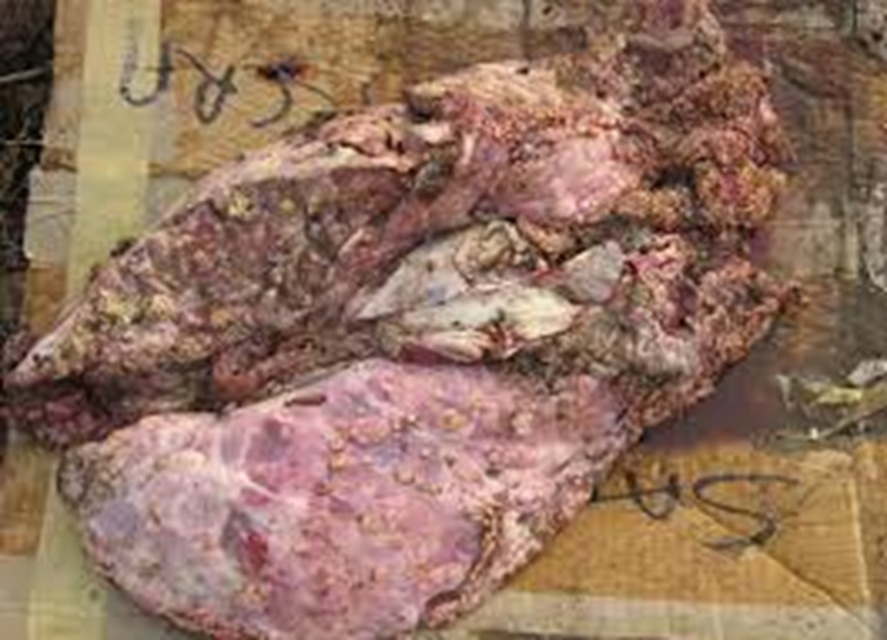
In a major development for the global livestock and dairy industries, a coalition of UK veterinary research laboratories announced a diagnostic breakthrough on May 15, 2026. The advancement introduces a highly accurate testing framework for Bovine Tuberculosis (bTB), a chronic respiratory disease caused by Mycobacterium bovis that has plagued livestock sectors for generations.
The innovative diagnostic approach resolves a critical vulnerability in global bTB eradication strategies: the high rate of false-positive results and the inability to differentiate between infected and vaccinated animals. For dairy and beef farmers, this breakthrough promises to substantially reduce the frequency of devastating “containment slaughters”—the compulsory culling of entire healthy herds due to inaccurate or unvalidated screening results.
The Core Crisis: The High Cost of Diagnostic Inaccuracy
For decades, the global gold standard for bTB surveillance has relied on the Single Intradermal Comparative Cervical Tuberculin (SICCT) skin test. While the skin test has played a vital role in national eradication efforts, its statistical realities present significant challenges for farmers:
-
The False-Negative Trap (Sensitivity): The traditional skin test has an average sensitivity of roughly 80%. This means it misses approximately 1 in 5 infected cattle, allowing hidden reservoirs of M. bovis to remain in the herd and trigger recurring breakdowns
-
The False-Positive Trauma (Specificity): In low-prevalence zones, environmental exposure to harmless soil mycobacteria can cause uninfected cows to test positive. Under strict statutory protocols, a single positive result forces immediate quarantine, movement restrictions, and compulsory slaughter
The 2026 Breakthrough: Advanced Antigen Targeting
The newly announced testing protocol integrates advanced Differentiate Infected from Vaccinated Animals (DIVA) capabilities with high-specificity biomarker tracking.
Historically, deploying the Bacillus Calmette-Guérin (BCG) vaccine in cattle was legally prohibited in the UK, EU, and US because vaccinated animals would trigger a positive result on standard skin tests. The new diagnostic framework utilizes specific M. bovis antigens (such as MPB70 and MPB83) that are absent in the BCG vaccine and common environmental bacteria.
By measuring the precise cell-mediated and humoral immune responses against these specific proteins, the test achieves a mathematical specificity threshold exceeding 99.85%. This precision ensures that fewer than 15 out of every 10,000 uninfected animals will return a false-positive result, meeting the rigorous standards required to preserve a herd’s Officially Tuberculosis-Free (OTF) status.
Statistical Landscape: The Scale of bTB Impact (Data as of May 2026)
The financial and operational toll of bTB containment underscores the urgency of this diagnostic advancement. Regulatory data from the Department for Environment, Food and Rural Affairs (Defra) and regional veterinary registries highlights the ongoing scope of the disease:
| Region / Metric | Current Status (Mid-2026 Data) | Primary Policy Focus |
| England Herd Prevalence | 3.5% of herds remain restricted | Expansion of compulsory Interferon-Gamma blood testing to the “Edge Area” starting July 1, 2026. |
| Wales Animal Movement | Enhanced “Lifetime Restrictions” enforced | Implementation of strict movement controls on resolved Inconclusive Reactors (IRs) to eliminate hidden reservoirs. |
| Ireland Eradication Budget | €157 Million allocated for 2026 | Over 44% surge in cases since 2023, driving mandatory pre-movement testing for all dairy breeding stock. |
| Global Industry Loss | Over 20% of livestock production lost | WOAH reports that underfunded national veterinary infrastructure leaves food supply chains highly vulnerable. |
Operational Relief for Dairy and Beef Producers
The commercial implications of this breakthrough are profound. Under standard disease management protocols, when a farm loses its OTF status during a “breakdown,” the economic fallout is swift:
-
Immediate Quarantine: No cattle may enter or leave the holding, freezing all farm revenue from live animal sales
-
Compulsory Depopulation: Reacting animals, alongside “Direct Contacts” (animals deemed exposed), are compulsorily slaughtered. While government compensation is paid, it rarely covers the genetic value of lost breeding lines or the subsequent drop in milk quotas
-
Chronic Reinfection: Because traditional tests miss early-stage or anergic (late-stage, non-responsive) carriers, many herds suffer repeat breakdowns within 18 months
The newly developed testing framework allows private and state veterinarians to deploy highly accurate, multi-dosage blood and milk assays to clear healthy animals rapidly. This minimizes the duration of farm lockdowns and prevents the unnecessary slaughter of valuable dairy stock.

