


Zoetis, world’s largest Animal Heallth Company by revenue recently reported flattish revenues in Q1′ 2026 over same period, last year and “placed the blame” on declining patient volumes in vet clinics and emerging price sensitivity of pet parents, as key reasons for its unexpected underperformance. Zoetis stock since, is down 40% on account of the potential performance pain which is expected to persist in 2026.
The underperformance of Q1′ 2026 for Zoetis may actually not be a one off event but a trend which is expected to persist in foreseeable future. A potentially large and worrisome story for Zoetis shareholders going to play out is in Dermatology segment which accounted for USD 1.5 Billion+ for CY 2025 globally with Zoetis having more than 90% of the market to itself.
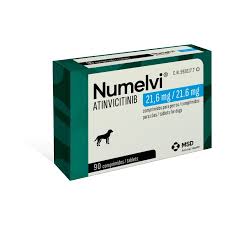
For over a decade, first-generation options like oclacitinib (Apoquel®, Zoetis) held a virtual monopoly over the canine allergic dermatitis market—a segment that accounts for up to 20% of all general veterinary consultations. Numelvi directly disrupts this landscape by exploiting a dramatic evolutionary leap in molecular selectivity, completely changing the long-term safety and dosing parameters for chronic skin allergies in dogs.
Zoetis has 2 key brands in Dermatology, which for over a decade have had virtual solo run – Apoquel (oclacitinib – 1st Gen JAK1 Inhibitor) and Cytopoint (AH Industry’s first approved MAb). While MAb market remains immune to competition so far, its JAK Inhibitors’ market which has witnessed entry of 2 new competitors in Zenrelia from Elanco and Numelvi from MSD / Merck Animal Health.
While Zenrelia is a relatively lower priced and is very similar to Apoquel as 1st Gen JAK Inhibitor, its Numelvi from MSD/Merck AH which is emerging as a first choice of Vets and Pet Parents alike.
The veterinary dermatology sector is undergoing a massive paradigm shift. Following its initial European Commission authorization in July 2025 and its subsequent U.S. Food and Drug Administration (FDA) approval on February 25, 2026, MSD Animal Health’s Numelvi™ (atinvicitinib) has officially established itself as the first and only second-generation JAK inhibitor in veterinary medicine.
The Science of Selectivity: Why “Second-Generation” Matters
To understand Numelvi’s unique benefits, it is essential to look at how first-generation versus second-generation JAK inhibitors operate within the canine cellular pathway. The Janus kinase family consists of four distinct enzymes: JAK1, JAK2, JAK3, and TYK2.
- The Problem with First-Generation Drugs: Older molecules such as Apoquel (oclacitinib) function as broad or modest inhibitors. While they block JAK1 (which successfully halts the itch-inducing cytokine Interleukin-31), they inadvertently bleed into inhibiting JAK2 and JAK3. These latter enzymes are responsible for vital homeostatic functions, such as erythropoiesis (red blood cell production) and immune system surveillance
- The Second-Generation Breakthrough: Atinvicitinib (Numelvi) is engineered to be at least 10 times more selective for JAK1 over the other JAK enzymes in in vitro assays. By precisely targeting the specific pathway driving the allergic itch while leaving the blood-producing and core immune-defense pathways completely unbothered, Numelvi achieves an unprecedented balance of efficacy and internal safety
Unique Clinical Benefits & Advantages
Numelvi introduces several critical operational and medical advantages that distinguish it from existing therapies:
- True Once-Daily Dosing from Day 1 – First-generation JAK inhibitors typically require a two-week “loading dose” of twice-daily administration to rapidly suppress the itch pathway before stepping down to once-daily maintenance. This dual-phase dosing is mandatory to keep plasma concentrations below the thresholds where JAK2 hematopoiesis interference occurs. Because of Numelvi’s hyper-selectivity, it requires no loading phase. It is administered seamlessly as a once-daily oral tablet from Day 1, drastically improving owner compliance and eliminating dosing confusion.
- Expanded Pediatric Safety Window (Down to 6 Months) Historically, veterinarians have been strictly barred from prescribing JAK inhibitors to puppies under 12 months of age due to risks of systemic immune suppression or bone marrow issues. Numelvi is the only JAK inhibitor approved for use in puppies as young as 6 months of age. This unlocks early-intervention options for young dogs showing rapid-onset atopic signs
- Zero Interference with Vaccine Serological Responses – In dedicated 84-day margin-of-safety vaccine response trials, puppies administered up to 3X the maximum labeled dose of Numelvi successfully mounted robust, uncompromised protective antibody responses to core modified-live and killed vaccines (including Canine Distemper, Adenovirus, Parvovirus, and Rabies). Consequently, there is no requirement to pause allergy therapy when a dog is due for routine vaccinations.
- Rapid Speed of Action – Pivotal dynamic testing shows that Numelvi matches or exceeds the rapid relief of traditional molecules, with a significant reduction in pruritus materializing within 2 to 4 hours of the very first dose. Field studies show that over 82% of treated dogs achieve a highly significant, clinically meaningful reduction in itch severity within the first 7 days of treatment
Commercial Launch Status & Sales Traction
Regional Rollout Sequencing
-
Europe: Launched commercially in Q3 2025 across core EU nations, capturing early market share among veterinary dermatologists
-
United States: Following its February 2026 FDA clearance, commercial supply officially hit major veterinary clinics and national distribution networks (via platforms like Vetcove) in Spring 2026
Sales Outlook & Competitive Landscape (May 2026)
The global canine dermatology market is valued at well over $1.5 Billion USD annually. Numelvi is entering a highly competitive landscape alongside Elanco’s recently launched Zenrelia™ (ilunocitinib, a broad-affinity JAK inhibitor approved in late 2024) and the entrenched incumbent, Zoetis’s Apoquel.
Early market data indicates that Numelvi’s sales trajectory is performing exceptionally well in premium veterinary accounts. While exact revenue numbers remain proprietary ahead of Merck’s upcoming financial filings, distributor adoption indexes show that over 40% of major corporate and independent US veterinary practices have already added Numelvi to their active hospital formularies within the first 90 days of its US commercial launch.
Impact on Zoetis
Zoetis’ U.S. segment bore the brunt of the competitive pressure, with total companion animal product sales dropping 11% led primarily by significant drop in sales volumes of Apoquel, as veterinary dermatologists stepped patients up to safer, selective alternatives as in Numelvi or dropped down to value-driven generics.
The remaining 3 quarters of 2026 will determine the leader in JAK Inhibitors’ segment and looking at previous quarters numbers, pain seems to persist for Zoetis. Additional marketing spends to defend its market share will only erode the profitability and further dent its stock performance.

