


Reference: BMJ 2026; 393:e180319 | Published: 26 May 2026
Data Source: UK Health Security Agency (UKHSA) Annual Surveillance Report
Laboratory-confirmed acute cases of Lyme disease in England saw a significant statistical increase of more than 20% over the trailing 12 months. According to annual surveillance data released by the UK Health Security Agency (UKHSA), confirmed infections rose from 959 cases in 2024 to 1,168 cases in 2025.
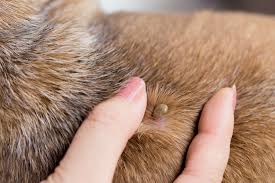
While the UKHSA notes that inter-annual transmission rates have fluctuated quite widely over the past decade, the 2025 spike marks a return to the elevated baselines recorded in 2023, where 1,151 cases were formally validated. Lyme disease—caused by the spirochete bacterium Borrelia burgdorferi and transmitted via the bite of infected Ixodes ricinus ticks—maintains its status as the most prevalent locally acquired vector-borne infection across England.
Ecological Drivers & Seasonal Distribution
Public health entomologists point to an expanding geographical distribution of ticks across the United Kingdom. However, local tick density and infection prevalence are highly dynamic, shifting year-to-year based on a complex matrix of ecological variables:
-
Climate Trends & Weather Patterns: Milder winters and variable humidity levels extend tick questing windows.
-
Habitat Alteration & Urbanization: The encroachment of suburban green spaces alters native microclimates.
-
Shifting Host Populations: Fluctuations in populations of small mammals and deer alter the primary blood-meal vectors required for the tick life cycle.
Transmission Timeline
-
Vector Peak (June): While tick bites occur year-round, they strictly follow a seasonal curve that rises in late spring and peaks sharply in June.
-
Clinical Peak (Late Summer): Because the incubation and diagnostic window delays presentation, reports of acute clinical Lyme disease follow a staggered trajectory, peaking globally during late summer.
Clinical Manifestations & Symptoms
Early clinical identification remains paramount, as localized infection yields a highly favorable prognosis if caught early. Symptoms typically develop 1 to 4 weeks post-exposure, though the full clinical spectrum can manifest anywhere between 3 and 30 days.
-
Erythema Migrans (EM): The pathognomonic sign is a distinctive circular red rash expanding from the bite locus. However, the UKHSA warns clinicians that this rash is not universally present in every patient.
-
Early Systemic Indicators: Absent or alongside a rash, patients routinely present with a sudden flu-like illness, intense headaches, fatigue, and muscle aches.
-
Neurological Dissemination: Left unmanaged, the bacteria migrate into deeper networks, triggering facial nerve palsy (paralysis of the facial muscles) and severe radicular nerve pains.
Emerging Co-Infections and Secondary Pathogens
The UKHSA surveillance brief emphasized that ticks and mosquitoes are moving past their historical status as localized nuisances, acting instead as early warning indicators for shifting biosecurity threats.
1. Tickborne Encephalitis (TBE)
The 2025 surveillance pool confirmed two unrelated, probable cases of locally acquired TBE in England. Crucially, neither patient possessed a history of international travel, confirming active endemic circulation. Since TBE was first identified in UK ticks in 2019, the national total of locally acquired human infections has risen to six.
2. Escalating Mosquito-Borne Risks
The report also highlighted changing environmental baselines for mosquito vectors across the UK:
-
West Nile Virus (WNV): First identified in UK mosquito samples in 2023, WNV poses a dual clinical threat—ranging from mild febrile illness to severe, potentially fatal central nervous system degradation.
-
Usutu Virus: This virus has maintained active circulation within Southeast England for six years. While human cases remain at zero and public risk is categorized as very low, the virus requires robust ongoing surveillance.
Public Health & Biosecurity Directives
“The overall risk to the public from vector-borne diseases in England remains low, but factors such as climate change, urbanization, and the globalization of trade and travel are actively shifting the baseline picture. It is vital to maintain robust surveillance to protect national biosecurity” — Lea Berrang Ford, Deputy Director of the Centre for Climate and Health Security, UKHSA

