


Mumbai, June 2026 — In view of rising numbers of “tick fever cases” reported to veterinary clinics and hospitals in India; metros recently – Veterinarians across India’s major cities are urging pet owners to urgently strengthen ectoparasite protection measures ahead of the monsoon season, warning that rising temperatures, increased humidity and early seasonal rains are creating ideal conditions for explosive growth in ticks, fleas and mite populations.
Animal-health experts say the weeks immediately preceding the monsoon represent one of the most critical periods for parasite prevention, particularly in densely populated urban cities where companion-animal ownership continues to rise rapidly.
“Many pet owners wait until they see ticks on their dogs before taking action. By then, the infestation has often already spread within the household environment,” said a Mumbai-based veterinarian. “Prevention before the monsoon arrives is far more effective than treatment after parasites become established.”
Seasonal Conditions Drive Parasite Proliferation
India’s pre-monsoon and monsoon periods provide ideal environmental conditions for growth of ectoparasites.
Warm temperatures combined with increasing humidity accelerate parasite life cycles, enabling ticks and fleas to reproduce more rapidly. Urban parks, community dog-walking areas, residential gardens and pet boarding facilities become important transmission hotspots during this period.
Veterinarians report that parasite burdens often begin rising several weeks before the onset of heavy rainfall, making early intervention essential. Common ectoparasites affecting companion animals include:
-
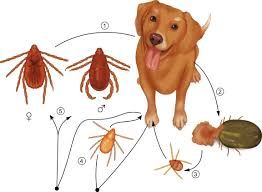
Brown dog ticks (Rhipicephalus sanguineus)
-
Fleas
-
Ear mites
-
Mange mites
-
Lice
Among these, ticks remain the most significant veterinary concern due to their ability to transmit potentially serious infectious diseases.
Tick-Borne Diseases Remain a Major Threat
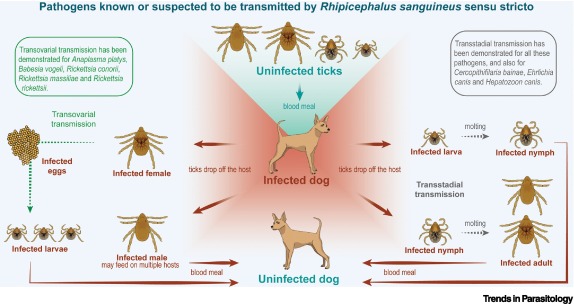
Beyond causing irritation and skin damage, ticks act as vectors for several potentially life-threatening canine diseases. Veterinary clinics across India routinely diagnose:
-
Canine ehrlichiosis
-
Babesiosis
-
Anaplasmosis
-
Hepatozoonosis
“Many pet owners underestimate the medical significance of ticks,” said a veterinary parasitology specialist. “The tick itself is often less dangerous than the pathogens it carries.”
Urban Pet Populations Increase Exposure Risk
India’s pet population has expanded significantly over the past decade, particularly in metropolitan areas such as Mumbai, Delhi, Bengaluru, Hyderabad, Pune and Chennai. Industry estimates suggest the country’s pet-dog population now exceeds 30 million animals, while the broader pet-care market is growing at double-digit rates annually. This growth has resulted in:
-
Increased use of dog parks
-
Greater pet socialization
-
Expansion of grooming facilities
-
More boarding and daycare services
-
Increased pet travel
While these developments enhance pet welfare and owner convenience, they also increase opportunities for parasite transmission.
Veterinary experts note that even indoor pets are not completely protected. Ticks and fleas can enter homes through clothing, footwear, household visitors or other animals.
Prevention More Effective Than Treatment
Animal-health professionals emphasize that preventive protection remains the most effective strategy. Available preventive options in India include:
Oral Parasiticides
Monthly or extended-duration chewable products have gained popularity because of their convenience and broad-spectrum efficacy against ticks and fleas.
Spot-On Treatments
Topical formulations continue to be widely used and remain effective when applied correctly and at recommended intervals.
Tick Collars
Long-acting collars provide continuous protection for several months and are particularly useful in high-risk environments.
Growing Commercial Opportunity for Animal Health Companies
The seasonal rise in ectoparasite risk is also driving strong growth in India’s companion-animal healthcare market. Ectoparasiticides remain among the largest and fastest-growing categories within the pet-health segment. Leading veterinary companies continue expanding portfolios focused on:
-
Tick control
-
Flea control
-
Combination parasite protection
-
Long-duration formulations
-
Improved owner compliance

