


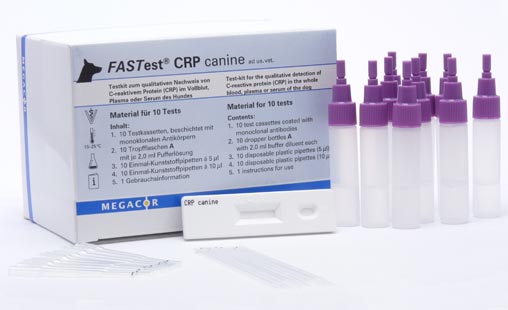
In a positive, scientific change for companion animal healthcare in India, major corporate veterinary hospitals across Delhi, Mumbai and Bengaluru have announced the immediate implementation of mandatory point-of-care (POC) diagnostic protocols.
This clinical directive requires veterinary practitioners to mathematically validate the presence of bacterial pathogens using rapid biomarker assays before prescribing any critical human antibiotics in companion animals such as dogs and cats. The objective is to cut down indiscriminate usage of antibiotics and help arrest growing cases of anti-microbial resistances.
The coordinated rollout comes in direct response to newly updated clinical guidelines issued by the National Centre for Disease Control (NCDC). The federal directives aim to dismantle long-standing prescribing habits—the practice of treating animals with broad-spectrum antibiotics based on a visual clinical assessment alone—and mitigate the escalating threat of antimicrobial resistance (AMR).
Dismantling Empirical Over-Prescription: Shift in Clinical Practices
Historically, small-animal vets in high-density Indian urban centres faced severe time constraints and limited client compliances regarding traditional laboratory culture and sensitivity (C&S) testing, which can take 48 to 72 hours. This bottleneck frequently resulted in an immediate, empirical prescription of critical third- and fourth-generation cephalosporins, fluoroquinolones, and macrolide antibiotics.
The NCDC’s updated framework directly challenges this reliance, establishing a strict boundary between exploratory diagnostics and therapeutics usage.
Under the new rules, if a canine or feline patient presents with symptoms of a respiratory, urinary or dermatological infection, the clinician cannot dispense high-tier antimicrobials without an objective diagnostic assessment. Instead, clinics are shifting to utilize modern, bench-top analyzer systems that deliver qualitative and quantitative results within 10 to 15 minutes.
Diagnostics: Biomarker Tests
The mandatory protocols rely heavily on two primary physiological indicators that allow veterinarians to rapidly differentiate between viral, inflammatory and true bacterial infections:
-
Canine C-Reactive Protein (cCRP) & Feline Serum Amyloid A (SAA): These acute-phase proteins spike rapidly in circulation within hours of a systemic inflammatory stimulus. Because bacterial infections trigger a profoundly steeper elevation in cCRP and SAA levels compared to uncomplicated viral infections, these assays give clinicians an immediate green or red light for antibiotic utility
-
Procalcitonin (PCT) Overlays: Used in tandem with physical symptom checking, advanced PCT assays assist in evaluating the severity of localized or systemic bacterial infections (sepsis), providing a mathematical trend-line that helps determine the exact duration of a required antibiotic course.
Safeguarding Human and Animal Health: AMR Context
The structural intervention by Indian corporate veterinary hospitals represents a significant leap forward for the global One Health initiative, which treats human, animals and environmental health as a single interconnected system.
Therapeutic Tier |
Historical Empirical Use |
New Restriction Status |
Amoxicillin-Clavulanate |
First-line default for respiratory/skin issues |
Restricted to documented biomarker-positive cases. |
Fluoroquinolones (Enrofloxacin) |
Frequent empirical choice for urinary tract infections |
Secondary line; requires positive POC tracking or failed first-line. |
Highest Priority Critically Important Antimicrobials (HPCIAs) |
Occasional off-label utility for severe chronic cases |
Strictly Embargoed; requires confirmed culture or senior medical board authorization. |
“Empirical over-prescription in companion animal medicine has inadvertently turned urban domestic pets into potential reservoirs for multi-drug resistant (MDR) bacterial strains like MRSA and ESBL-producing E. coli,” stated a senior veterinary advisor involved in the corporate rollout. “By enforcing an analytical, data-driven diagnostic buffer at the point of care, we are not just preserving the efficacy of our veterinary pharmaceuticals—we are actively insulating human households from sharing untreatable, cross-species pathogens.”

