


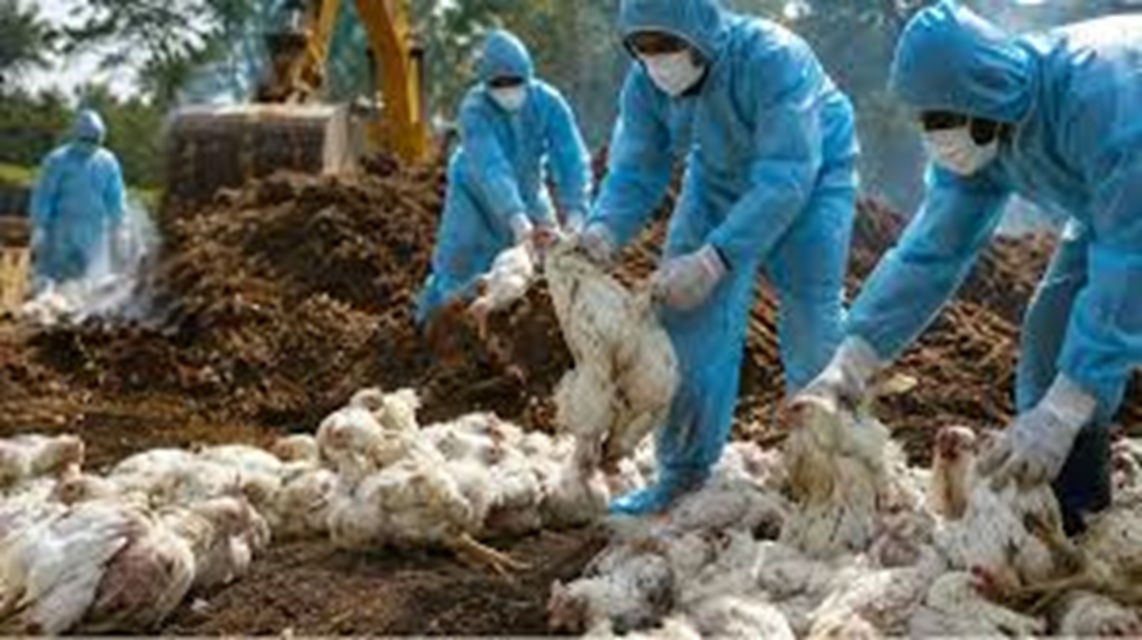
Animal health officials and regional veterinary research bodies in Northeast India are on high alert following a severe, highly contagious respiratory disease tearing through poultry populations across the Manipur Valley.
Field reports gathered between May 15 and May 16, 2026, confirm rapidly rising mortality rates across multiple valley districts, specifically centering on Imphal East and Imphal West. Local veterinary authorities are under intense pressure to isolate the underlying pathogen and determine whether the region is facing an unmapped multi-pathogen complex or a parallel strain of Highly Pathogenic Avian Influenza (H5N1).
Clinical Profile: Symptoms and Targeted Breeds
The unidentified disease is presenting with extreme virulence, affecting a wide cross-section of avian categories. Field veterinarians report that the syndrome does not discriminate between intensive commercial setups and backyard poultry systems.
Highly Susceptible Populations:
-
Commercial Stocks: Broilers and commercial layers.
-
Dual-Purpose & Indigenous Breeds: Kuroilers and localized country chicken variants.
Observed Clinical Symptoms:
The disease exhibits a rapid onset, typically progressing from initial signs to death within 24 to 48 hours. The clinical picture is heavily dominated by acute upper respiratory distress:
-
Severe Periorbital Swelling: Pronounced swelling of the head, combs, and wattles, often accompanied by cyanosis (purplish discoloration).
-
Profuse Oculonasal Discharge: Thick, watery-to-mucoid discharge from the nostrils and eyes.
-
Acute Respiratory Distress: Severe dyspnea (gasping), open-mouth breathing, and rales.
-
Neurological Signs & Rapid Mortality: Sudden lethargy followed by a near-simultaneous collapse of birds within infected pens.
The Economic Fallout: Distress Sales Gripping Local Markets
The sudden onslaught of the disease has triggered widespread panic among smallholders and commercial poultry farmers across the valley districts. Fearing total flock depletion, many producers are turning to immediate distress sales to salvage baseline operational capital.
Market Disruptions:
-
Steep Price Collapses: Fully grown, heavy birds weighing 3 to 4 kg—which typically command premium market prices—are being sold off at drastically discounted rates as low as ₹200 per head.
-
Biosecurity Compromises: Poultry economists warn that these panicked distress sales pose a significant epidemiological risk. Moving potentially infected birds rapidly through local transit networks to wet markets could inadvertently accelerate the spread of the virus to unaffected blocks across Manipur.
Diagnostic Mobilization: The Race to Identify the Pathogen
The ICAR Research Complex for NEH Region (Manipur Centre) and the State Directorate of Animal Husbandry are mobilizing emergency field diagnostic teams to contain the outbreak.
The primary clinical objective is to rule out a parallel expansion of the H5N1 D1.1 variant currently causing massive poultry disruptions in western India (Maharashtra). However, field researchers note that the clinical presentation also heavily mimics several other high-impact avian pathogens:
-
Newcastle Disease (Ranikhet Disease): Velogenic viscerotropic strains can cause identical rapid mortality and facial edema.
-
Infectious Coryza: Characterized by severe facial swelling and nasal discharge, though typically associated with lower mortality rates unless complicated by secondary bacterial infections.
-
Avian Influenza (H5/H7/H9 Strains): The combination of rapid mortality and systemic respiratory failure remains highly indicative of an orthomyxovirus.
Tissue samples, including tracheal and cloacal swabs, have been collected from the epicenters in Imphal East and West. These are being processed via Real-Time PCR testing locally, with duplicate samples being rushed to the National Institute of High Security Animal Diseases (NIHSAD) in Bhopal for definitive viral sequencing.

