


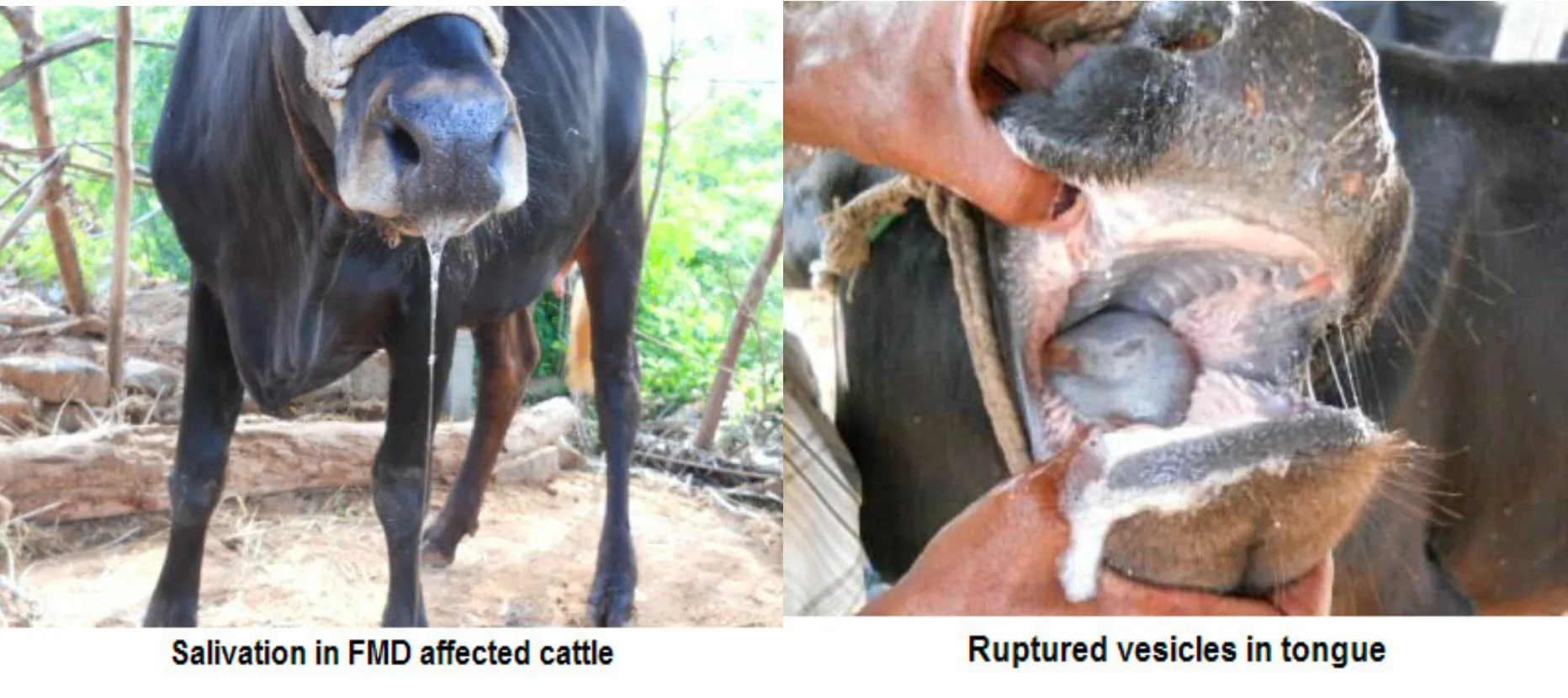
In a critical wake-up call for the country’s agricultural sector, a leading animal health authority has warned that India must pivot from a reactive to a highly proactive biosecurity model to intercept an encroaching transboundary threat. Writing in the Daily Excelsior, Prof. B.N. Tripathi cautioned that Foot-and-Mouth Disease (FMD) serotype SAT-1 is “highly likely to soon reach India’s borders”.
in an opinion article published in Daily Excelsior, Prof. B.N. Tripathi, Vice Chancellor of Sher-e-Kashmir University of Agricultural Sciences and Technology (SKUAST)-Jammu and former Deputy Director General (Animal Sciences) at the Indian Council of Agricultural Research (ICAR), warned that the continued geographical spread of SAT-1 makes its arrival at India’s borders increasingly likely.
The warning comes as the South African Territories-1 (SAT-1) serotype—historically restricted to sub-Saharan Africa—rapidly expands its geographical footprint. The strain has breached traditional ecological boundaries, sweeping through West Asia, parts of Europe, and most recently logging unprecedented incursions into China and Mongolia. This aggressive intercontinental shift has already triggered global alerts from the World Organisation for Animal Health (WOAH).
Failure of “Post-Entry” Strategies
India’s current domestic defense mechanism relies heavily on a post-entry strategy dictated by localized diagnostic testing and active surveillance. Prof. Tripathi argued that this methodology has repeatedly failed to contain highly contagious, exotic pathogens once they cross national borders.
“Our current policy of relying on effective surveillance through diagnostic testing alone has failed to contain several recent outbreaks, including African Swine Fever (ASF) and Lumpy Skin Disease (LSD),” Tripathi stated, emphasizing that a vast livestock-dependent economy like India cannot afford to allow another transboundary pathogen to establish endemic status.
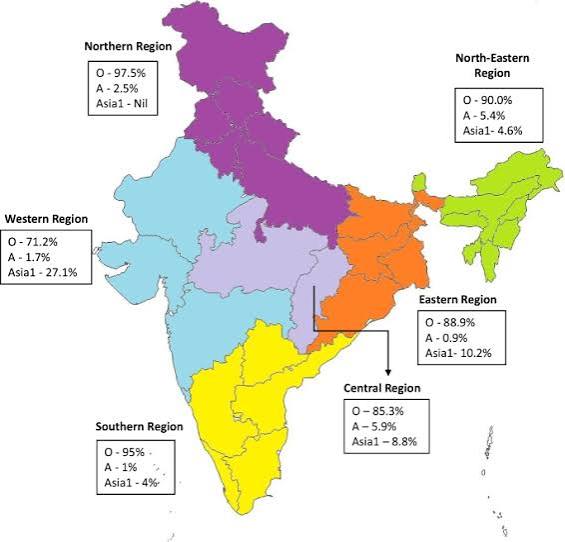
The clinical reality of FMD complicates this further: because different viral serotypes do not confer cross-immunity, India’s standard national vaccination campaigns (which target endemic serotypes like O and A) offer zero protection against an incoming SAT-1 wave.
SAT-1 Emerges as a Global Animal Health Concern
Foot-and-mouth disease virus comprises seven immunologically distinct serotypes—O, A, C, Asia 1, SAT 1, SAT 2 and SAT 3—with little or no cross-protection between them. Vaccines developed against one serotype generally do not provide effective immunity against another, making serotype-specific preparedness essential.
Historically confined to sub-Saharan Africa, SAT-1 has recently spread into West Asia, parts of Europe and Asia, prompting international concern. The World Organisation for Animal Health (WOAH) has warned that the changing epidemiological situation requires heightened surveillance, preparedness and coordinated international action.
₹1.5 Lakh Crore Economic Burden
The vulnerability of India’s livestock population carries profound socio-economic risks. The livestock sector functions as a vital financial safety net for over 80 million rural households, growing at an impressive trajectory. However, infectious diseases inflict a heavy toll on the national exchequer:
-
Total Annual Livestock Disease Losses: ₹1.0 to ₹1.5 lakh crore.
-
Existing FMD Burden: ₹20,000 crore annually in direct losses.
-
Compounding Factors: Historical outbreaks of LSD (costing over ₹20,254 crore) and ASF (ranging from ₹2,800 to ₹14,000 crore) highlight the severe financial devastation associated with uncontained viral incursions.
India’s Livestock Sector at Stake
India possesses the world’s largest livestock population—around 536.8 million animals—and is the world’s largest milk producer, generating nearly 248 million tonnes of milk annually, representing roughly 24% of global production. The livestock sector contributes approximately 5.5% of India’s Gross Value Added (GVA) and nearly 30% of agricultural GVA, while supporting the livelihoods of more than 80 million rural households.
Given the sector’s economic significance, experts argue that preparedness against emerging FMD serotypes should be considered a strategic national priority.
Containment Blueprint
To prevent a catastrophic collapse in dairy and meat production margins, the report outlines an immediate bipartite biosecurity roadmap:
1. Immediate Vaccine Procurement or Manufacturing
Because existing domestic vaccines are immunologically blind to SAT-1, India must either arrange immediate emergency import channels for an efficacious foreign vaccine or securely import the active virus strain to manufacture a customized SAT-1 vaccine domestically as India has extensive local FMD Vaccines production facilities.
2. Mobilization of High-Containment Facilities
India possesses premier biosecurity infrastructure, including the dedicated ICAR-National Institute for FMD Research (ICAR-NIFMD). Prof. Tripathi notes that these institutions possess the high-containment capabilities required to safely manipulate exotic strains. Leveraging lessons from the COVID-19 pandemic—where vaccines were fast-tracked through compressed regulatory timelines—India has the scientific capacity to design sensitive diagnostic kits and targeted therapeutics before the pathogen actively breaches the country’s borders.
As transboundary disease pressures mount globally, animal health experts agree that ahead-of-the-curve preparation is no longer optional. For India, executing a preemptive vaccine matching and production strategy is the only viable path to shielding its multi-crore livestock infrastructure from a devastating SAT-1 disruption.

