


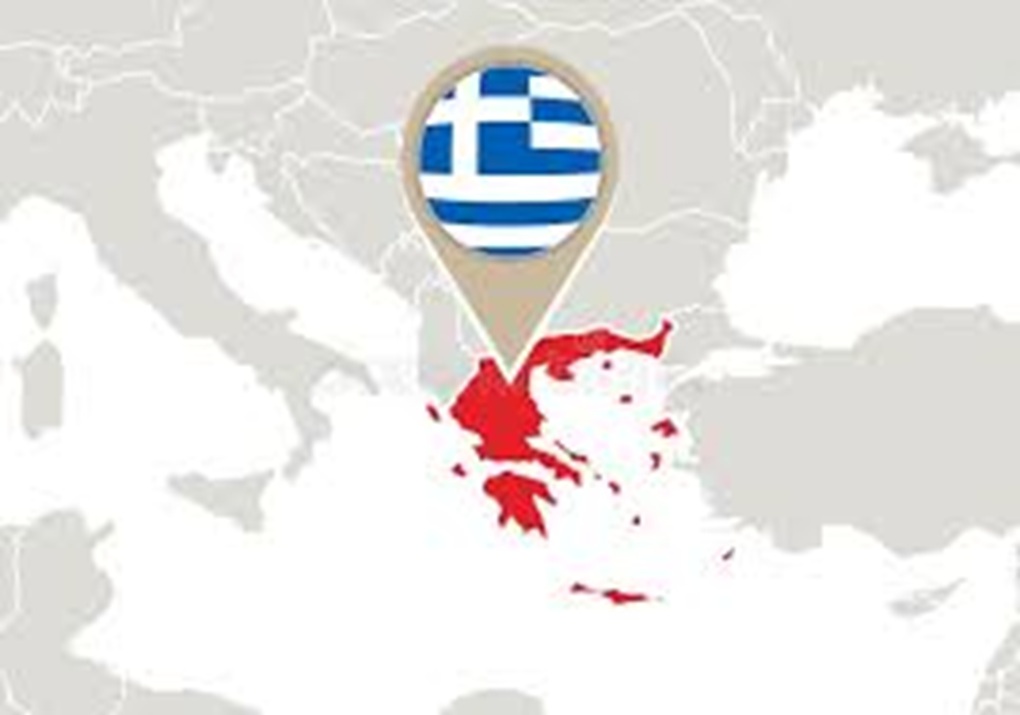
Southeastern Europe is currently facing a highly critical livestock emergency following the formal breach of the European continent’s geographical defenses by Foot-and-Mouth Disease (FMD) virus serotype SAT1. Historically restricted to sub-Saharan Africa, the progressive northward expansion of the SAT1 serotype throughout 2025–2026 across the Near East and West Asia has culminated in a multi-state Mediterranean crisis, with major outbreaks confirmed in Cyprus and Greece.
In Greece, the situation represents the sharpest structural alert within the European livestock infrastructure since the 2001 epidemics. Centered on the Island of Lesvos, the outbreak has rapidly amplified within fully immunologically naïve populations. As of May 2026, the disease continues to expand across agricultural zones, presenting severe risks of mainland spillover and multi-billion-euro trade suspensions for the broader European Union.
THE TRANSMISSION CORRIDOR (2025-2026)]
├── Endemic Pool (Sub-Saharan Africa) ──► Near East Incursion (Iraq/Türkiye, 2025)
└── Mediterranean Invasions (2026) ──► 1. Southern Cyprus (Larnaca/Nicosia)
└── 2. Greece (Island of Lesvos Epicenter)
Outbreak & Population Dynamics
The epidemiological ledger for the Greek SAT1 incursion reflects a highly volatile transmission profile, characterized by high morbidity among small ruminants:
Epidemiological Parameter |
Validated Case Metric |
Key Population Insight |
Affected Commercial Holdings
|
76 Farms |
Heavily clustered in northern and central Lesvos (e.g., Pelopi). |
Confirmed Clinical Cases
|
>4,400 Animals |
High viral loading observed across mixed-species operations. |
Susceptible Animals at Risk
|
~30,500 Animals |
Represents the immediate frontline population under surveillance. |
Depopulation / Culling Quantum
|
28,000 – 30,000 Animals |
Stamped-out policy enforced across all infected and contact zones. |
Dominant Species Profile
|
Sheep & Goats (Ovine/Caprine) |
Comprises over 90% of the culled biomass; highly vulnerable. |
Vector Dynamics: The Long-Distance “Human Jump”
A critical element identified by the European Food Safety Authority (EFSA) and the World Reference Laboratory for FMD (WRLFMD) is the biological pathway of the infection. Lesvos had not recorded an FMD outbreak since 1994 (Serotype O), and mainland Greece has been free of the disease since 2000.
Genetic sequencing of field isolates confirms the presence of the exotic SAT1 Topotype, matching strains currently moving through the Middle East. Because the virus bypassed traditional, linear border buffer zones, veterinary epidemiologists have concluded that the introduction was a long-distance, human-mediated jump.
The primary transmission vectors under investigation include:
-
Fomite Mechanics: Vehicle tires, contaminated livestock transport equipment, or footwear moving between regional trading ports
-
Illegal Swill Feeding: The introduction of untreated, contaminated catering waste or non-heat-treated products of animal origin (POAO) into smallholder backyard operations
Implemented Containment Protocols & Technical Friction
To arrest the virus before it reaches the Greek mainland (Thrace) and enters contiguous European transport networks, the Greek Ministry of Rural Development and Food, backed by the EU’s PAFF (Plants, Animals, Food and Feed) Committee, has executed strict emergency measures under Regulation (EU) 2016/429 (Animal Health Law):
1. Zonal Containment and Movement Halts
A strict 3 km Protection Zone and 10 km Surveillance Zone have been established around all 76 affected holdings. The entire territory of Lesvos operates under a total ban regarding the movement of live ruminants, porcine species, germplasm, untreated wool, and animal bedding (hay/straw)
2. The Milk and Dairy Logistics Blockade
Because milk from subclinically infected sheep and goats sheds massive viral loads, Greece has established an intensive zonal containment model for dairy logistics. Milk collected within an assigned containment zone is legally barred from crossing zone perimeters unless subjected to high-temperature short-time (HTST) double-pasteurization or ultra-high temperature (UHT) sterilization
3. Activation of the European Civil Protection Mechanism
Recognizing that local veterinary infrastructure was being overwhelmed by the scale of the required depopulation, Greece officially activated the European Civil Protection Mechanism. This deployment routes emergency protective gear, diagnostic kits, and automated humane culling infrastructure through the EU’s Emergency Response Coordination Centre (ERCC).
Institutional Vaccine Challenge
The primary technical vulnerability complicating the regional response is the global vaccine matching gap.
The Immunology Friction: Standard European veterinary vaccine banks are formulated to protect against endemic Eurasian strains, specifically serotypes O, A, and Asia 1. They provide zero cross-protection against the SAT1 serotype.
While neighboring Cyprus received emergency shipments exceeding 1.0 million specialized SAT1 vaccine doses from the EU bank to mount ring-vaccination campaigns, the global availability of high-potency SAT1 antigen remains severely constrained.
Consequently, until targeted vaccine matching and manufacturing scales up to provide a minimum 80% herd immunity coverage across southeastern Europe, the Greek veterinary strategy must rely entirely on aggressive stamping-out policies, perimeter lockdowns, and absolute trade isolation.
Global Commercial & Trade Implications
The economic shockwaves of the Greek SAT1 alert have triggered immediate defensive trade walls:
-
International Export Bans: The United Kingdom (Defra), North American regulatory bodies, and major Asian importing states issued immediate safeguard declarations, completely suspending the import of all live FMD-susceptible ungulates, raw germplasm, un-tanned hides, and untreated animal by-products from the entire territory of Greece
-
The PDO Product Risk: If the virus breaches island containment and establishes a foothold on the Greek mainland, the country’s high-value dairy export market—predominantly protected designation of origin (PDO) Feta cheese—faces catastrophic structural blockades, as trading partners demand rigorous, expensive heat-treatment validation that alters traditional product profiles
-
The Pan-Asian Risk Profile: In a parallel alert issued by the FAO, international biosecurity teams were warned that the SAT1 topotype has simultaneously been intercepted as far east as China. If the virus enters the massive, intensively managed swine value chains of East Asia, pigs (which act as “amplifying hosts,” shedding aerosolized virus at log-orders higher than ruminants) could transform the current regional crisis into a devastating global livestock depression

