


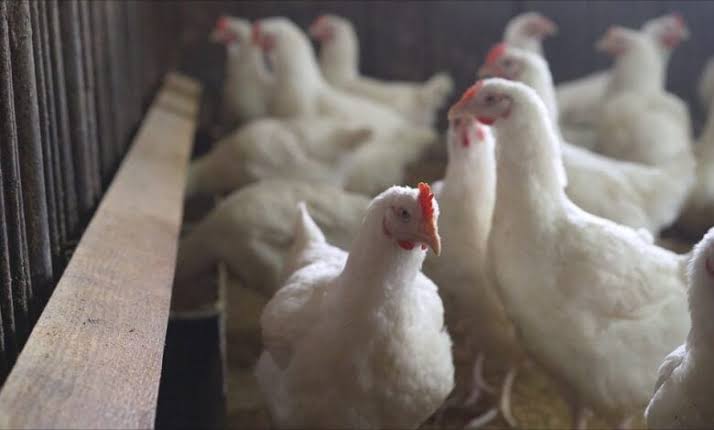
“To be or not to be” is a question that India’s Ministry of Animal Husbandry has been grappling with ever since the first outbreak of Highly Pathogenic Avian Influenza hit poultry farms in India.
Having “reluctantly and delayed” the adoption of Low Pathogenic Avian Influenza Vaccines with a faint and impossible hope that these vaccines will help protect against non-homologous HPAI, the Department of Animal Husbandry and Dairying (DAHD), Government of India, has established a structured regulatory pathway to evaluate and potentially approve the import of Highly Pathogenic Avian Influenza (HPAI) vaccines.
This marks a significant departure from the nation’s long-standing, exclusive reliance on a “detect-and-cull” strategy for bird flu containment partly supported by approval for local manufacturing and imports of LPAI vaccines, so far.
Driven by intense policy advocacy from the Confederation of Indian Industry (CII) Animal Agriculture Task Force and leading corporate poultry integrators such as Srinivasa Farms, the proactive shift focuses directly on protecting the country’s high-value, genetically vulnerable breeder and parent-stocks.
Protecting the Foundation of India’s Poultry Genetics
For decades, India has managed H5N1 avian influenza outbreaks through a strict stamping-out policy, enforcing a mandatory 1-kilometer culling radius around any confirmed viral node. While this approach limits initial contagion, the increasing frequency and multi-state distribution of panzootic clade 2.3.4.4b outbreaks have inflicted unsustainable economic damage on commercial poultry farms.
The economic vulnerability is most severe within grand-parent and parent breeder farms. Unlike commercial broilers raised on short 35-day market cycles, elite breeding lines require months of intensive biosecurity investment and carry the foundational genetics for the entire national livestock supply chain.
“Vaccination brings much-needed stability and confidence to the supply chain,” noted Mr. Suresh Chitturi, Managing Director of Srinivasa Farms and Chair of the CII Animal Agriculture Task Force. Industry leaders emphasise that shielding these core breeder population safeguards downstream day-old chick supplies, stabilizes farm-gate input costs and reinforces national animal protein security.
Logistics Constraint: Masking Threat and Trade Safeguards
While veterinary scientists support the phased introduction of imported HPAI vaccines to mitigate catastrophic poultry flock mortality, policy analysts and molecular epidemiologists stress that a standalone immunization campaign presents severe risks.
Because current avian influenza vaccines do not provide sterile immunity, they do not entirely prevent a bird from contracting or shedding the virus. Instead, they suppress clinical symptoms and lower mortality rates.
Silent Circulation Risk
If an immunised flock interacts with a field strain of H5N1, the birds may carry and shed the virus without showing visible signs of illness. This creates a dangerous diagnostic blind spot where the virus can circulate silently throughout a production zone, increasing the probability of sudden mutations or undetected spillover into wild birds, other mammalian hosts and farm workers.
Furthermore, global agricultural export markets strictly monitor how trading partners report and manage poultry diseases. If India cannot definitively prove that its exported eggs or processed poultry items are free from active field infections, international trading partners may enforce comprehensive import bans, jeopardizing foreign agricultural trade.
Implementing a Comprehensive DIVA Framework
To address these trade and epidemiological hurdles, the new DAHD regulatory framework mandates that any deployment of imported HPAI vaccines must be strictly paired with a DIVA (Differentiating Infected from Vaccinated Animals) strategy, managed alongside molecular surveillance. The protocol relies on four core technical pillars:
-
Heterologous Vaccine Strains: The strategy utilises vaccines engineered with an influenza virus subtype different from the dominant circulating field strain (for example, utilising an H5N3 vaccine to counter an H5N1 field strain). This allows lab technicians to distinguish between birds by identifying specific, non-vaccine antibodies.
-
Unvaccinated Sentinel Monitoring: Production facilities must integrate a designated percentage of unvaccinated “sentinel” birds within the immunized flock. If a silent infection enters the shed, the sentinels will display symptoms or seroconvert, serving as an immediate early-warning system.
-
Rigorous Bridging Studies: All imported vaccine candidates will undergo testing against active Indian field isolates at designated high-containment facilities, such as the National Institute of High-Security Animal Diseases (ICAR-NIHSAD) in Bhopal, to verify ongoing real-world efficacy.
-
Continuous PCR Audits: Regional veterinary teams will enforce routine, mandatory genetic sequencing and throat-swab PCR analysis to monitor for potential antigen drift, ensuring the vaccine continues to match mutating field strains.

