


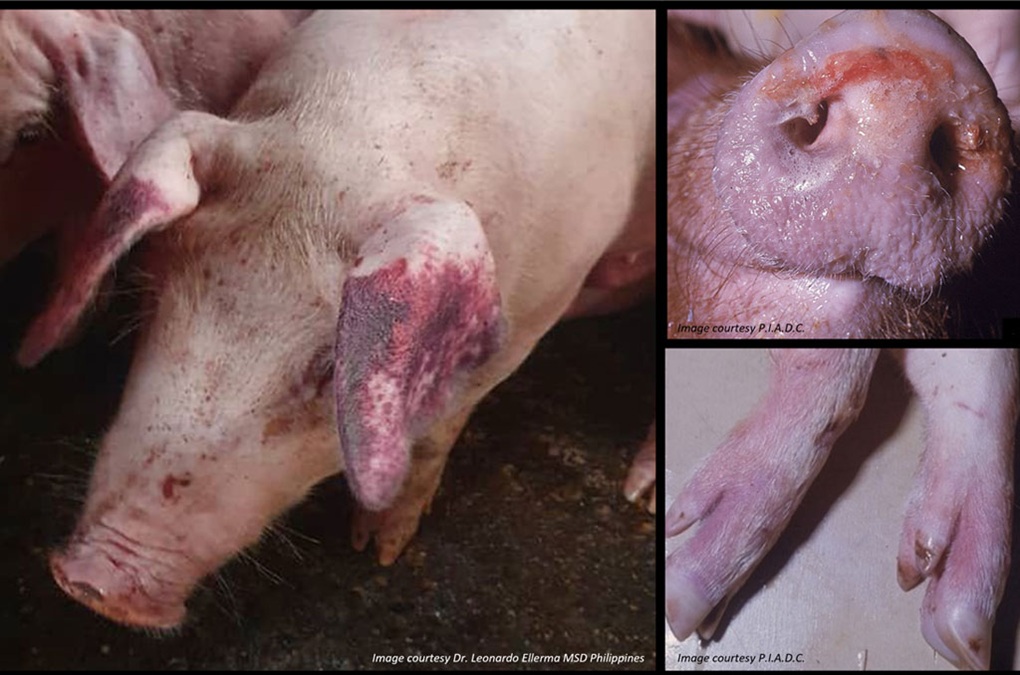
BEIJING, CHINA based Harbin Veterinary Research Institute (HVRI), operating under the Chinese Academy of Agricultural Sciences (CAAS), released updated multi-provincial field tracking data over the weekend. The report provides a detailed look at the real-world efficacy and safety of China’s latest veterinary countermeasures against African Swine Fever (ASF).
Genomic Surveillance Across Mega-Herd Provinces
The field surveillance focused on the performance of the newly deployed, gene-deleted live attenuated ASF vaccine. Teams of veterinary immunologists and data analysts finalized genomic sequencing and clinical tracking across major commercial swine production facilities in Sichuan and Shandong provinces—two of China’s highest-density pork-producing regions.
The monitoring program was designed to evaluate how the vaccine interacts with evolving wild-type strains in large-scale, industrial farming environments
High Efficacy Rates Coupled with Clinical Side-Effects
The clinical data from the multi-provincial tracking yielded two primary findings for the swine industry:
-
Strong Protective Shield: The genomic surveillance confirmed a robust 92% protection rate against the circulating wild-type ASF virus strains, indicating strong herd immunity potential for the commercial sector
-
Transient Joint Pathology: Despite the high efficacy, veterinary public health officers issued strict diagnostic guidelines to field clinicians. The data revealed a notable side effect: a small percentage of vaccinated gilts (young female pigs) developed transient joint swelling post-injection
Strict Guidelines Issued to Field Veterinarians
In response to the joint swelling observations, CAAS officials distributed an operational circular to industrial farm managers. The directive outlines specific monitoring timelines to differentiate normal post-vaccination inflammatory responses from potential vaccine reversion or secondary bacterial infections.
This surveillance data arrives at a critical time as China continues to modernize its vertical biosecurity infrastructure to stabilize national pork supplies.

