HomeStartupDairy Industry: New Start Ups and Fund Raises in First Half of...

Dairy Industry: New Start Ups and Fund Raises in First Half of 2026

As part of our series on – Start Ups in Animal Health, this covers all the major Start Ups in Dairy Segment which raised funding in First Half of 2026. Dairy Industry is witnessing unique opportunities in higher demand for Value Added Products globally and Start Ups are positioning on the “right side of this high value wave”.

Dairy Industry: Transitioning From Commodity to “Functional Ingredient Platform”

The dominant story in dairy right now isn’t a single startup — it’s a wave of accelerator-driven entrepreneurship reworking milk, cheese, and whey into higher-margin products, alongside a parallel, much larger bet on precision-fermentation dairy proteins that don’t need a cow at all.
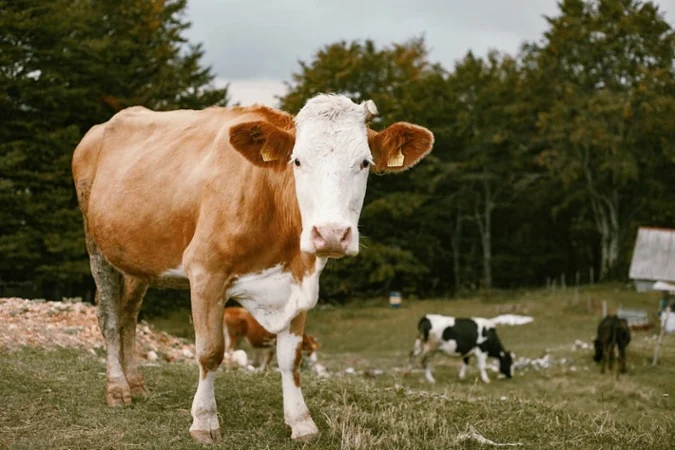
Accelerator-fueled product startups The California Milk Advisory Board and innovation consultancy VentureFuel have opened applications for the 2026 Real California Milk Excelerator, now in its eighth year, offering mentorship, retail access, and non-dilutive funding to founders building products that are at least 50% dairy — with this year’s cohort getting new AI-enabled go-to-market tools for identifying consumer trends and optimizing retail launches. More than 60 brands have gone through the program to date, collectively receiving over $2.5 million in non-dilutive funding and support.

A sister effort, the Midwest Dairy Accelerator, just named its second annual cohort of six startups reinventing traditional dairy formats:

  • Disco Cow (Chicago) – whipped, protein-packed cottage cheese dips and spreads

  • Drippy Dip (Michigan) – shelf-stable cheddar/Monterey Jack dip with no seed oils or artificial dyes

  • MOOJ Foods (Chicago) – a higher-protein, lower-fat reimagining of paneer for everyday cooking
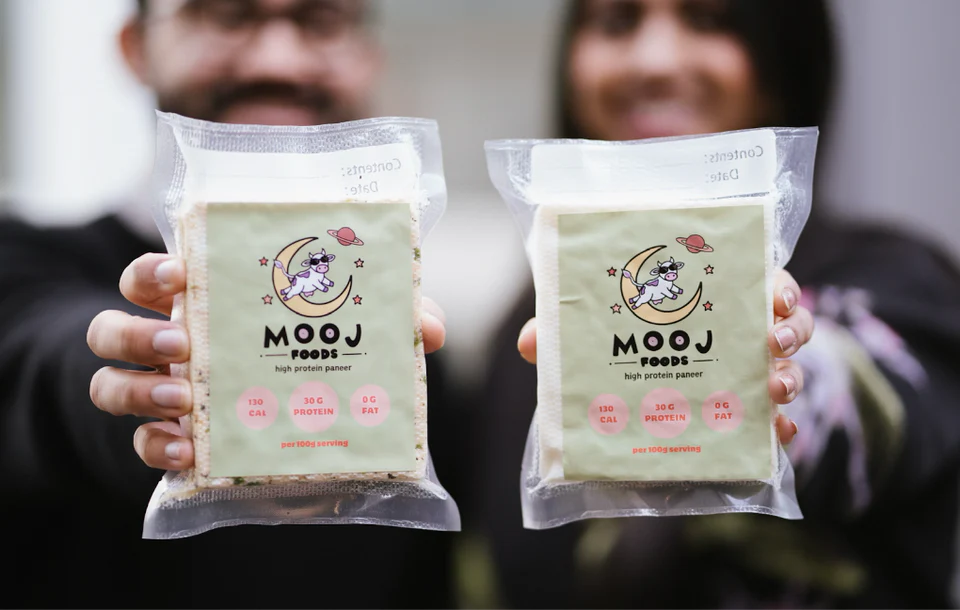
The pattern here reflects hard retail data: Circana reported yogurt sales up nearly 9% in 2025 and cottage cheese volumes up roughly 15%, as shoppers reward high-protein, functional, clean-label dairy over commodity milk.

Precision-fermentation “dairy without cows” The bigger capital story is in animal-free dairy proteins.

Paris-based Standing Ovation raised a combined €30 million (~$34 million) round — €25M in equity from Bpifrance’s Ecotechnologies fund, Crédit Mutuel Innovation, Danone Ventures, Bel Group and others, plus €5M in non-dilutive financing — to scale production of casein (milk’s dominant protein) made via fermentation from upcycled agricultural sugars and whey, following an earlier €16 million Series A. The company claims a 74% reduction in greenhouse gas emissions versus animal-derived casein.

Other names active in this space include Perfect Day, Imagindairy, Change Foods, and ReMilk, all engineering yeast or microbes to produce cow-milk proteins without livestock — a category investors increasingly treat as adjacent to biotech rather than traditional food & beverage, and one of the few dairy sub-sectors still attracting large rounds even as broader food-tech funding has tightened.

The funding climate Food-tech investors speaking at Future Food-Tech San Francisco this year were blunt: the “easy capital” era is over. Backers like Siddhi Capital say they now prioritize startups that can show real sales commitments and clean cap tables over ones with just a promising product — a sign that dairy-adjacent startups will need retail traction, not just a good pitch, to raise follow-on rounds in 2026.

Animal Health India Editorial Team
Animal Health India Editorial Teamhttps://animalhealthindia.com
Animal Health India (AHI) is an independent news and intelligence platform covering the global animal health, veterinary, livestock, poultry, companion animal and pet food sectors. Our editorial team comprises veterinary journalists, animal health professionals, regulatory affairs specialists and industry analysts with over 30 years of combined experience covering India, Asia, Europe and North America. AHI publishes news, regulatory updates, market intelligence and company news drawn from primary sources including DAHD, EMA, USDA, AVMA and leading veterinary publications worldwide.
RELATED ARTICLES