


Aquaculture: Betting Big on Land-Based Systems and Farm Intelligence
Aquaculture technology is a smaller but fast-professionalizing category — 1,506 active companies globally as of April 2026, with $2.16 billion in cumulative VC investment over the past decade and $55.1 million already raised in 2026 alone. The US leads on funding ($756M cumulative), while India (214 startups) and the UK (118) lead outside the US on company count.
Aquaculture Fund Raises 2026
Aquaculture technology and farming startups globally have raised over $55.1 million in 2026, marking a slowdown in equity funding compared to previous years. Within the Aquaculture Farming sector alone, startups raised $6.67 million across 2 rounds, which represents a 67.15% drop in equity funding compared to the same period in 2025.
The eFishery shock still looms over the sector Indonesia’s eFishery, once a $1.4 billion aquaculture unicorn, remains a cautionary tale after reporting showed investors are facing under 10% recovery of invested capital — a reminder that the category’s largest-ever deal turned into one of its biggest write-downs, and a factor pushing investors toward more disciplined diligence in 2026.
Where new capital is actually going
-
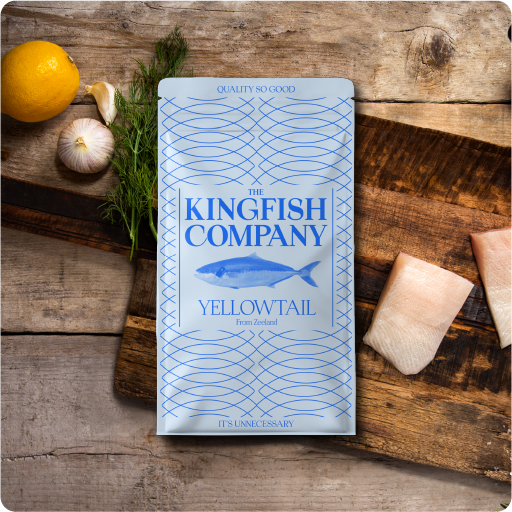
Kingfish Zeeland (Netherlands), a land-based yellowtail kingfish farm, secured $50 million in financing in 2026
-
Bluu Seafood (Germany), a cultivated (cell-based) seafood company, closed a €16 million Series A

-
Aquabyte, which uses computer vision for fish health and biomass monitoring, closed a $22 million growth round
-
Manolin, an ocean-health/fish-health monitoring platform, raised an $8 million Series A
-
Pontus Research raised $15 million for aquaculture technology
-
Umitron, a farm-management and feeding-optimization software company, raised a $13 million Series B with co-investment from multiple funds
-
Israel’s Barramundi Farms closed a Series A backed by an Israeli fund focused on recirculating aquaculture systems (RAS) in Mediterranean markets
Technology themes
-
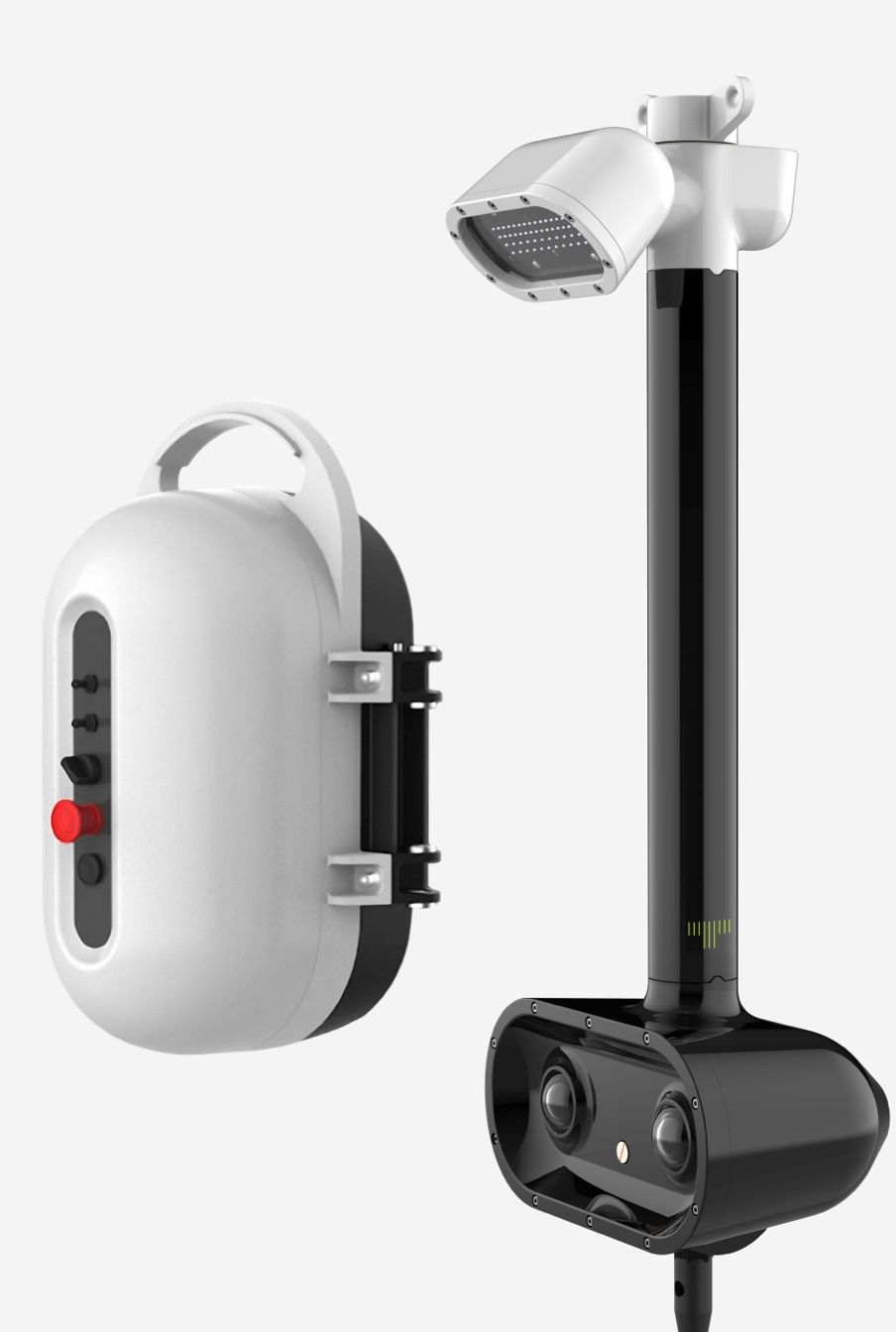
Computer vision and biomass monitoring: Startups like TidalX AI (US) use underwater cameras, machine learning, and autonomous robotics to estimate fish biomass, detect sea lice, and monitor welfare remotely — addressing one of aquaculture’s oldest problems (you can’t see what’s happening underwater at scale).
-
Parasite and disease detection: Denmark’s FP AQUA makes an AI-powered sensor (LiceSensor V3) with a 64-megapixel camera that detects salmon lice larvae before they attach to fish, aiming to cut chemical treatment costs and fish stress.
-
Alternative and sustainable feed: France’s aquaculture-feeding sub-sector has drawn over $1 billion in cumulative VC funding, though 2025 saw a sharp pullback in new rounds compared to 2024, suggesting the category is consolidating around a few well-capitalized players.
-
Seaweed and regenerative ocean farming: Germany’s Cerberus Seaweed Systems builds compact, buoy-based cultivation rigs that eliminate the heavy anchoring traditional seaweed farming requires, while a wave of “impact-only” funds (e.g., Seaworthy Collective) are backing kelp and shellfish restoration projects that explicitly avoid intensive RAS or offshore models.

