


Independent peer-reviewed research published in Frontiers in Veterinary Science reports strong assay performance in a proof-of-concept evaluation using bovine nasopharyngeal swab samples
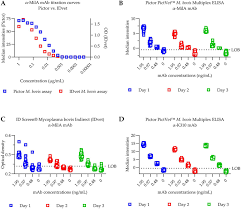
Pictor Holdings Inc., a global targeted proteomic platform company, today highlighted the publication of an independent peer-reviewed study conducted by researchers at Texas A&M University and published in Frontiers in Veterinary Science evaluating the Pictor PictVet® assay for monitoring anti-Mycoplasma bovis (M. bovis) IgG antibodies in bovine nasopharyngeal swabs. The study, titled “Detection of anti-Mycoplasma bovis IgG in bovine nasopharyngeal swabs,” was published June 11, 2026, in Frontiers in Veterinary Science (doi: 10.3389/fvets.2026.1856081).
M. bovis is a significant bacterial pathogen responsible for Bovine Respiratory Disease (BRD), one of the most economically damaging health challenges in the global cattle industry, with estimated costs exceeding $1 billion annually in the United States, according to the USDA. While molecular techniques such as PCR can detect the presence of M. bovis DNA, they do not provide information about the animal’s concurrent immune response. This study investigated whether the Pictor PictVet® targeted assay could be used to monitor multiple anti-M. bovis antibody biomarkers from nasopharyngeal swab samples, offering a less invasive alternative to blood-based approaches.
Notably, the study was conducted in crossbreed feedlot beef cattle, expanding the body of published Pictor PictVet® M. bovis research from dairy cattle into beef production settings. The Texas A&M research team, led by Dr. Robert Valeris-Chacin, evaluated archived nasopharyngeal swab samples from 100 crossbreed feedlot steers (50 positive and 50 negative for M. bovis DNA via digital qPCR). Using a Latent Class Analysis (LCA) model developed by the investigators to establish study cutoffs and assessing K-0310 and K-0320 antigens in parallel, the Pictor® platform demonstrated 97.59% accuracy, 100% sensitivity, and 95.18% specificity using the multiplex panel. The panel also demonstrated excellent inter-operator reproducibility with kappa coefficients ranging from 0.894 to 1.0 and reliably identified positive samples at a 1:2 dilution.