


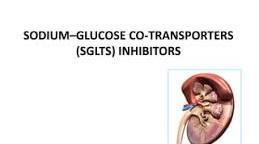
In a major development that highlights the stark species-specific differences in animal metabolism, the European Medicines Agency’s (EMA) Committee for Veterinary Medicinal Products (CVMP) has drawn a firm regulatory line on the use of Sodium-Glucose Cotransporter 2 (SGLT-2) inhibitors.
The class of oral medications known as “flozins”—which have fundamentally reshaped how small animal practitioners manage feline endocrine disorders—faced a major setback in large animal medicine. During its latest plenary sessions, the CVMP issued a definitive negative opinion on a highly anticipated equine formulation, highlighting the distinct risk parameters governing different species.
Green Light: Felines achieved Approval of SGLT-2 Inhibitors
The regulatory baseline for SGLT-2 inhibitors in the companion animal sector remains firmly rooted in success. The EMA previously granted full marketing authorization to Boehringer Ingelheim’s Senvelgo (velagliflozin oral solution), making it a highly utilized, once-daily liquid therapeutic for felines.
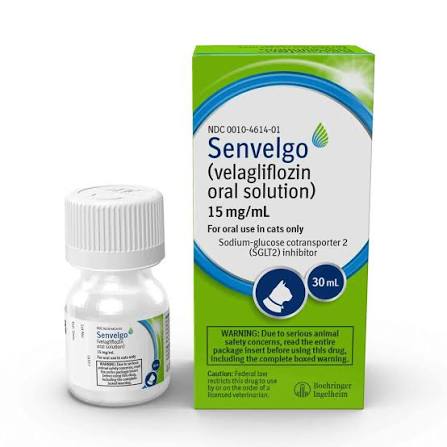
For cats, which primarily experience a form of diabetes that closely mirrors human Type 2 diabetes (characterized by insulin resistance and progressive pancreatic dysfunction), SGLT-2 inhibition has proved to be a clinical breakthrough. By blocking glucose reabsorption in the renal proximal tubules, the drug allows the feline body to safely excrete excess glucose through the urine, quickly stabilizing blood sugar levels.
This small-animal validation eliminated the need for twice-daily insulin injections for many newly diagnosed cats, saving pet owners significant stress and drastically lowering clinical hypoglycemic risks.
🔴 Red Light: Equine Metabolic Risks Halt Scovella in tracks
In sharp contrast to the feline sector’s celebration, the CVMP officially issued a definitive negative opinion for Scovella, an oral velagliflozin formulation developed by Boehringer Ingelheim Vetmedica GmbH specifically for horses.
Boehringer Ingelheim had sought a specialized marketing authorization under “limited market” protocols. The targeted indication aimed to address a massive unmet need in equine medicine: the treatment of hyperinsulinaemia (abnormally elevated blood insulin levels) and its catastrophic secondary clinical complication, laminitis, in insulin-dysregulated horses and ponies that had proven entirely unresponsive to standard changes in husbandry, diet, and exercise.
Safety and Efficacy Hurdles
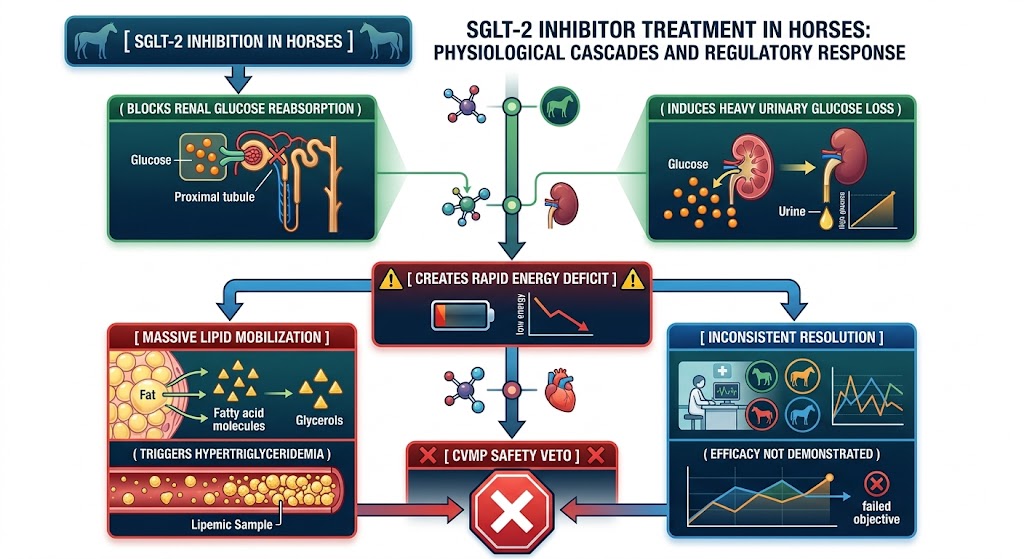
Despite the active substance (velagliflozin) performing well in cats, the CVMP ruled that the data submitted for the equine platform failed to demonstrate a favorable benefit-risk balance. The grounds for the regulatory veto centered on two primary pillars:
-
Efficacy Deficits: The submitted field data failed to reliably prove consistent, predictable resolution of hyperinsulinaemia and associated clinical laminitis across diverse equine cohorts.
-
Target Animal Safety Risks: Regulators flagged critical concerns regarding target animal safety. Because horses possess a highly sensitive and unique lipid metabolism, forcing rapid glucose loss via the kidneys can trigger an acute energy crisis. This often results in massive fat mobilization, leaving horses vulnerable to severe hypertriglyceridemia (dangerous concentrations of fat in the bloodstream) and secondary hepatic complications.
What Next Steps for Industry and Practitioners
The contrasting fates of these treatments underscore a key challenge in veterinary pharmacology: a molecular mechanism that works safely in one species cannot simply be mapped onto another.
While small-animal veterinarians continue to actively prescribe velagliflozin to treat feline diabetes with great success, equine practitioners lose a major pathway toward a registered, standardized treatment for insulin dysregulation.
Under EMA protocols, Boehringer Ingelheim has exactly 15 days from the formal receipt of the opinion to notify the agency of its intent to appeal the decision and request a re-examination of the Scovella dossier. Until then, equine specialists treating severe, refractory metabolic laminitis will remain limited to strict dietary management or navigating the clinical uncertainties of off-label human alternatives.

