



European Medicines Agency’s (EMA) Committee for Veterinary Medicinal Products (CVMP) has issued a definitive negative opinion regarding the marketing authorization for Scovella (velagliflozin) during its June 16–18, 2026, plenary sessions.
The regulatory rejection stalls a highly anticipated therapeutic framework designed to treat severe metabolic complications in equines and serves a setback for Boehringer Ingelheim’s novel treatment targeting insulin dysregulation and laminitis in horses
Intended Indication and Drug Mechanics
Developed by Boehringer Ingelheim Vetmedica GmbH, Scovella was submitted for evaluation as a specialized product intended for a limited market. Its primary clinical objective was the treatment of hyperinsulinaemia (abnormally high blood insulin levels) and its severe secondary clinical signs—most notably laminitis, a painful, potentially crippling hoof disease.
The drug was explicitly targeted at insulin-dysregulated horses and ponies that had proven completely unresponsive to standard corrective adjustments in husbandry, diet, and exercise regimens.
Scientific Profile of Scovella:
-
Active Substance: Velagliflozin.
-
Class: Glucoside sodium-dependent glucose co-transporter 2 (SGLT-2) inhibitor.
-
Mechanism of Action: SGLT-2 inhibitors block renal glucose reabsorption in the kidneys. By promoting the excretion of glucose through urine, the drug lowers overall blood glucose levels, ideally reducing the heavy compensatory insulin surges that trigger laminitis.
Grounds for Regulatory Rejection
Following a rigorous review of the submitted technical dossiers, the CVMP concluded that the manufacturer failed to establish a favorable safety-to-benefit equation. The official grounds for the negative opinion specifically targeted two critical assessment pillars:
-
Efficacy Deficiencies: The submitted field data failed to sufficiently prove that the drug reliably resolved hyperinsulinaemia and associated laminitis clinical markers across targeted equine populations.
-
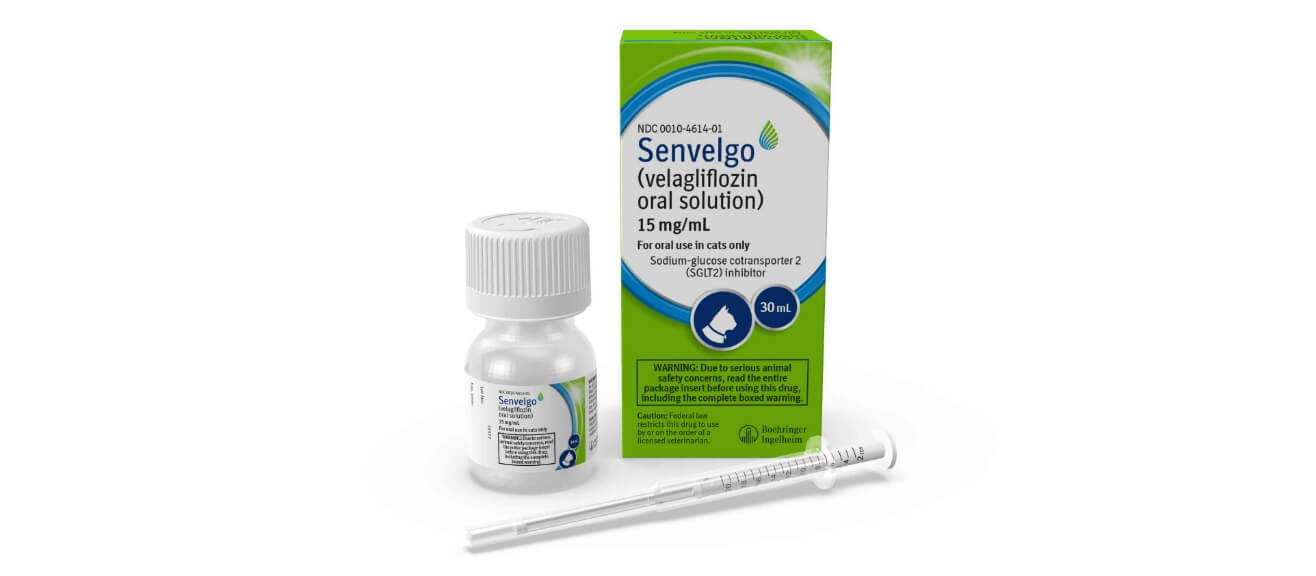
Target Animal Safety Risks: The panel cited outstanding concerns regarding target animal safety data. While SGLT-2 inhibitors have been successfully leveraged in other veterinary segments (such as Boehringer Ingelheim’s Senvelgo for feline diabetes), the metabolic specificities of equines present distinct safety risks—including potential alterations in lipid metabolism or risks of rapid weight loss and dehydration.
Official EMA CVMP Ruling: “The CVMP, on the basis of quality, safety and efficacy data submitted, considers that the benefit-to-risk balance for Scovella was not demonstrated to be favourable and therefore cannot recommend the granting of a marketing authorisation.”

