


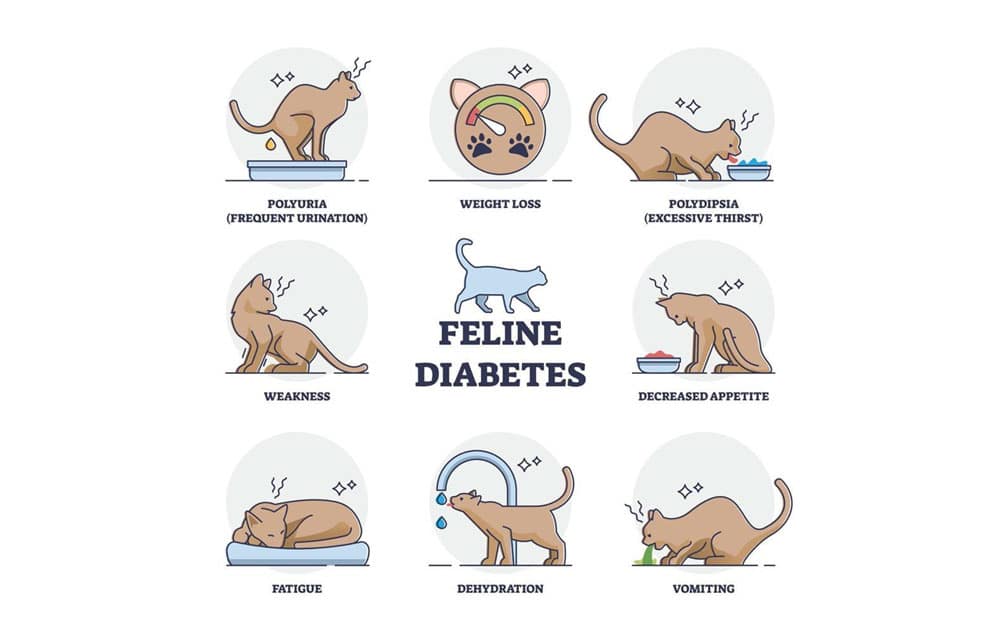
From Diabetes to Metabolic Disease: The Next Major Therapeutic Class in Veterinary Medicine?
Approval of SGLT-2 (Sodium-Glucose Cotransporter 2) inhibitors into the veterinary landscape marks one of the most radical therapeutic shifts in animal health in a generation. Long established as blockbuster human therapies for Type 2 diabetes and heart failure, these oral “flozin” drugs have successfully crossed over into veterinary medicine and how.
They are fundamentally transforming how veterinarians manage metabolic diseases, shifting treatments from dreaded twice-daily injections to stress-free, once-daily oral dosing.
Feline Breakthrough: Feline Diabetes
The primary commercial and clinical footprint for SGLT-2 inhibitors in animal health is in feline diabetes mellitus. Cats primarily suffer from a form of diabetes that closely mirrors human Type 2 diabetes, characterized by insulin resistance and progressive beta-cell dysfunction.
The FDA approved two flagship SGLT-2 veterinary formulations, which have been fully integrated into the newly released 2026 AAHA (American Animal Hospital Association) Diabetes Management Guidelines for Cats:
-
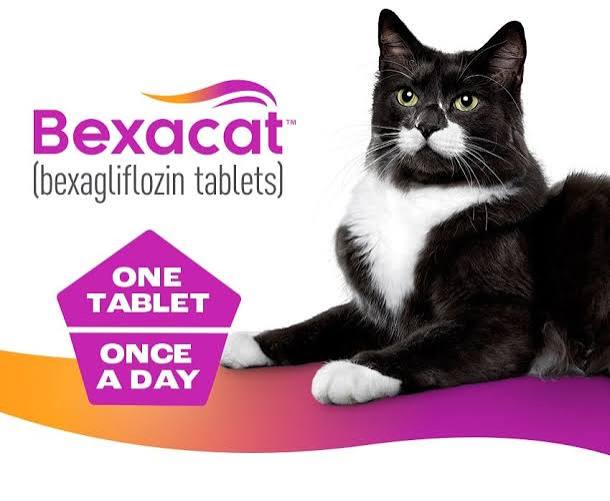
Bexacat™ (bexagliflozin – Elanco): A flavored, once-daily oral tablet. Estimated sales in 2026 ~ USD 15 Million
-
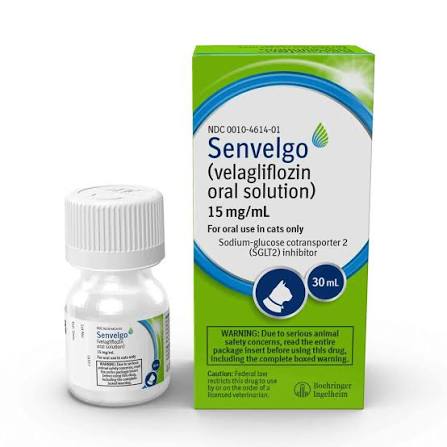
Senvelgo® (velagliflozin – Boehringer Ingelheim): A once-daily flavored liquid oral solution given directly or mixed with food. Estimated sales in 2026 ~ USD 25 to 30 Million
How SGLT-2 Inhibitors’ Work – Mechanism of Action
SGLT-2 proteins reabsorb approximately 90% of filtered glucose in the kidney. Blocking SGLT-2 results in:
-
Increased urinary glucose excretion
-
Reduced blood glucose
-
Lower insulin concentrations
-
Mild calorie loss
-
Weight reduction
-
Improved insulin sensitivity
-
Reduced glucotoxicity
Unlike insulin or sulfonylureas, SGLT-2 inhibitors generally carry a low risk of hypoglycaemia when used appropriately because their action is largely independent of pancreatic insulin secretion.
Clinical Paradigm Shift
-
Ditching the Needles: Compliance among pet owners historically plagued feline diabetes management due to the anxiety of drawing and injecting insulin twice a day. SGLT-2 inhibitors offer a massive lifestyle benefit for owners.
-
Eliminating Hypoglycemic Crises: Because these drugs do not actively push glucose into cells, the risk of a fatal hypoglycemic (low blood sugar) crash—the primary danger of traditional insulin overdoses—is drastically minimized.
-
No More In-Hospital Glucose Curves: Under the 2026 veterinary guidelines, stress-inducing in-hospital blood draws are discouraged because stress spikes feline glucose. Monitoring has shifted toward tracking clinical signs and at-home ketone monitoring.
Critical Catch: Patient Selection & Euglycemic DKA
SGLT-2 inhibitors are not a total replacement for insulin and require incredibly strict veterinary screening.
Absolute Contraindications
-
Insulin-Dependent Cats: If a cat has zero remaining beta-cell function (Type 1 model) or has previously been treated with insulin, SGLT-2 inhibitors are strictly forbidden. The cat must possess some residual capacity to produce its own insulin, or it will quickly enter metabolic crisis.
-
Sick Cats: Dehydrated, lethargic, or anorexic cats cannot start this therapy.
Euglycemic DKA Threat
The most dangerous complication associated with veterinary SGLT-2 inhibitors is Euglycemic Diabetic Ketoacidosis (eDKA). Because the kidneys are continuously dumping glucose, a cat’s blood sugar may read completely normal (euglycemic) while its body is silently starving for insulin.
Without enough baseline insulin, the body begins rapidly burning fat for fuel, causing a toxic buildup of ketones. Veterinarians and owners must monitor blood $\beta$-hydroxybutyrate (BHB) ketone levels intensely during the first few weeks of therapy. If a cat becomes ill or lethargic on an SGLT-2 inhibitor, the drug must be stopped immediately and the cat transitioned to insulin and dextrose.
Equine Applications: Metabolic Syndrome & Laminitis
Beyond cats, SGLT-2 inhibitors are seeing surging interest in equine medicine, particularly for treating Equine Metabolic Syndrome (EMS).
Horses frequently suffer from severe, refractory hyperinsulinemia (excess insulin levels) caused by high-sugar diets and metabolic dysfunction. This chronic condition directly triggers laminitis—a catastrophic, excruciatingly painful inflammation of the hoof tissues that often results in euthanasia.
While the EMA CVMP recently issued a negative opinion on Scovella (velagliflozin) for a specific equine marketing registration due to narrow benefit-risk and target safety profiles in field trials, equine specialists routinely use human formulations (like canagliflozin or ertugliflozin) off-label with remarkable success. SGLT-2 inhibitors drastically lower insulin levels within days, preventing the devastating laminitis pathways.
-
Equine Caveat: A known species-specific risk being studied in horses is hypertriglyceridemia (excessive blood fat). Because horses have unique lipid metabolisms, blocking glucose causes rapid mobilization of fat stores, requiring close monitoring of triglyceride panels.
Future: Canine Cardiology
While dogs suffer from an absolute, insulin-deficient form of diabetes (ruling out SGLT-2 use for glycemic control), the veterinary industry is actively looking at SGLT-2 inhibitors for canine heart and kidney failure.
In humans, drugs like dapagliflozin (Farxiga) provide massive cardioprotective benefits. Emerging 2025/2026 clinical pilot data evaluating short-term dapagliflozin administration in dogs with congestive heart disease confirms the drug is highly tolerated and introduces powerful antioxidative and anti-inflammatory cellular pathways. Large-scale field studies are underway to establish if SGLT-2 inhibitors can prolong the lifespan of dogs suffering from degenerative mitral valve disease (MMVD).
Future Opportunities
GLT-2 inhibitors represent one of the most promising emerging therapeutic classes in veterinary medicine. The success of Senvelgo (velagliflozin) has demonstrated that insulin-independent glucose-lowering can be translated into clinical practice for companion animals, while Scovella has highlighted the potential to expand into endocrine and metabolic diseases in horses.
Current Veterinary Market (2026)
| Indication | Estimated Market |
|---|---|
| Feline diabetes | US$60M |
| Equine metabolic disease | US$20M |
| Other experimental uses | US$10M |
Total
≈ US$90 million
Potential Market by 2035
| Indication | Estimated Market |
|---|---|
| Feline diabetes | US$450M |
| Feline obesity | US$350M |
| Feline CKD | US$250M |
| Equine metabolic syndrome | US$180M |
| Canine metabolic disorders | US$200M |
| Other uses | US$120M |

