


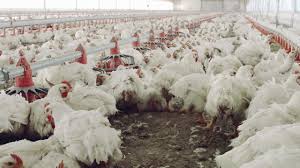
SÃO PAULO — Latin America’s poultry sector delivered another year of robust expansion in 2025, with broiler production increasing by approximately 5% in bird numbers and total chicken meat output rising 5.5% in volumes, according to the latest regional poultry industry survey.
The growth underscores the continued strength of poultry as the region’s most affordable and scalable animal protein source, benefiting from rising domestic consumption, improving feed economics, expanding export opportunities and ongoing investments in genetics, nutrition and processing infrastructure.
Industry analysts note that the near-identical growth rates in bird numbers and meat tonnage indicate that productivity gains remained stable across the region, with average market weights continuing to improve modestly alongside higher placements.
Regional Poultry Production Continues Long-Term Expansion
Latin America remains one of the world’s most important poultry-producing regions. Recent industry estimates indicate the region produces approximately 29 million tonnes of poultry meat annually, representing one of the largest poultry production clusters globally. Production has expanded steadily over the past decade at an average annual rate of approximately 1.7%, with 2025 significantly outperforming the long-term trend.
Latin America Poultry Industry Growth
Metric |
2024 |
2025 |
Change |
|---|---|---|---|
Broilers Produced |
Index 100 |
Index 105 |
+5.0% |
Chicken Meat Production |
Index 100 |
Index 105.5 |
+5.5% |
Average Bird Weight |
Stable |
Slightly Higher |
Positive |
Processing Capacity Utilization |
High |
Higher |
Increasing |
The 5.5% increase in chicken meat output exceeded the long-term regional growth trajectory and reflects stronger market conditions across most major producing countries.
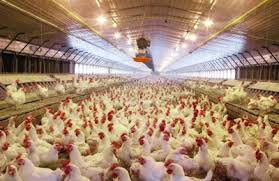
Brazil – the Big Daddy Continues to Drive Regional Expansion
The largest contributor to regional growth remains Brazil, which continues to dominate global poultry markets.
According to industry and government data, Brazil produced approximately 14.2 million metric tonnes of chicken meat in 2025, establishing a new production record and representing annual growth of approximately 3.4%. Growth was driven by larger broiler harvests, improved feed economics and strong export demand.
Leading Broiler Meat Producers in Latin America
Country |
Chicken Meat Production (MT) |
Brazil |
~14.2–15.0 million |
Mexico |
~3.9 million |
Argentina |
~2.3 million |
Colombia |
~1.8 million |
Peru |
~1.8 million |
Chile |
~0.7 million |
Collectively, Brazil, Mexico, Argentina, Colombia and Peru account for the overwhelming majority of Latin America’s poultry output.
Consumer Demand Remains Exceptionally Strong
A major driver behind production growth continues to be rising chicken consumption across the region.
Chicken remains the most affordable animal protein for consumers facing inflationary pressures, resulting in continued substitution away from higher-cost beef and pork in several markets.
Estimated Chicken Consumption in 2025
Country |
Consumption (Million MT) |
Brazil |
10.1 |
Mexico |
5.1 |
Argentina |
2.4 |
Colombia |
2.0 |
Peru |
2.0 |
Chile |
0.7 |
Industry observers note that poultry demand has proven remarkably resilient despite economic volatility across parts of the region.
Feed Economics Improve Industry Margins
Feed remains the largest cost component in poultry production, accounting for approximately 65–70% of total production costs. Throughout much of 2025, producers benefited from:
-
Lower corn prices in major producing regions
-
Improved soybean meal availability
-
Better feed conversion ratios
-
Enhanced genetic performance
-
Higher processing efficiencies
These factors supported margin recovery across many integrated poultry operations.
Export Markets Continue Expanding
Brazil remains the dominant export engine for Latin American poultry. Export growth has been supported by:
-
Middle Eastern demand
-
Asian market recovery
-
Expanding halal poultry exports
-
Competitive production costs
-
Strong biosecurity performance
Brazilian poultry companies continue to benefit from vertically integrated production systems, abundant grain supplies and large-scale processing infrastructure.
Productivity Gains Continue
The relationship between bird-number growth (+5%) and meat-output growth (+5.5%) suggests ongoing improvements in production efficiency. Key productivity drivers include:
- Technology Adoption
-
Precision nutrition programs
-
Advanced breeding genetics
-
Automated environmental controls
-
Digital flock monitoring
-
Enhanced disease surveillance
Industry Improvements
Productivity Driver |
Impact |
Genetics |
Higher growth rates |
Nutrition |
Better feed conversion |
Health Programs |
Reduced mortality |
Automation |
Improved consistency |
Processing Efficiency |
Higher yields |
Poultry Feed Industry Supports Expansion
Global feed production surveys indicate broiler feed remains the largest animal feed category worldwide, accounting for nearly 28% of total feed tonnage. Continued growth in poultry feed output reflects confidence in future poultry demand across Latin America and other developing regions.
Investment Activity Accelerates
Strong poultry fundamentals continue attracting investment across the region. Recent investment themes include:
-
Processing capacity expansion
-
Hatchery modernization
-
Feed mill upgrades
-
Breeding operations
-
Export infrastructure
Large regional companies are increasingly investing in automation and sustainability initiatives to improve competitiveness and reduce operating costs.
Outlook for 2026
Industry forecasts suggest another year of growth is likely in 2026, although expansion may moderate from the exceptional pace recorded in 2025. Key Growth Drivers are:
-
Rising protein consumption
-
Population growth
-
Urbanization
-
Export demand
-
Improved production efficiency
Key Risks
-
Avian influenza outbreaks
-
Trade restrictions
-
Feed price volatility
-
Currency fluctuations
-
Weather-related grain production risks

