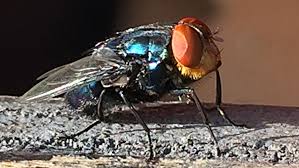


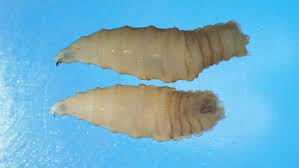
NWS outbreak that began June 3 has now escalated significantly heading into today, with six total confirmed detections across three new species and two US states.
The six confirmed cases as of June 10: United States now has six confirmed detections of New World screwworm in the past week. The first two detections were in Zavala County, Texas; three new detections have since extended the insect’s known territory to La Salle County, Texas (two calves), Gillespie County, Texas (a goat), and now Lea County, New Mexico (a dog) — the first confirmed case outside Texas.
New Mexico dog case — most significant development: A veterinarian in Andrews County, Texas submitted samples from an infested dog whose owner is a New Mexico resident. The case was initially reported as Andrews County, Texas, but was reclassified to Lea County, New Mexico after officials confirmed the dog’s home is in New Mexico. Officials believe the man recently had his dog with him in Mexico. USDA and state partners have initiated inspection of additional animals in the dog’s home and increased outreach in the area while continuing to investigate the animal’s movement history.
Mexico’s counter-move — banning US animal imports: Due to the detection of NWS in the US, Mexico announced on June 7 that it would immediately halt imports from the US of multiple species, and Canada’s Food Inspection Agency has also implemented temporary import restrictions on livestock including horses from affected US areas.
Secretary Rollins press conference — June 8 (circulating today): “These developments obviously represent a serious threat to our livestock and wildlife, but they haven’t caught us off guard,” Agriculture Secretary Brooke Rollins said during a June 8 press conference at the Knipling-Bushland US Livestock Insects Research Laboratory. Rollins confirmed USDA had been anticipating the return of NWS for well over a year and deployed more than 8,000 surveillance traps along the US–Mexico border last year.
Moore Air Base sterile fly facility activated: To ensure sterile fly release operations can be deployed to affected areas as quickly as possible, USDA has activated the sterile fly dispersal facility at Moore Air Base in Edinburg, Texas. Sterile pupae arrived at the facility last Friday, and aerial dispersal flights originating from the base began over the weekend.