


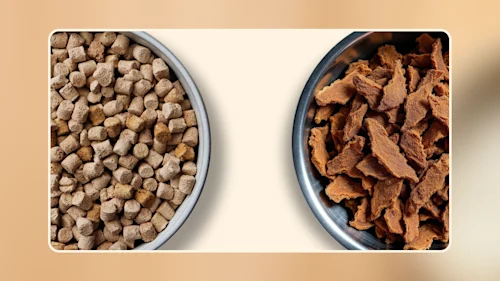
Chicago, June 10, 2026 — Disruptions due to the Inran war are playing out in some industries more than others. Pet food industry – one of the fastest-growing segments is facing an unexpected operational challenge in US as supply chain disruptions affect supplies of specialty ingredients, packaging materials and processing components for manufacturers of freeze-dried raw and air-dried pet foods.
Industry logistics trackers and retail channel reports indicate that several premium pet food brands are experiencing production delays and inventory shortages, forcing retailers in some markets to temporarily allocate shelf space back to conventional premium kibble products while awaiting replenishment.
The disruption comes at a time when demand for minimally processed, high-protein pet foods continues to accelerate globally, creating a mismatch between consumer demand and manufacturing capacity.

Premium Nutrition Continues Outperforming Traditional Categories
Freeze-dried and air-dried pet foods have emerged as some of the most dynamic categories within companion-animal nutrition over the past five years.
Market research estimates suggest the global freeze-dried pet food market is now worth approximately US$1.8–2.2 billion, while the broader air-dried and gently processed pet food segment is expanding at annual growth rates ranging from 12% to 18%, significantly outpacing traditional dry kibble categories. Several factors are driving the trend:
-
Pet humanization
-
Demand for minimally processed foods
-
High-protein feeding strategies
-
Raw-inspired nutrition
-
Premiumization of pet healthcare
Industry analysts estimate that premium and super-premium pet foods now account for more than 40% of total pet food value sales in major developed markets despite representing a smaller share of total volume.
Specialty Components Create Unique Vulnerabilities
Unlike conventional kibble manufacturers, freeze-dried and air-dried producers depend on a more complex network of specialized inputs. Current supply chain challenges are reportedly affecting:
-
Freeze-drying equipment components
-
Specialty protein ingredients
-
Functional additives
-
Nutraceutical inclusions
-
Premium packaging materials
-
Oxygen-barrier films
-
Customized pouches and containers
Because many of these components are sourced from specialized suppliers with limited manufacturing capacity, disruptions can quickly affect production schedules. Industry sources indicate that lead times for certain packaging materials and specialty ingredients have increased significantly compared with historical norms.
Retailers Respond by Rebalancing Shelf Space
Independent pet retailers and specialty chains have begun adapting to intermittent stock shortages by adjusting merchandising strategies. In some markets, retailers are:
-
Expanding premium kibble facings
-
Increasing inventory of canned diets
-
Promoting alternative premium brands
-
Reducing dependence on single suppliers
While the disruptions are not yet considered severe enough to impact overall category growth, they are creating localized availability issues for some of the industry’s fastest-growing products.
Retail buyers report that certain freeze-dried stock-keeping units (SKUs) have experienced sporadic out-of-stock periods, particularly in high-demand metropolitan markets.
Capacity Constraints Meet Rising Demand
The challenges highlight a broader structural issue within the premium pet food industry. Freeze-drying remains one of the most capital-intensive manufacturing processes in pet nutrition. A commercial-scale freeze-drying facility can require investments ranging from US$20 million to more than US$100 million, depending on capacity and automation levels.
As a result, industry capacity expansion has struggled to keep pace with rapidly rising consumer demand. Several manufacturers have announced investments in:
-
New production facilities
-
Additional freeze-drying lines
-
Expanded ingredient sourcing networks
-
Regional manufacturing hubs
While premium pricing has helped offset some inflationary pressures, companies are increasingly focused on securing long-term supply agreements and diversifying sourcing strategies.
Industry observers note that smaller brands may be particularly vulnerable because they typically possess less purchasing power than larger multinational competitors.
Market Leaders Better Positioned
Large premium pet food manufacturers generally maintain greater resilience due to:
-
Diversified supplier networks
-
Long-term ingredient contracts
-
Multiple manufacturing facilities
-
Larger inventory buffers
Smaller emerging brands, particularly those focused exclusively on freeze-dried products, may face greater operational challenges if disruptions persist. The situation could accelerate consolidation within the premium pet nutrition sector as scale becomes increasingly important for supply-chain stability.
Long-Term Outlook Remains Strong
Despite current distribution challenges, industry analysts remain overwhelmingly bullish on the long-term prospects of freeze-dried and air-dried pet foods. Global pet owners continue demonstrating a willingness to spend more on products perceived as:
-
Natural
-
High protein
-
Minimally processed
-
Functional
-
Health-focused

