


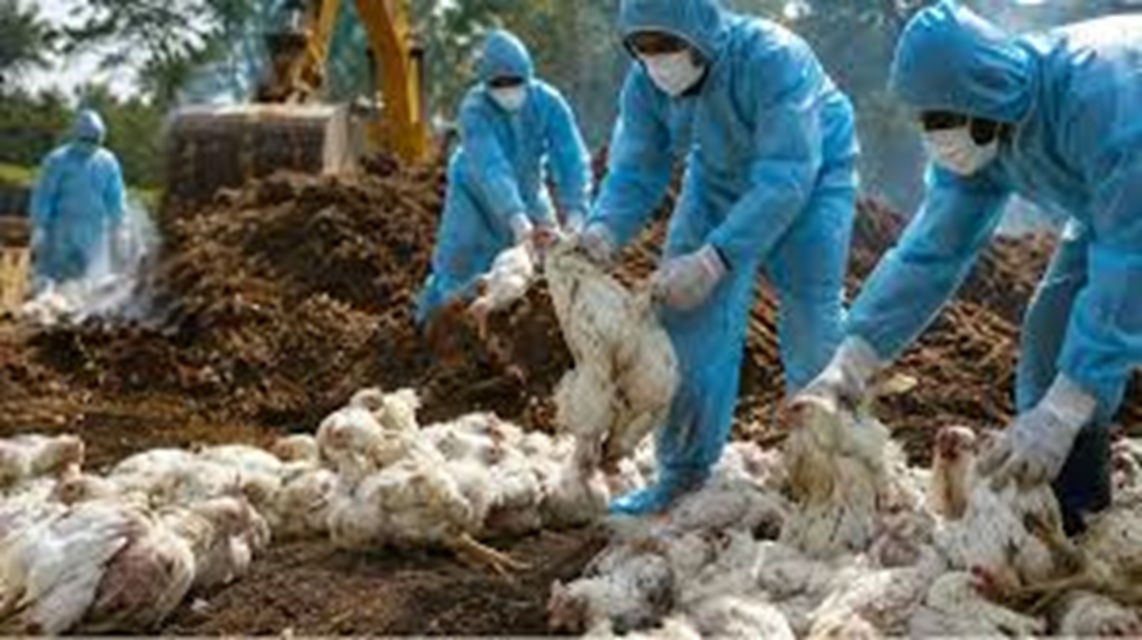
Navapur poultry cluster faces mounting economic and operational disruption on account of ongoing Bird Flu Outbreaks
Navapur, one of western India’s key poultry and egg production hubs, is facing a deepening crisis as recurring outbreaks of avian influenza continue to disrupt farm operations, strain farmer finances, and destabilize regional poultry supply chains.
The poultry cluster, located in Maharashtra’s Nandurbar district near the Gujarat border, has emerged as the focal point of one of the most significant disease-related disruptions currently affecting India’s poultry industry. Industry stakeholders warn that repeated bird flu outbreaks, combined with rising production costs and tightening access to credit, are creating long-term structural challenges for independent poultry farmers across the region.
According to local poultry operators and industry representatives, the region’s poultry economy is now under pressure from multiple fronts, including:
- recurring avian influenza outbreaks
- shrinking institutional financing access
- declining operational farm numbers
- rising biosecurity and compliance costs
- production disruptions
- increased mortality-related losses
- weakening farmer confidence
- migration of producers toward alternative agricultural activities
Industry participants say many poultry farmers who once operated profitable layer and broiler units are either reducing flock sizes or exiting poultry farming altogether in favor of lower-risk sectors such as dairy farming and crop cultivation.
Operational poultry farms decline sharply
Stakeholders in the region report that the number of active poultry farms in Navapur and surrounding areas has declined significantly over the past several years as repeated disease outbreaks continue to erode profitability and increase operational uncertainty. Farmers say maintaining commercial poultry operations has become increasingly difficult due to:
- mandatory culling risks
- recurring shutdown periods
- feed losses during containment operations
- movement restrictions
- disinfection expenses
- lower access to working capital
- rising insurance challenges
Many smaller and medium-scale producers reportedly lack the financial resilience required to absorb repeated outbreak-related disruptions. “The economics have become extremely difficult for independent poultry farmers,” said one local industry participant. “Every outbreak brings production losses, transport restrictions, and fear in the market. Many farmers are no longer willing to take the risk.”
Important egg production hub under pressure
Navapur remains one of western India’s important egg-producing clusters, with the region estimated to produce nearly 10 lakh eggs per day under normal operating conditions.
The cluster supplies eggs and poultry products across:
- Maharashtra
- Gujarat
- western India wholesale trade networks
- regional institutional buyers
- retail distribution chains
Industry experts warn that prolonged disruption in the region could tighten egg availability and create temporary supply volatility in several western Indian markets. Poultry traders say disease-related restrictions on bird movement and farm operations have already affected portions of the regional supply chain, while concerns over further containment measures continue to weigh on market sentiment.
Rising biosecurity costs reshape poultry economics
The ongoing avian influenza threat is also forcing poultry operators to significantly increase spending on biosecurity and disease prevention systems. Farmers are increasingly investing in:
- farm access controls
- vehicle disinfection systems
- sanitation infrastructure
- worker hygiene protocols
- protective equipment
- bird movement monitoring
- veterinary surveillance
- containment preparedness
While larger integrated poultry companies may be able to absorb these costs, smaller independent farmers say the additional expenditure is becoming financially unsustainable. Industry observers note that biosecurity has rapidly shifted from a secondary operational requirement to one of the poultry sector’s largest fixed-cost categories.
Credit access emerging as a major concern
Another major challenge emerging from the outbreak is reduced access to institutional finance for poultry operators. Farmers and local industry representatives say banks and lenders have become increasingly cautious toward poultry-sector exposure due to recurring disease risks and unpredictable production cycles.
Several producers reported difficulty obtaining:
- working capital loans
- flock expansion financing
- equipment financing
- insurance support
- refinancing for outbreak-related losses
Industry groups warn that continued tightening of credit availability could accelerate consolidation within the poultry industry, favoring larger integrated companies over smaller independent producers.
Broader implications for India’s poultry sector
The situation in Navapur reflects wider concerns emerging across India’s poultry industry as avian influenza outbreaks become increasingly disruptive to farm economics and supply-chain stability. India’s poultry sector, one of the fastest-growing protein industries globally, has been expanding rapidly due to rising demand for:
- eggs
- chicken meat
- processed poultry products
- affordable protein sources
However, recurring disease outbreaks are now exposing structural vulnerabilities linked to:
- biosecurity preparedness
- fragmented farm structures
- disease surveillance
- cold chain limitations
- farmer financial resilience
Industry experts say future sector growth will increasingly depend on:
- stronger disease monitoring systems
- improved veterinary infrastructure
- farmer training
- insurance penetration
- digital surveillance technologies
- integrated poultry management systems
Supply-chain risks remain elevated
Poultry producers in western India have warned that if outbreaks continue or containment measures intensify further, the region could witness:
- egg supply disruptions
- temporary price volatility
- reduced broiler availability
- hatchery movement restrictions
- higher production costs
- logistics bottlenecks
While authorities continue containment and surveillance efforts, industry participants say restoring farmer confidence and strengthening long-term disease preparedness will be critical to stabilizing one of western India’s most important poultry production regions.

