


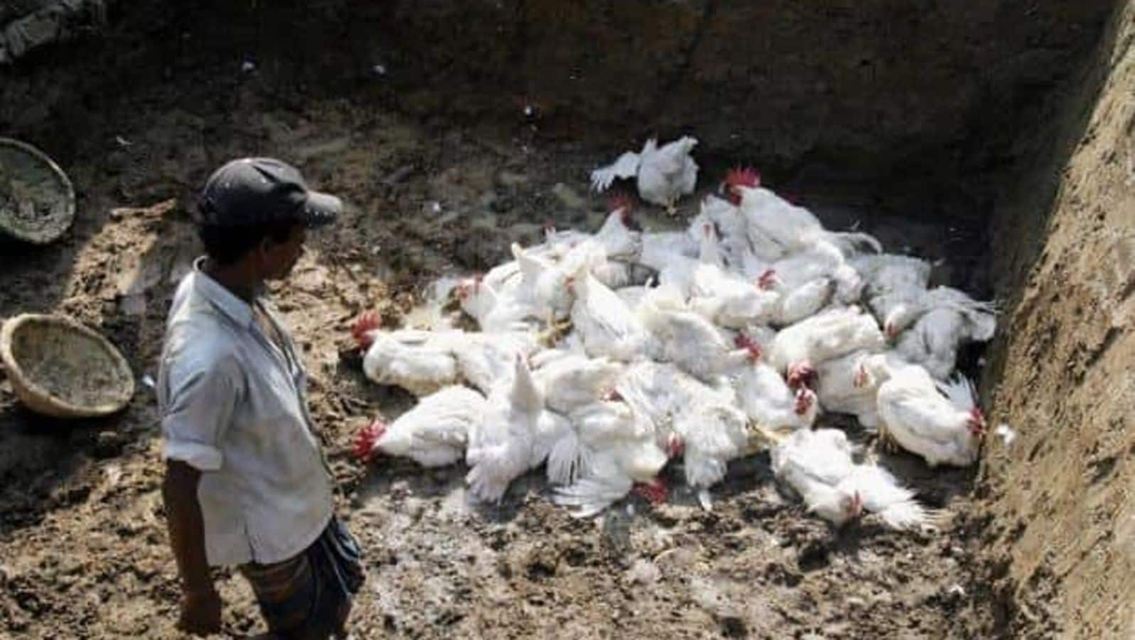
India Battles Fresh Wave of H5N1 Avian Influenza Outbreaks Amid Rising Global Concerns
India is facing a renewed wave of Highly Pathogenic Avian Influenza (HPAI) H5N1 outbreaks across multiple states, triggering large-scale containment measures, poultry culling operations and heightened disease surveillance as global concern around bird flu continues to intensify.
Recent outbreaks have been reported in Maharashtra, Karnataka, Odisha, Kerala and Andhra Pradesh, with authorities confirming infections primarily in poultry farms and wild birds. While no widespread human transmission has been detected in India so far, the outbreaks have raised concerns within the poultry industry on account of mounting losses and among public health experts due to the evolving global H5N1 situation.
Maharashtra Emerges as Key Outbreak Epicentre
The most significant outbreak cluster is currently cantered in Navapur, located in Maharashtra’s Nandurbar district—one of western India’s major egg-producing regions. Authorities have confirmed infections across multiple poultry farms, leading to extensive containment operations. According to local administration reports:
- more than 250,000 birds have been culled,
- over 930,000 eggs destroyed,
- and large quantities of feed and contaminated materials disposed of.
Surveillance and restriction zones have been expanded around affected farms to prevent further spread. The outbreak has dealt a severe blow to the local poultry economy, with industry stakeholders warning of mounting financial stress for farmers already struggling with recurring disease outbreaks and tightening credit conditions.
Karnataka
- Poultry Farm Outbreak — Bengaluru Region; Karnataka confirmed H5N1 in poultry near:
- Hessaraghatta
- Bengaluru outskirts
Containment measures included:
- culling thousands of chickens
- 10 km surveillance zones
- 90-day poultry restrictions
No human cases detected so far.
- Peacock Deaths — Tumkuru District
More than 44 peacocks died between April 16–21. Testing confirmed H5N1 avian influenza prompting Authorities to implement:
- infected zones
- wildlife surveillance
- containment measures
- Odisha – India’s Department of Animal Husbandry recently confirmed:
- H5N1 outbreaks in poultry in Jagatsinghpur district.
- Earlier 2026 Outbreaks
Kerala
India reported:
- 11 H5N1 outbreaks during Dec 2025–Jan 2026
- ~54,000 birds died
- 30,000 birds culled
These outbreaks mainly affected duck populations and not so much commercial poultry farms.
Andhra Pradesh
India reported:
- eight H5N1 outbreaks
- 600,000 birds dead or culled
No Major Human Transmission Detected in India
Despite the expanding outbreaks in birds, Indian authorities continue to emphasize that there is currently no evidence of sustained human-to-human transmission within the country. Public health monitoring has been intensified in outbreak zones, including:
- screening of poultry workers,
- monitoring of close contacts,
- and rapid response preparedness.
Globally, however, H5N1 continues to remain under intense scrutiny as the virus has increasingly been detected in mammals and sporadic human infections have been reported in several countries.
Global Fatality Earlier in Feb 2026
A fatal H5N1 avian influenza case was reported in a child from Bangladesh on February 9, 2026, according to the WHO as reported by CIDRAP. The child died on February 1, 2026, following exposure to sick household poultry. This was part of four H5N1 cases reported globally in early 2026.
INDIA’S VACCINATION POLICY
India’s current avian influenza control strategy continues to rely heavily on:
- mass culling,
- movement restrictions,
- surveillance zones, and
- strict biosecurity measures
Current Position:
India currently permits vaccination of ccommercial poultry birds, using only:
- low-pathogenic H9N2 strains
- Vaccination against highly pathogenic H5N1 is currently NOT Allowed but is under review
The use of vaccination against highly pathogenic H5N1 strains remains under scientific and regulatory evaluation. Authorities remain cautious about widespread vaccination due to concerns around incomplete immunity and potential masking of infections during surveillance efforts.
Government concerns include:
- incomplete immunity
- masking infections
- surveillance complications
Economic Impact on Poultry Industry
The latest outbreaks come at a sensitive time for India’s poultry sector, which had been recovering from previous disease episodes and fluctuating feed costs. Industry experts warn that prolonged outbreaks could lead to:
- supply chain disruptions,
- increased poultry prices,
- export concerns,
- and reduced farmer confidence.
At the same time, the outbreaks are expected to accelerate investment and interest in:
- poultry biosecurity,
- rapid diagnostics,
- farm surveillance technologies,
- and preventive animal healthcare systems.
Global Context Raises Long-Term Concerns
India’s outbreaks form part of the broader global H5N1 wave that has affected poultry and wildlife populations across Asia, Europe, and the Americas since 2020. The global outbreak has become particularly significant due to:
- increasing mammalian spillovers,
- infections reported in dairy cattle in the United States,
- and rising concern over viral adaptation.
While experts maintain that the immediate public health risk to the general population remains low, the continued geographic spread and evolution of H5N1 is keeping governments and animal health authorities worldwide on high alert.
Poultry Consumption Remains Safe, Authorities Say
Indian authorities continue to advise that properly cooked poultry products and eggs remain safe for consumption. Consumers are being urged to:
- avoid handling sick or dead birds,
- maintain hygiene during food preparation,
- and ensure thorough cooking of poultry products.
Outlook
As India intensifies its surveillance and containment efforts, the coming weeks will be critical in determining whether the outbreaks can be successfully contained before wider geographic spread occurs. For the animal health industry, the outbreaks are likely to reinforce long-term focus on:
- disease prevention,
- enhanced biosecurity infrastructure and disinfection protocols,
- advanced diagnostics,
- and vaccine innovation / increased adoption of existing vaccines across the poultry sector limiting the spread beyond the states reporting outbreaks
- Strict bio-security measures to avoid any mammalian spillovers, if at all
For any queries, comments and suggestions, write into us at: info@animalhealthindia.com