


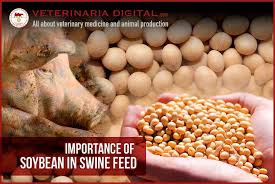
University of Illinois research shows excessive heat treatment to soymeal cuts bioavailable lysine by 44%, highlighting the importance of ingredient quality and processing in swine nutrition. This potentially may have similar implications for poultry?
Urbana, Illinois | 23 June 2026 – New research from the University of Illinois Urbana-Champaign has demonstrated that the nutritional value of soybean meal—the world’s most widely used protein source in swine diets—depends not only on its chemical composition but also on how it is processed.
The study, conducted by L. Torrez-Mendoza and Professor Hans H. Stein from the University’s Department of Animal Sciences, found that excessive heat exposure during soybean meal processing can substantially reduce the availability of essential amino acids, potentially compromising pig growth performance despite conventional laboratory analyses indicating adequate crude protein levels.
The findings underscore the growing importance of evaluating ingredient quality based on nutrient digestibility and amino acid availability rather than crude protein content alone.
Heat Processing Alters Nutritional Value
Soybean meal undergoes controlled heat treatment during oil extraction to deactivate naturally occurring anti-nutritional factors such as trypsin inhibitors. However, excessive heating can trigger chemical reactions that damage amino acids, reducing their biological availability to animals.
To investigate this effect, the researchers conducted a controlled feeding trial involving 160 weaned pigs, comparing diets formulated with soybean meal processed under three different thermal conditions:
-
normally processed soybean meal;
-
moderately overheated soybean meal; and
-
severely overheated soybean meal.
While all diets contained soybean meal as their principal protein source, the degree of thermal processing resulted in marked differences in amino acid quality.
Reactive Lysine Declined by 44%
One of the study’s most significant findings involved reactive lysine, the bioavailable fraction of lysine that animals can absorb and utilise for protein synthesis. Lysine is generally considered the first limiting amino acid in swine diets and plays a critical role in:
-
skeletal muscle development;
-
lean tissue accretion;
-
immune function;
-
enzyme production; and
-
overall growth performance.
The researchers reported that severe overheating reduced reactive lysine concentrations by 44%, falling from 2.84% in normally processed soybean meal to just 1.59% after excessive heat treatment. Although total lysine concentrations may appear relatively unchanged using conventional chemical analyses, a substantial proportion becomes chemically modified during overheating, making it unavailable for digestion and metabolism by pigs.
Why Heat Damages Amino Acids
According to the researchers, excessive thermal processing promotes the Maillard reaction, a well-known chemical interaction between amino acids—particularly lysine—and sugars.
Once lysine becomes bound in these complexes, it can no longer be available for effective protein synthesis despite remaining detectable through routine compositional analysis / NIR Tests.
As a result, feed ingredients may appear nutritionally adequate on paper while delivering significantly lower levels of metabolically available amino acids.
These findings reinforce the growing importance of measuring reactive lysine rather than relying solely on total lysine concentrations when evaluating protein quality of a feed / feed ingredient.
Growth Performance Depends on Amino Acid Availability
Modern pig genetics require highly digestible amino acids to support rapid lean tissue deposition and efficient feed conversion. Reduced lysine availability may lead to:
-
slower daily weight gain;
-
poorer feed conversion efficiency;
-
reduced carcass lean percentage;
-
increased feed costs per kilogram of gain; and
-
lower overall production profitability.

