

The companion animal healthcare sector in India faces persistent structural imbalances, primarily driven by the escalating costs of specialized veterinary diagnostics and therapeutics. This cost barrier frequently restricts lower-income families from seeking timely medical care for their pets.
To address this challenge directly, a targeted three-day clinical intervention titled “The Great Indian Dog Health Camp” was carried out in Bengaluru. Operating from June 5 through June 7, 2026, the initiative combined advanced veterinary infrastructure with subsidized pricing to eliminate financial and logistical barriers to care. Hosted at a specialized urban clinical node, the camp successfully treated a large number of family-owned pets and stray dogs, establishing a new model for accessible veterinary medicine.
Infrastructure and Unique Venue
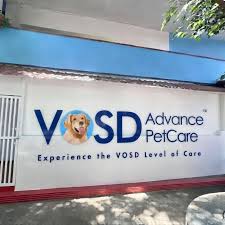
The campaign was physically and operationally anchored at the VOSD In-Patient Department (IPD) facility located in Indiranagar, Bengaluru.
Choosing this specific site provided important strategic advantages:
-
Urban Accessibility: Positioned within a major metropolitan hub, the facility allowed local community animal caretakers and pet owners from across Bengaluru to easily transport animals without the need for long-distance travel.
-
Inpatient and Monitoring Capabilities: Unlike temporary, field-based health camps that only offer basic triage, the facility provided structured inpatient monitoring, medication delivery systems, and real-time review protocols. This ensured that high-risk cases identified during the camp could be safely transitioned into continuous medical supervision.
Lowering Care Barriers & Economic Benefits
The primary mission of the initiative was to challenge the standard cost structures associated with commercial veterinary medicine. By adjusting operational expenses, the intervention addressed two distinct market segments:
Crashing the Healthcare Cost Curve
-
Mass-Premium Gap: Standard multi-tier veterinary clinics in urban India often price advanced diagnostics out of reach for average consumers. The camp removed these barriers by offering subsidized diagnostic packages.
-
Supporting Community Caretakers: By removing financial hurdles for community dogs, the initiative enabled neighborhood rescuers to bring in sick stray animals for professional care before their health conditions deteriorated into severe, life-threatening emergencies.
Clinical Scope and Therapeutic Reach
The health drive utilized an array of diagnostic and treatment protocols, ensuring that incoming patients received comprehensive medical evaluations rather than just basic superficial checks.
Key Clinical Services Offered:
-
Comprehensive Diagnostic Screenings: Complete physiological assessments to catch early internal warning signs.
-
Preventative Inoculations: Deploying core vaccination lines to strengthen local herd immunity against highly contagious endemic viruses like Parvovirus and Leptospirosis.
-
Ectoparasite and Endoparasite Management: Providing targeted deworming protocols and tick-infestation countermeasures to prevent the transmission of dangerous blood-parasite conditions.
-
Triage for Chronic Pathologies: Isolating and identifying animals suffering from advanced renal, hepatic, or cardiovascular diseases, and putting them on structured, protocol-led long-term treatment lines.

