



A Professor of Veterinary Parasitology at Charles Sturt University is undertaking leading research into parasites in regional NSW, with national and even global implications.
-
A scientist from Charles Sturt University is undertaking new research into the hidden world of parasites to protect public health, food safety and vulnerable communities
-
Parasites affect food security, fisheries, livestock production, biodiversity, and ecosystem health, as well as human health
-
Her work has uncovered a concerning gap in Australian policy and regulatory frameworks which monitor parasites and their impact on human, animal and environmental health
Parasitic infections are widespread globally and may be acquired through contaminated food or water, environmental exposure, insects, or interactions between humans, animals and ecosystems.
Many infections are underdiagnosed because symptoms can be vague, chronic, or mistaken for other illnesses. Malaria (caused by a mosquito-borne parasite) was estimated to cause more than 600,000 deaths in 2024 in 80 mostly tropical countries.
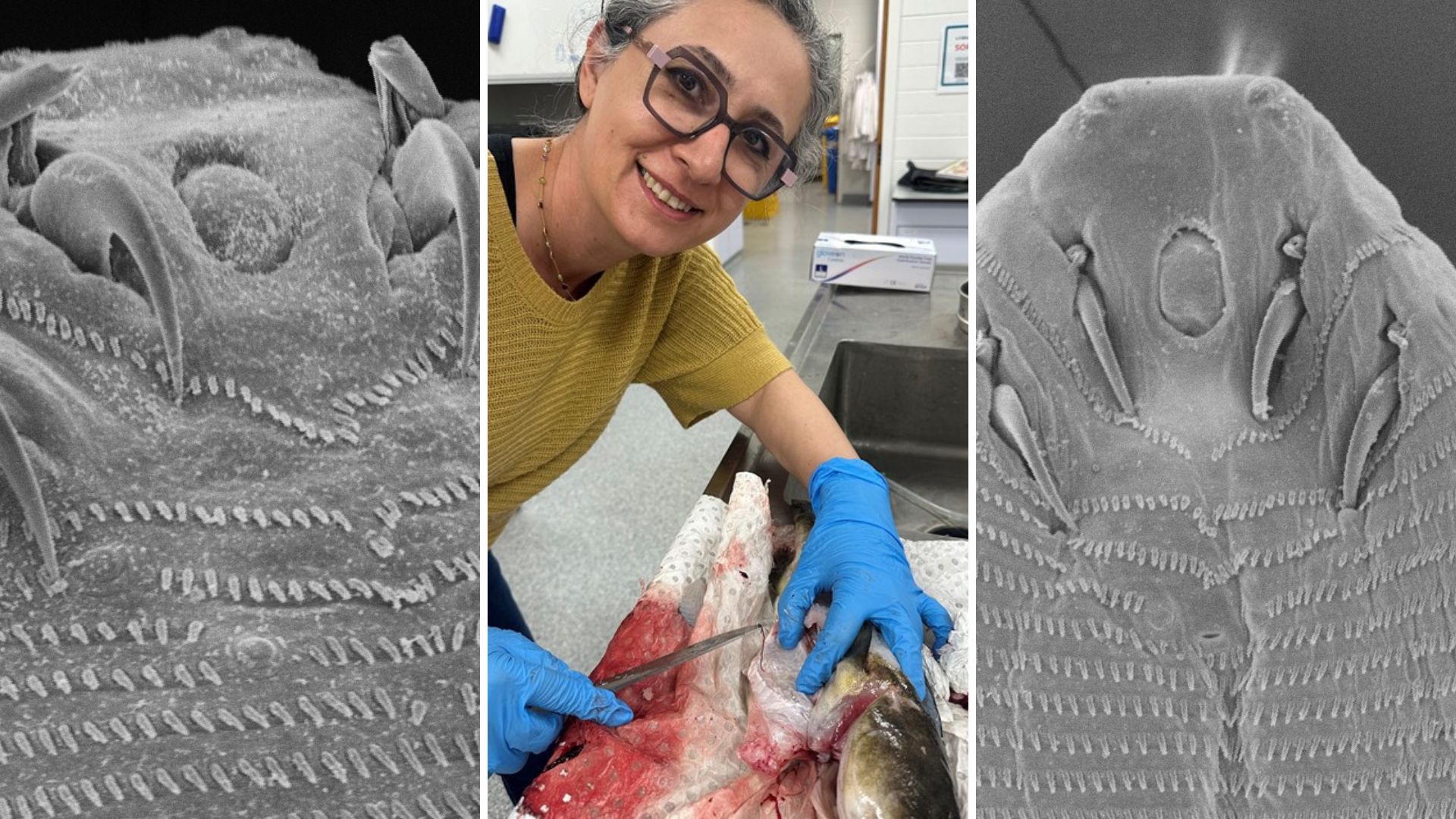
By addressing the critical gap in Australia’s knowledge of parasites, Professor Shokoofeh Shamsi (pictured) in the Charles Sturt School of Agricultural, Environmental and Veterinary Sciences in Wagga Wagga hopes to support biosecurity and sustainable food systems at home and abroad.
The project involves examining foodborne parasites in animals consumed by humans, particularly fish and game meat. The work includes investigations of parasites in museum samples in Tasmania collected from a whale (which may provide new insights into factors associated with whale strandings), and parasites in feral animals such as pigs and deer, and fish.
Mapping the “Hidden Bottleneck” of Parasitic Shift
While highly visible viral and bacterial outbreaks frequently dominate international biosecurity headlines, subclinical parasitic infestations present a more insidious threat to global protein production. Microscopic parasites often remain undetected within herds for months, quietly degrading animal welfare and draining farm profitability.
Professor Shamsi’s research team is mapping out how changing precipitation patterns, prolonged regional droughts, and sudden flooding events are altering the geographic footprints of intermediate hosts, such as pasture snails and waterborne vectors.
By uncovering hidden parasites and better understanding how they work and the risks they pose she hopes to better protect public health and inform national and global food safety policy.
Professor Shamsi, who also serves on the Board of the Food Safety Information Council (Australia), said parasites remain an often overlooked aspect of food safety and public health.
“Parasites are often ‘hidden’ problems; people rarely think about them until outbreaks or unusual cases occur, but they are deeply connected to food safety, biosecurity, environmental health, and interactions with animals,” Professor Shamsi said.

