


Pet food industry in India has moved from “nurturing pets” to “dog eats dog” level of competition in the last 5 years, with growing competition among 4 sets of companies:
-
Global, International Companies like Mars, Nestle Purina, Hill’s Pet Nutrition with either imports or local manufacturing or a combi of both, as a major model
-
Local, home grown companies, the likes of Drools – started off with imports of pet food and transitioned to local manufacturing
-
Countless Importers, Traders and a bevy of Startups – importing well known brands from US, Europe and Thailand or any other country
-
Large, Indian Diversified Conglomerates who made their fortunes from Oil, CPG Products, Software and Steel and Cars – the likes of Reliance, Godrej, Wipro and Tata Group
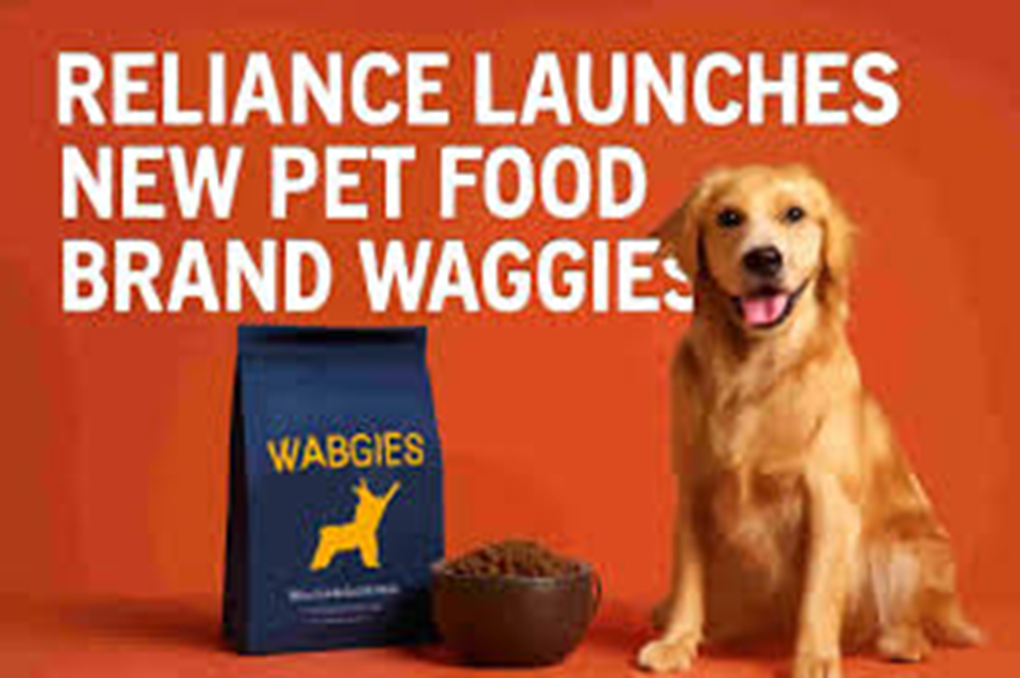
This report covers the nuances of India’s Fast Growing Pet Food Industry and appraisal of 6-months’ post launch performance of WAGGIES, pet food brand launched by Reliance Consumer Products Limited in Nov 2025.
WAGGIES – 6 Months’ Post Launch
In late 2025, Reliance Consumer Products Limited (RCPL), the fast-moving consumer goods (FMCG) arm of Reliance Industries, entered India’s fast-growing pet care sector with the launch of its proprietary brand, Waggies™. Mirroring its highly successful playbooks from telecom (Jio) and beverages (Campa Cola), Reliance structured Waggies around aggressive price undercutting (20% to 50% lower than legacy incumbents) paired with massive scale.
As of mid-2026, the strategy is shifting the dynamics of a market projected to double from $3.5 billion to $7.0 billion by 2028, according to Redseer Strategy Consultants. Rather than directly eroding the market share of premium international players, Waggies is rapidly capturing a large base of new consumers: conversion from home-cooked diets, multi-pet households, and the booming Tier-2 and Tier-3 regional markets.
WAGGIES – Strategic Pricing & Portfolio Matrix
Waggies engineered its portfolio to dismantle the high price barriers associated with commercial pet food in India.
INDIAN PET FOOD COST PER KILOGRAM (2026)
├── Royal Canin (Super-Premium) ──────────► ₹700 – ₹1200
├── Drools / PurePet (Mid-Premium) ───────► ₹280 – ₹450
├── Pedigree (Legacy Mass-Market) ────────► ₹270 – ₹320
└── Reliance Waggies (Disruptor) ─────────► ₹199 – ₹249
The brand was launched with a two-tiered structure alongside low-cost trial options to drive immediate consumer testing:
-
Waggies Standard Variant (₹199 / kg): Aimed directly at converting pet owners from budget-unfriendly premium brands or nutritionally incomplete, carbohydrate-heavy home-cooked diets (rice/roti/Veggies)
-
Waggies Pro Variant (₹249 / kg): Formulated for growing puppies and active dogs requiring enhanced functional ingredients, such as DHA for cognitive development, prebiotics for gut barrier function, and added proteins
-
Waggies Low-Cost Trial Pack (100g for ₹20): A highly effective retail tool deployed across general trade. This low price point allows rural and semi-urban grocery shoppers to test product palatability with zero financial risk
WAGGIES – Value Creation Levers & Strategic Strengths
Waggies’ rapid market entry relies on three structural advantages unique to the Reliance retail engine:
1. Unmatched Distribution and Logistics Infrastructure
Competing brands must navigate fragmented distributor networks to place stock on independent store shelves. Waggies, conversely, utilizes the full scale of the Reliance infrastructure:
├── Reliance Smart Bazaars (end-cap prominence)
├── JioMart App Ecosystem (Algorithmic Push)
├── Kirana B2B Networks (Massive Rural Placement- Mass-Market)
By pushing stock through its own retail estate, Waggies completely bypasses traditional third-party distributor margin friction.
2. Tailoring Formulations for Indian Climates
Waggies successfully markets itself around formulations optimized specifically for Indian conditions. The inclusion of localized herbal extracts alongside science-backed active ingredients (like Retinol and Omega fatty acids for skin care) appeals heavily to domestic pet owners dealing with chronic tropical dermatitis and seasonal shedding.
Competitive Market Impact: Who Suffers Most?
While the broader public narrative highlights a direct clash between Reliance and global giants like Mars Inc. (Pedigree, Whiskas) or Nestlé (Purina), data from the first half of 2026 indicates a different competitive layout.
According to veteran retail analysts, Waggies’ immediate entry is squeezing mid-tier startups and newer domestic FMCG market entrants rather than unseating top international incumbents.
1. The Startup Squeeze
Over $100 million in venture capital was funneled into Indian pet tech and direct-to-consumer (D2C) brands between 2021 and 2024, driving a premiumization trend. However, as Waggies floods Tier-2 and Tier-3 general trade hubs with quality, budget-friendly options, bootstrapped or VC-backed startups lacking deep logistics infrastructure face an immediate margin squeeze
2. The FMCG Conglomerate Clash
Waggies’ rollout coincides with identical expansion moves from domestic peers, including Godrej Consumer Products (Ninja), Wipro Consumer Care (HappyFur) and Tata 1mg (PawsNPurrs). Reliance’s ability to maintain a lower cost structure through vertical supply chain integrations forces competitors to increase trade promotions or shrink their package sizes to protect margins
3. The Resilience of Global Incumbents
Super-premium brands like Royal Canin and Nestle Purina remain largely insulated from Waggies’ low pricing model. This safety is anchored by strong veterinary prescription channels and specialized scientific brand equity. Affluent pet owners managing specific medical conditions (like renal failure or severe cardiac anomalies) rarely switch to economy private labels, proving that clinical IP is an effective shield against pure price disruption
WAGGIES – Future Strategic Direction & Core Recommendations
To transition Waggies from an aggressive market disruptor into a long-term profit center, Reliance’s roadmap will likely expand into several key growth vectors:
1. Entering the High-Volume Feline Space
While the launch focused heavily on canines, cat ownership has surged to nearly 50% of the pet population in major urban apartments. Because cats are obligate carnivores, they rely almost entirely on commercial wet and dry food rather than home-cooked alternatives. Introducing a cost-disruptive Waggies Cat line would unlock high-margin recurring revenue
2. Integrating with Subscription and Loyalty Ecosystems
By tying Waggies directly into Reliance’s JioMart subscription services, the company can secure reliable, repeating cash flows. Providing automated monthly deliveries of staple pet foods directly to consumers’ doors locks in long-term customer lifetime value (LTV)
3. Transitioning Beyond Economy Pricing
As the brand establishes consumer trust, Reliance can introduce specialized therapeutic lines. By using the high-volume economy tier to capture market share, the company builds a massive platform to cross-sell higher-margin premium items down the line
As the war for market share in India’s hugely competitive Pet Food Market intensifies – expect consolidation as well as shakeout in this industry with weak hands and brands probably falling by side.