


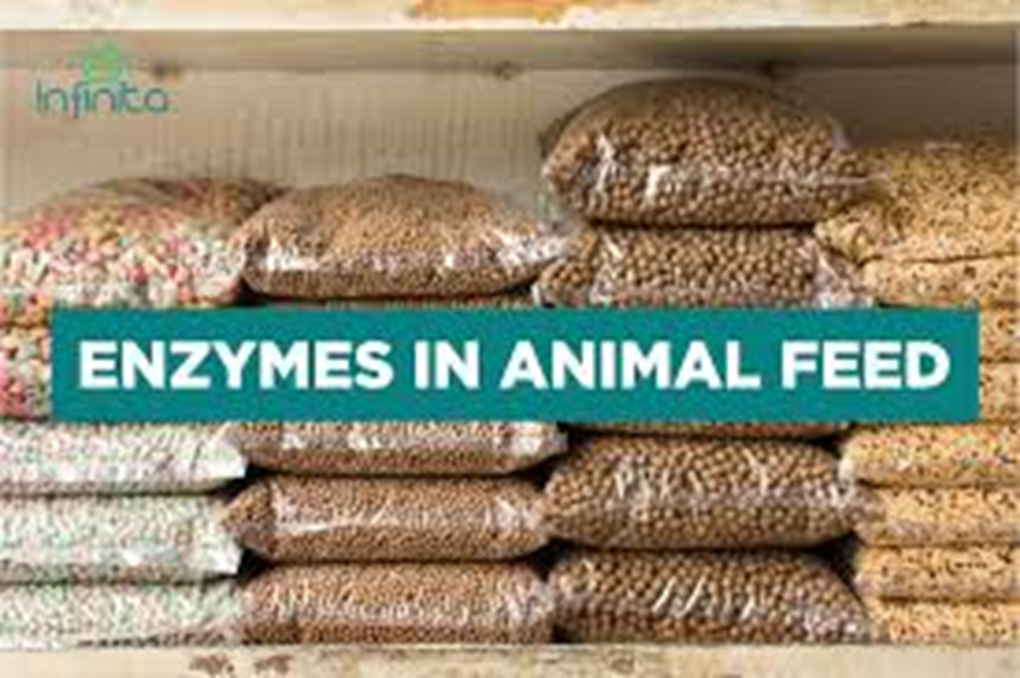
The commercial poultry enzyme market across Asia, with Indonesia emerging as a primary growth corridor, has transitioned into a critical new development phase. Facing historic volatility in global grain commodities, escalating logistics overheads, and shrinking operational margins, livestock integrators are shifting their view of exogenous enzymes.
Once classified as optional nutritional additives, enzymes are now deployed as crucial economic tools to protect production margins and improve feed efficiency.
Squeeze on Production Margins
According to Henri E. Prasetyo, a prominent poultry practitioner and livestock nutritionist in Indonesia, modern Asian poultry production is operating under intense structural pressures. Fluctuating corn and soybean meal (SBM) pricing indexes, regional climate shocks, and transboundary disease pressures have forced a major re-evaluation of flock nutrition strategies.
Because feed inputs command an unprecedented 65% to 75% of total poultry production costs, even minor variations in international grain supply lines can destabilize a processing plant’s profitability.
This economic reality has made feed efficiency technologies essential. The global feed enzyme market reached an estimated valuation of $1.5 Billion to $2.0 Billion USD, with the Asia-Pacific (APAC) territory maintaining its position as the world’s fastest-growing destination.
Shifting Nutritional Strategies: From Additives to Precision Tools
Exogenous enzymes function by breaking down Anti-Nutritional Factors (ANFs) naturally present in plant matter, unlocking hidden energy and bound nutrients. Mr. Prasetyo explains that the strategic inclusion of multi-enzyme complexes allows nutritionists to implement precise formulation reductions, safely lowering the dietary specifications of raw feed while maintaining peak broiler and layer performance.
This biological unlocking enables two critical operational strategies:
A. The Alternative Ingredients Pivot – By utilizing targeted enzyme matrix values, Indonesian producers can partially substitute expensive imported corn and soybean meal with cheaper, locally available alternative ingredients. These alternatives include:
-
De-oiled rice bran (DORB)
-
Palm kernel cake (PKC)
-
Local wheat and distillery coproducts
Without customized enzyme supplementation, these alternative ingredients are high in indigestible non-starch polysaccharides (NSPs) that trigger gut inflammation and wet litter issues.
B. The Core Feed Enzymes
Modern feed formulations leverage a multi-valent enzyme toolkit to maximize nutrient extraction:
-
Phytase: Releases bound phosphorus and amino acids from phytic acid, significantly reducing the need for expensive dicalcium phosphate (DCP).
-
Xylanase & Beta-Glucanase (NSPases): Breaks down viscous fiber walls in alternative grains, lowering gut viscosity and improving overall nutrient absorption.
-
Protease: Targets lower-quality protein fractions, maximizing nitrogen utilization and directly lowering the required inclusion rate of expensive soybean meal.
Managing Supply Chain Inflation and Cost Barriers
The rapid adoption of these technologies across Indonesia comes despite significant supply-side inflation. Global enzyme pricing indexes experienced a distinct 5% to 15% increase, driven by rising post-pandemic energy tariffs, volatile maritime freight rates, and elevated substrate costs for industrial fermentation lines.
“Despite this pricing pressure, demand in Indonesia continues to grow strongly as producers prioritize feed conversion ratios (FCR), nutrient digestibility, and precision nutrition strategies,” Mr. Prasetyo explained to Asian Agribiz.
The financial data supports this approach: while enzyme inclusion adds to the upfront cost per tonne of feed, the resulting improvements in feed conversion efficiency yield a net positive return on investment (ROI), making enzyme integration highly profitable for commercial operations.
Market Dynamics: Asian Feed Enzyme Sector
Operational Vector |
Historical Status Indicator |
Modern Strategic Shift |
Economic Impact Value |
Production Role |
Optional additive for standard nutrient safety margins. |
Strategic Infrastructure Tool for margin resilience and raw material flexibility. |
Insulates feed formulation costs from sudden swings in global grain markets. |
Global Market Size |
Fragmented regional usage profiles. |
Unified $1.5 Billion – $2.0 Billion USD market capitalization. |
Asia-Pacific stands as the fastest-growing consumption hub globally. |
Ingredient Pricing |
Low, stable baseline commodity costs. |
5% – 15% pricing increase due to fermentation and freight inflation. |
Balanced by direct savings on feed formulation and improved flock FCR. |
Raw Material Base |
Strict reliance on standard corn-soybean matrices. |
Flexible utilization of DORB, PKC, and local alternative grains. |
Successfully lowers dependency on expensive imported agricultural commodities. |