


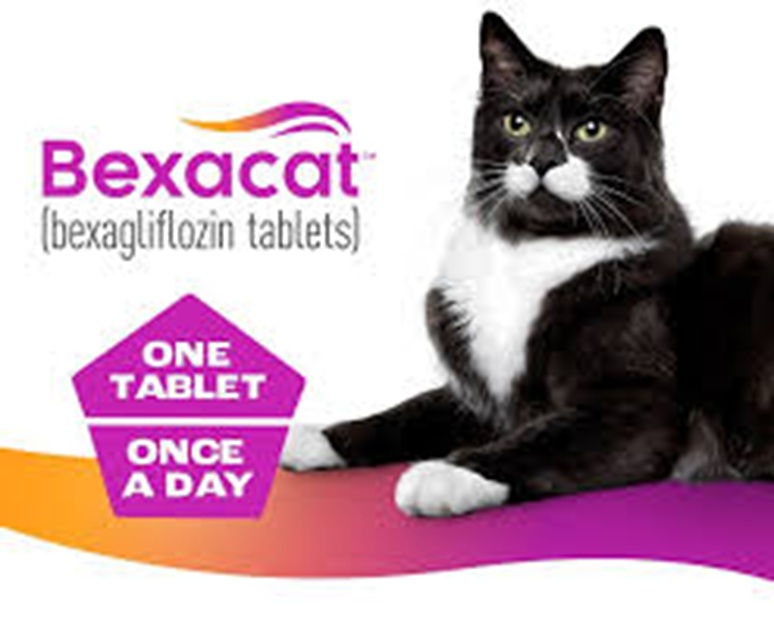
Post-conference reviews emerging from the American Animal Hospital Association (AAHA) have confirmed a radical paradigm shift in veterinary endocrinology. The traditional, decades-old protocols for managing feline diabetes mellitus have been disrupted “virtually overnight” by the widespread clinical adoption of Sodium-Glucose Cotransporter 2 (SGLT2) inhibitors.
Veterinary practitioners are rapidly abandoning classic, high-stress, in-hospital blood glucose curves in favor of once-daily oral therapies that allow for streamlined, at-home monitoring.
The Clinical Shift: Out with the Curves, In with the Oral Pill
For over forty years, a diagnosis of feline diabetes meant a rigorous, daunting commitment for pet owners: twice-daily insulin injections, strict feeding schedules, and frequent, day-long hospitalizations for serial blood glucose monitoring.
The widespread availability of liquid oral SGLT2 inhibitors—specifically bexagliflozin (Bexacat™) and velagliflozin (Senvelgo®)—has rewritten the textbook. Instead of replacing missing insulin, these small-molecule drugs work by blocking glucose reabsorption in the proximal renal tubules of the kidneys, causing the cat to excrete excess sugar through their urine.nitoring
How the Diagnostic Landscape Has Changed:
-
Eliminating “Stress Hyperglycemia”: In-hospital blood glucose curves have long been plagued by feline stress, which artificially spikes a cat’s blood sugar and leads to inaccurate insulin dosing. SGLT2 monitoring relies on structural home metrics, bypassing hospital anxiety completely.
-
Simplified Monitoring: Rather than pricking a cat’s ear or paw pad every two hours, clinical success is now evaluated using three primary markers: physical clinical signs (decreased thirst and urination), steady weight gain, and regular at-home urine or blood ketone testing.
Understanding the SGLT2 Inhibitor Mechanism
To understand why this shift has occurred so rapidly, it is helpful to look at how these molecules interact with the feline kidney compared to traditional insulin therapy.
In a healthy cat, the kidneys filter glucose out of the blood and then completely reabsorb it back into the bloodstream via SGLT2 proteins. In a diabetic cat, this system is overwhelmed. SGLT2 inhibitors selectively bind to these proteins, blocking the reabsorption mechanism and allowing the body to safely flush out glucose, rapidly dropping blood saccharide levels without triggering the dangerous “lows” associated with insulin overdoses.
The Critical Safety Pivot: The DKA Shadow
While AAHA reviews celebrate the unprecedented convenience and high compliance rates of these drugs, key opinion leaders at the conference issued a strict warning regarding a distinct clinical risk: Diabetic Ketoacidosis (DKA).
Because SGLT2 inhibitors lower blood glucose independently of insulin, a cat can develop euglycemic DKA—a dangerous state where the cat’s blood sugar appears completely normal or only mildly elevated, but their body is actively starving and producing toxic ketones.
Revised AAHA Screening Protocol (2026)
Before a veterinarian can prescribe an SGLT2 inhibitor, a rigid protocol must be followed to ensure the patient is a safe candidate:
-
Insulin-Naïve Only: The cat must generally be newly diagnosed and cannot have been previously treated with long-acting insulin.
-
Strict Screening: Pre-treatment bloodwork must confirm healthy liver and kidney function, and completely rule out pre-existing ketones.
-
The 30-Day Ketone Window: Owners must commit to testing their cat’s urine or blood for ketones daily for the first two weeks, and bi-weekly thereafter. Any sign of lethargy, vomiting, or anorexia requires immediate drug cessation and a veterinary emergency visit.
Commercial and Practice Management Impact
The financial and operational impacts on veterinary practices are substantial. Clinics are seeing a decrease in outpatient hospitalization revenue from traditional glucose curves, but this is being offset by:
-
Higher Client Compliance: Many owners who previously chose economic or emotional euthanasia when faced with twice-daily injections are now choosing treatment due to the simplicity of a once-daily oral liquid.
-
Increased Diagnostics Upfront: Comprehensive baseline blood work and specialized screenings (like feline pancreas-specific lipase tests) are seeing a 40% uptick to qualify candidates for SGLT2 therapy.
AHI Editorial Note: The speed at which SGLT2 inhibitors have captured market share from traditional veterinary insulins represents one of the fastest therapeutic adoptions in veterinary history. It highlights a broader 2026 industry trend: pet therapeutics must not only be efficacious for the animal, but they must also fit seamlessly into the lifestyle of the modern, busy pet owner.

