

HomeCorporateAustralia Confirms First Mainland H5N1 Detection, Intensifies National Biosecurity Response

Australia Confirms First Mainland H5N1 Detection, Intensifies National Biosecurity Response

No infections detected in commercial poultry farms as authorities expand surveillance following discovery in migratory seabird

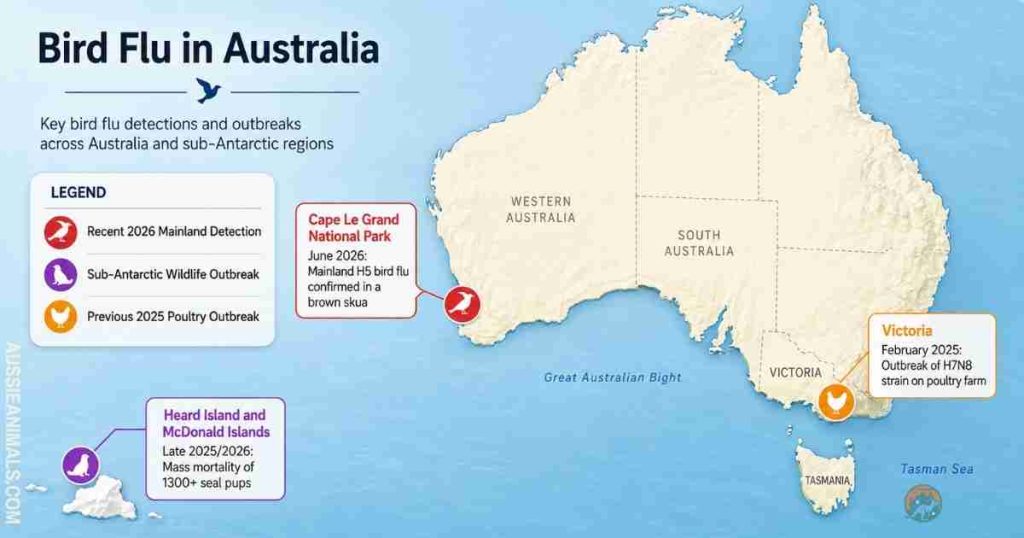
Canberra, Australia | 20 June 2026 — Australian animal health authorities have intensified nationwide surveillance and biosecurity measures after confirming the country’s first mainland detection of highly pathogenic H5N1 avian influenza (clade 2.3.4.4b) in a wild migratory seabird, marking a significant milestone in Australia’s long-standing efforts to prevent the virus from reaching the continent.

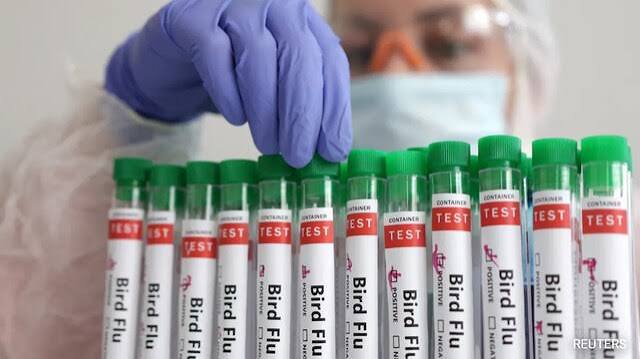
The virus was confirmed by the CSIRO Australian Centre for Disease Preparedness (ACDP) in a brown skua found near Cape Le Grand National Park, east of Esperance in Western Australia. A second migratory seabird, a giant petrel, has also returned a suspected positive result and remains under investigation.
images 1 5

No Spread to Poultry Detected

Federal authorities stressed that there is currently no evidence of infection in commercial poultry, no unusual mortality events in poultry flocks and no indication that Australia’s poultry industry has been affected.

The Australian Government confirmed that the detection does not alter Australia’s international disease status as free from highly pathogenic avian influenza in poultry, an important reassurance for domestic producers and export markets.

Years of Preparedness Put Into Action

Australia had remained the last inhabited continent without a mainland detection of the globally circulating H5N1 lineage. Anticipating its eventual arrival, federal and state governments have invested heavily in preparedness, including enhanced wildlife surveillance, emergency response exercises, farm biosecurity, diagnostic capacity and protection plans for vulnerable native species.

Following confirmation of the case, authorities convened national emergency animal disease coordination mechanisms and expanded surveillance around the detection site to determine whether the virus has spread beyond the affected birds. Producers have been advised to strengthen farm biosecurity, while veterinarians and wildlife carers have been urged to report any unusual illness or mortality in birds or susceptible wildlife.

Wildlife at Greatest Immediate Risk

Unlike previous Australian outbreaks involving different avian influenza strains in poultry, the current H5N1 lineage has caused unprecedented mortality among wild birds and marine mammals across Europe, North America, South America and parts of Asia.

Australian conservation agencies are particularly concerned about species such as seabirds, penguins, sea lions and other native wildlife that could be vulnerable if the virus becomes established. More than 100 species-specific response plans have been prepared as part of Australia’s wildlife protection strategy.

Low Risk to Humans and Food Supply

Health authorities continue to assess the public health risk as low. Human infections remain rare and are generally associated with close contact with infected birds.

Officials also reiterated that properly handled and thoroughly cooked poultry meat and eggs remain safe to consume, and there is no evidence that the current detection poses a food safety risk. Members of the public are advised not to handle sick or dead birds and to report suspected cases through the national Emergency Animal Disease Hotline.

Industry Implications

Australia’s poultry sector is a cornerstone of the country’s livestock industry, producing billions of eggs and hundreds of thousands of tonnes of chicken meat annually. The absence of infection in commercial flocks is therefore of critical economic importance.

For the veterinary community, today’s confirmation represents the transition from preparedness to active surveillance. While the detection is currently confined to wild migratory seabirds, the coming days will be pivotal as epidemiological investigations determine whether the virus remains an isolated wildlife event or signals broader circulation within Australia’s wild bird populations.

RELATED ARTICLES