


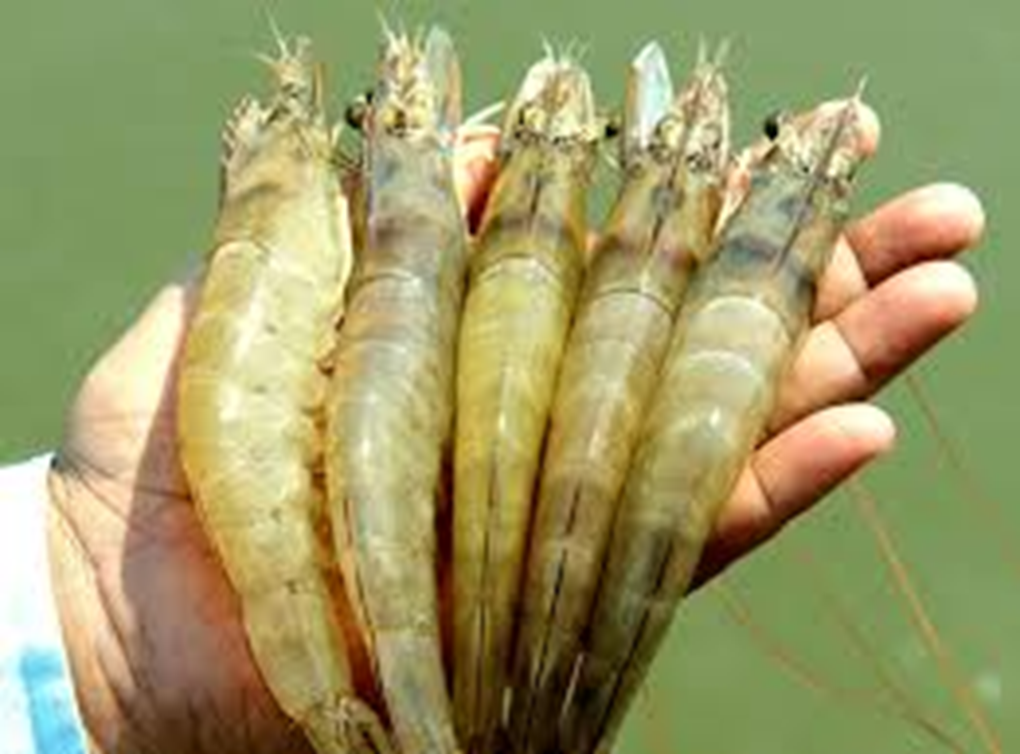
A comprehensive macroeconomic assessment of India’s blue economy has revealed that the national aquaculture sector faces a staggering $2.48 Billion USD annual disease burden suggesting the huge economic opportunity cost of aqua farming in India.
The landmark study highlights severe biological threats across both brackishwater shrimp farming and freshwater finfish farming. Alarmingly, the data reveals that prophylactic expenses—including farm-level biosecurity inputs, water treatments, probiotics, and diagnostic testing—now command a staggering 50.31% of the total disease cost burden, outpacing direct crop mortality losses.
As India pushes to achieve its ambitious ₹1 Lakh Crore (USD 11 Bn) seafood export target under the Pradhan Mantri Matsya Sampada Yojana (PMMSY), these mounting losses highlight an urgent need for standardized diagnostic networks and tighter regulations at the hatchery level.
Shrimp Sector in India: EHP and WSSV Inflict HugeLosses
India’s high-value export shrimp sector, dominated by Penaeus vannamei, is facing a severe financial squeeze from two primary pathogens: Enterocytozoon hepatopenaei (EHP) and White Spot Syndrome Virus (WSSV).
EHP Crisis ($571 Million Annual Loss)
The microsporidian parasite EHP has officially become the single most destructive biological threat to Indian shrimp farming, accounting for an astronomical $571 Million USD in annual losses. This single parasite is responsible for a massive 78.41% of all shrimp disease losses nationwide.
Unlike viral outbreaks that cause sudden, massive mortality, EHP operates as a quiet economic drain:
-
The Biological Mechanism: The intracellular parasite targets and destroys the cells within the shrimp’s digestive tract (hepatopancreas)
-
The Economic Impact: It completely halts nutrient absorption, leading to chronically stunted growth, severe size variation across the pond, and poor feed conversion ratios (FCRs). EHP alone wipes out 16.19% of India’s total shrimp production value, forcing farmers to harvest early at small, unprofitable sizes
WSSV Economic Impact Study ($18.6 Million Annual Loss)
While EHP causes slow, stunted growth, White Spot Syndrome Virus (WSSV) remains the primary cause of acute, rapid crop failure. WSSV accounts for 2.56% of total production value losses. Because a single WSSV infection can wipe out an entire pond within 3 to 7 days, it remains a major source of financial risk for coastal farming communities.
Freshwater Finfish: BHS causes huge losses in Indian Major Carps (IMC)
In inland freshwater fish farming, the financial damage is heavily concentrated across the cultivation of Indian Major Carps (IMC), including Catla (Labeo catla), Rohu (Labeo rohita), and Mrigal (Cirrhinus cirrhosus).
The primary driver of finfish mortality is Bacterial Haemorrhagic Septicaemia (BHS), a severe systemic disease primarily caused by motile Aeromonas species (including Aeromonas hydrophila). The audit estimates the national economic loss on account of BHS at a massive $326.47 Million USD annually.
Prophylactic Spends: Farmers Spend Heavily on Prevention
A striking takeaway from the national data is how the financial burden of aquaculture diseases is actually structured. Direct crop losses from dying fish and shrimp are no longer the only major cost driver; instead, preventative spend (prophylactics) now accounts for 50.31% of the entire $2.48 billion disease burden.
Driven by the constant threat of crop failure, Indian farmers are investing heavily in preventative measures. This includes spending substantial capital on water disinfectants, sanitizers, gut and soil probiotics, immune stimulants, and regular PCR diagnostic screenings. While these expenses are necessary to keep pathogens at bay, they add significant upfront operational costs, severely squeezing the international market competitiveness of Indian seafood exporters.
Comprehensive Economic Impact: Indian Aquaculture Disease Burden
Targeted Farm Sector |
Dominant Pathogen Vector |
Annual Economic Loss |
Percentage of Sector Loss |
Net Hit to Total Production Value |
Brackishwater Shrimp |
EHP (Microsporidian) |
$571.00 Million USD |
78.41% of shrimp losses |
16.19% of total value lost |
Brackishwater Shrimp |
WSSV (Viral Pathogen) |
$18.64 Million USD |
Standard Baseline |
2.56% of total value lost |
Freshwater Finfish |
BHS (Aeromonas Bacterial) |
$326.47 Million USD |
Core Finfish Driver |
High Regional Finfish Losses |
All Aquaculture Sectors |
Prophylactic Inputs |
$1.24 Billion USD |
50.31% of total burden |
Fixed Operational Cost Squeeze |
National Losses |
Combined Pathogens |
$2.48 Billion USD |
100% |
Massive Drain on Export Potential |
AHI Opinion
The $2.48 billion annual disease burden shows that the future of Indian aquaculture relies more on biosecurity, not just increasing production volume. With EHP draining over half a billion dollars through stunted growth, and carps facing severe bacterial septicaemia outbreaks, the industry must transition toward cleaner farming practices.
By enforcing strict Specific Pathogen Free (SPF) seed certifications at hatcheries and optimizing the use of preventative probiotics, India can lower its high prophylactic expenses, shield its coastal farmers from sudden crop losses, and protect its status as a premier global seafood exporter.