


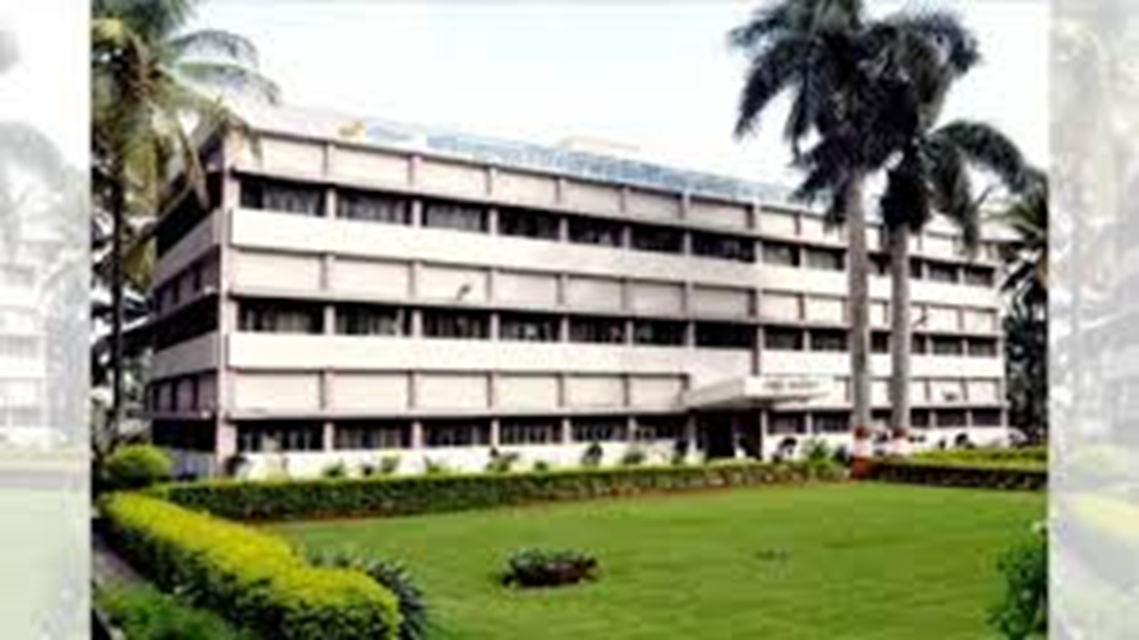
New veterinary institution in Kolhapur expected to strengthen animal healthcare manpower and livestock-sector modernization
Maharashtra has recently received approval for its first private veterinary and animal sciences college in the Pune division, marking a significant development for India’s veterinary education and livestock healthcare ecosystem amid rising demand for trained animal-health professionals across dairy, poultry, livestock, and companion animal sectors.
The new institution — the Tatyasaheb Kore Institute of Veterinary and Animal Science — will be established in Kolhapur and is expected to begin admissions from the 2026–27 academic year.
The approval was granted following inspections and regulatory clearances involving:
- the Veterinary Council of India
- Maharashtra Animal and Fishery Sciences University
- the Department of Animal Husbandry and Dairying
Officials confirmed that the college will offer:
- Bachelor of Veterinary Science & Animal Husbandry (B.V.Sc & A.H.)
- annual intake capacity of 80 students
- admissions through NEET-based processes
Industry observers say the development reflects growing national urgency around expanding India’s veterinary workforce as the country’s livestock and companion animal sectors continue scaling rapidly.
India’s veterinary workforce shortage becoming critical
The establishment of the new veterinary college comes at a time when India is facing increasing pressure on its veterinary infrastructure due to:
- rising dairy production
- rapid poultry industry expansion
- growing companion animal ownership
- livestock disease-management challenges
- intensifying biosecurity requirements
Industry experts say India’s current veterinarian-to-animal ratio remains significantly below optimal levels for a country that:
- produces the world’s largest milk volumes
- operates one of the world’s largest livestock populations
- has one of the fastest-growing poultry sectors globally
The shortage is especially acute in:
- rural livestock healthcare
- poultry disease management
- companion animal medicine
- emergency veterinary services
- veterinary diagnostics
- public-health surveillance systems
Veterinary associations and livestock-sector stakeholders have repeatedly called for:
- more veterinary colleges
- expanded clinical infrastructure
- improved practical training
- specialized livestock-health education
- stronger rural veterinary access
The Kolhapur institution is therefore being viewed as a strategically important addition to western India’s veterinary education capacity. The western Maharashtra belt, including Kolhapur and surrounding districts, has emerged as an important center for:
- cooperative dairy development
- poultry integration
- livestock entrepreneurship
- veterinary pharmaceutical distribution
Growing opportunities in animal health and veterinary sciences
The expansion of veterinary education also reflects broader growth opportunities emerging across India’s animal-health ecosystem.
Key growth areas include:
- veterinary pharmaceuticals
- livestock vaccines
- biologics
- diagnostics
- nutraceuticals
- animal nutrition
- pet healthcare
- poultry disease management
- dairy herd optimization
Global animal-health companies are increasingly expanding operations in India due to:
- large livestock populations
- rising protein demand
- poultry-sector growth
- expanding dairy modernization
- rapid companion animal adoption
Industry observers believe India could emerge as one of the world’s largest future markets for veterinary healthcare and animal nutrition solutions.

