


HomePoultryIndonesia: Poultry Major WMU Targets Southeast Asia's Largest Cage-Free Egg Business

Indonesia: Poultry Major WMU Targets Southeast Asia’s Largest Cage-Free Egg Business

Rising demand for higher animal welfare standards drives major pivot to cage free operations in Indonesia’s premium egg sector.

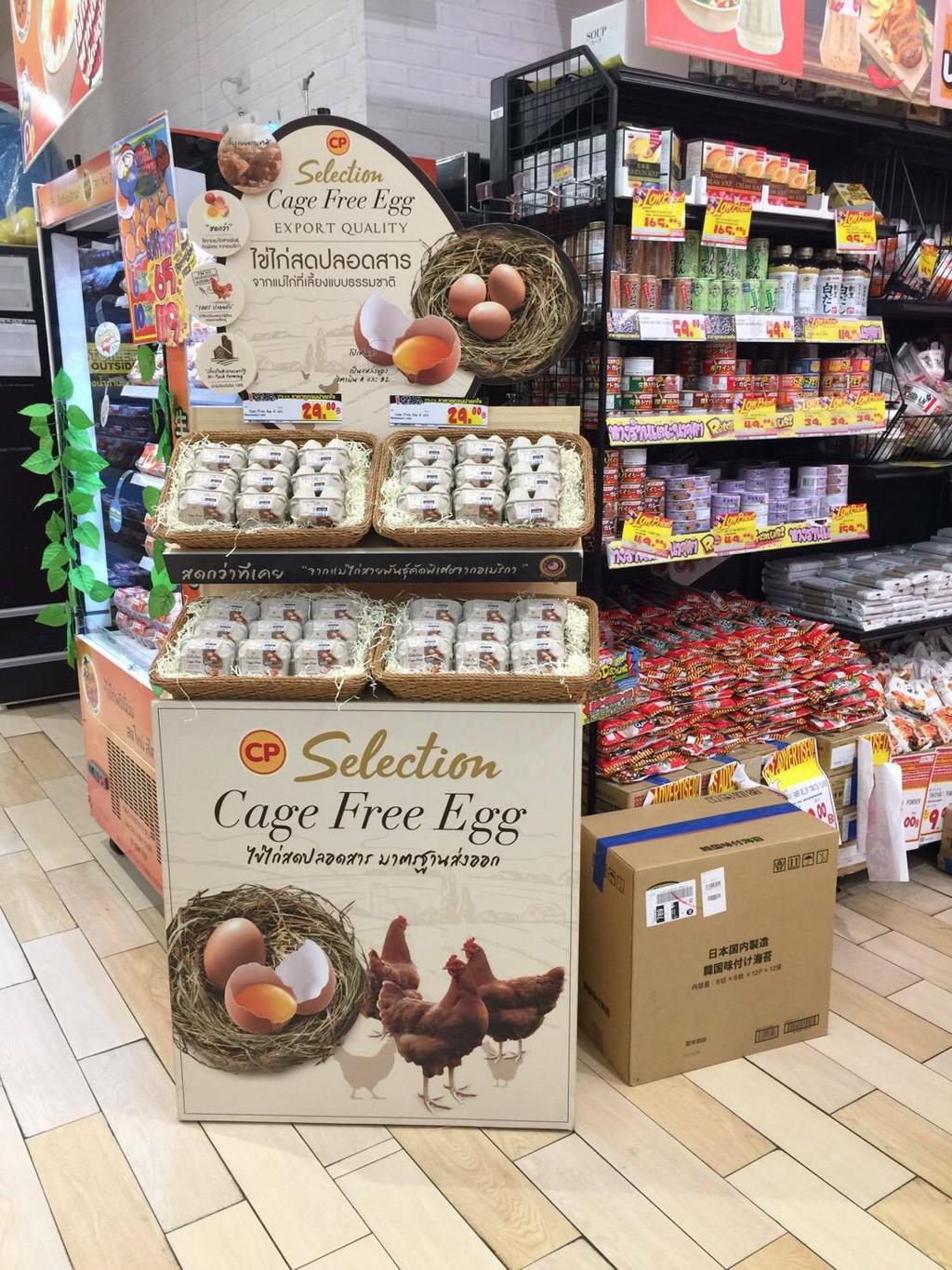
Growing consumer demand for ethically produced food and higher animal welfare standards is reshaping Southeast Asia’s egg industry, with Indonesian poultry company PT Widodo Makmur Unggas Tbk (WMU) announcing an ambitious expansion strategy to become the region’s largest producer of cage-free eggs by 2027. The investment reflects a broader shift in consumer preferences and food industry procurement policies across Asia, where retailers, hotel chains and multinational food companies are increasingly committing to cage-free sourcing.

WMU currently operates approximately 200,000 cage-free laying hens and plans to increase production capacity to 500,000 laying hens by 2027, more than doubling its existing flock. According to the company’s marketing leadership, the expansion is being implemented ahead of anticipated demand growth rather than in response to existing supply shortages, positioning the company to capitalize on the rapidly expanding premium egg segment.

“The market for cage-free eggs in Indonesia continues to grow steadily,” said Tri Mahawijaya Herlambang, Marketing Director of WMU. He noted that demand is being driven not only by multinational foodservice companies but also by an increasing number of Indonesian businesses adopting higher animal welfare standards throughout their supply chains.
BZwVSYJ7jqlHBbA6Q158 IgUKUOLWdZAnhUAQHppIVCjtwA 8QWQxoF9fg0sWIcurcGNWGl1iTs46y NcTed kh2107 MTv8rlnCORXVvSxz47zLrkPtP3tKsDmOmWnezVsyzZZlwV64wJ93fk2tHZQqocj37cvlR7sH 7xoN k

Consumer Preferences Drive Market Transformation

Industry analysts attribute the momentum behind cage-free production to changing consumer expectations regarding food quality, sustainability and animal welfare.

Research cited by industry organisations indicates that 55% of Indonesian consumers prefer products made using cage-free eggs, while 72% believe food companies should source eggs from farms implementing recognized animal welfare standards. These evolving preferences are encouraging restaurants, hotels and packaged food manufacturers to transition toward cage-free procurement policies.

Globally, more than 2,000 food companies have committed to sourcing 100% cage-free eggs over the coming years, including several international restaurant and hospitality brands operating across Southeast Asia. The growing alignment between corporate sustainability commitments and consumer expectations is expected to continue supporting premium egg production throughout the region.

Beyond Animal Welfare

WMU currently markets its cage-free eggs primarily through business-to-business channels, supplying hotels, restaurants, catering companies and quick-service restaurant operators. The company also plans to introduce its own branded cage-free egg products for Indonesia’s retail market as consumer awareness continues to expand.

In addition to animal welfare considerations, cage-free production has increasingly been associated with food safety and sustainability. Studies referenced by industry groups have suggested that well-managed cage-free production systems may reduce the risk of certain foodborne pathogens while improving consumer confidence in premium egg products.

A Growing Regional Opportunity

The expansion comes as the Asia-Pacific cage-free egg market continues to develop from a relatively small but rapidly growing niche into a significant segment of the broader poultry industry. Market analysts project continued growth over the next decade, supported by increasing urbanization, rising disposable incomes, corporate sustainability commitments and stronger consumer awareness of animal welfare.

If completed as planned, WMU’s expansion would position the company as Southeast Asia’s largest cage-free egg producer, reinforcing Indonesia’s emerging role in the region’s premium poultry sector and highlighting the growing commercial importance of higher-welfare animal production systems.

Animal Health India Editorial Team
Animal Health India Editorial Teamhttps://animalhealthindia.com
Animal Health India (AHI) is an independent news and intelligence platform covering the global animal health, veterinary, livestock, poultry, companion animal and pet food sectors. Our editorial team comprises veterinary journalists, animal health professionals, regulatory affairs specialists and industry analysts with over 30 years of combined experience covering India, Asia, Europe and North America. AHI publishes news, regulatory updates, market intelligence and company news drawn from primary sources including DAHD, EMA, USDA, AVMA and leading veterinary publications worldwide.
RELATED ARTICLES