


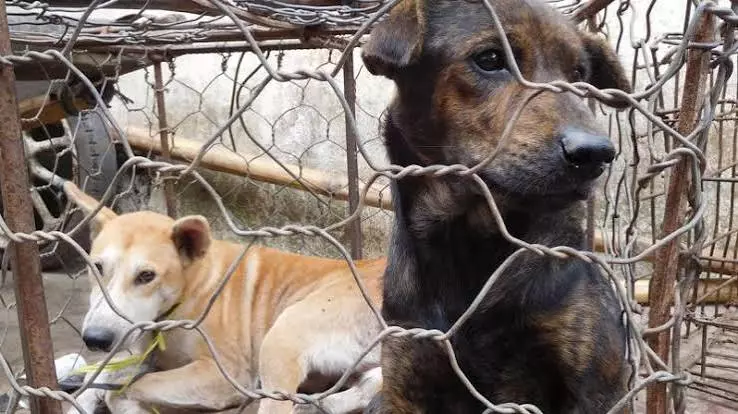
Marking World Zoonoses Day, the veterinary wing of the Greater Hyderabad Municipal Corporation (GHMC), in collaboration with private veterinary practitioners and animal welfare organisations, launched an extensive anti-rabies vaccination campaign targeting stray and community dogs across multiple zones of the city. The initiative forms part of Hyderabad’s continuing efforts to reduce the burden of rabies through mass vaccination, public awareness and responsible stray animal management.
The campaign included mobile vaccination teams, public awareness programmes and coordinated outreach in high-density urban areas, with officials encouraging residents to report unvaccinated stray dogs and ensure that owned pets remain up to date with their annual rabies immunisation schedules.
Rabies Remains a Major Public Health Concern
Veterinary officials used the occasion to reiterate that rabies continues to pose a significant public health challenge in India, which accounts for one of the world’s highest numbers of human rabies deaths each year. Since domestic dogs are responsible for the overwhelming majority of human rabies transmission, sustained vaccination of the canine population remains the cornerstone of disease prevention.
The campaign aligns with India’s long-term objective of eliminating dog-mediated human rabies through integrated vaccination, sterilisation and community education programmes.
Veterinarians Stress Importance of Booster Vaccinations
During the awareness drive, veterinary professionals highlighted concerns regarding post-operative vaccination practices under Animal Birth Control (ABC) programmes.
According to participating veterinarians, many stray dogs receive an initial anti-rabies vaccination during sterilisation but are rarely available for the recommended booster doses or subsequent annual revaccination. While a primary vaccination provides initial immune stimulation, veterinarians noted that booster immunisation is important for establishing durable protection and maintaining adequate population immunity over time.
Experts cautioned that achieving effective herd immunity requires consistent vaccination coverage across the stray dog population rather than relying solely on one-time interventions.
Urban Waste Management Linked to Stray Dog Growth
Veterinary authorities also drew attention to the relationship between urban waste management and the increasing stray dog population.
Officials observed that poorly managed garbage accumulation and open food waste continue to provide abundant food sources for free-roaming dogs, supporting larger populations in urban areas. As stray dog numbers increase, the logistical challenge of maintaining high vaccination coverage also becomes more complex.
Public health experts emphasised that sustainable rabies control requires coordinated action involving municipal sanitation, waste management, sterilisation programmes and regular vaccination campaigns.
Integrated Control Strategy
GHMC officials said the World Zoonoses Day campaign forms part of a broader strategy combining:
-
Mass anti-rabies vaccination;
-
Animal Birth Control (ABC) programmes;
-
Public awareness on responsible pet ownership;
-
Improved surveillance of animal bite incidents; and
-
Collaboration with veterinary professionals and animal welfare organisations.

