A landmark ecotoxicology study published in the journal Environmental Toxicology and Chemistry has issued a major warning to the global veterinary and pet care industries.
The study, led by Dr. Philippe Berny at VetAgro Sup in France, reveals that isoxazolines—a highly popular, blockbuster class of oral and topical flea and tick medications for dogs and cats—pose a severe and prolonged threat to non-target wildlife ecosystems when excreted in pet waste.
Environmental Mechanism of Action
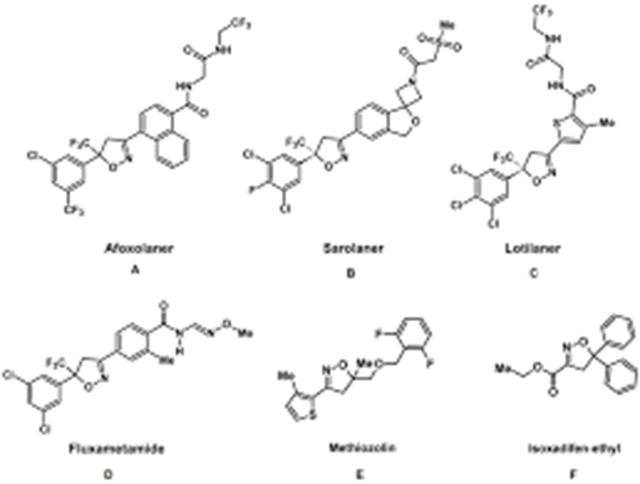
First introduced to the global market in 2013, isoxazoline compounds (including fluralaner, lotilaner, afoxolaner, and sarolaner) revolutionized veterinary medicine as the first systemic, long-acting oral treatments capable of paralyzing and killing ectoparasites for a month or longer. Brand names utilizing this chemistry include commercial, market leading brands like Bravecto, NexGard, Credelio, and Simparica and respective combinations.
Pet Ingests Isoxazoline Pill] ──► Long Plasma Half-Life (Systemic Defense)
│
▼ (The Environmental Pathway)
[Prolonged Biliary/Fecal Excretion] ──► Contaminated Feces in Soils/Wilderness
│
▼ (Collateral Ecological Damage)
[Disruption of Non-Target Species] ──► Death of Dung Beetles, Flies, & Butterflies
However, because these drugs are designed with long plasma half-lives to maximize efficacy, they pass through companion animals largely intact and are eliminated primarily via the biliary and fecal routes.
Core Data & Elimination Effects
The French research team monitored 20 dogs and 20 cats over a three-month routine treatment cycle, tracking the persistence of active chemicals in their feces. The data revealed a surprisingly long environmental release window:
-
Extended Fecal Elimination: Even after the formal treatment period ended, active compounds remained highly concentrated in pet waste. Residual traces were continuously detected in dog feces for up to 114 days, and in cat feces for up to 156 days
-
Median Fecal Half-Lives: In dogs, the median fecal elimination half-lives were clocked at 22.9 days for fluralaner, 24.6 days for lotilaner, 19.7 days for afoxolaner, and 17.4 days for sarolaner
Using Monte Carlo simulation models to run an environmental risk assessment, investigators confirmed that routine pet treatments expose non-target, dung-feeding arthropods to highly toxic chemical loads.
CRITICAL INSECTS AT ECOSYSTEM RISK │
├────────────────────────────────────────────────────────┤
│ • Dung Beetles ──► Disruption of soil nutrient cycles │
│ • Wild Flies ──► Interruption of waste breakdown │
│ • Butterflies ──► Threatens vital regional diptera
When pets defecate outdoors or near pastures, these insects ingest the drug residues. Because isoxazolines target GABA and glutamate-gated chloride channels unique to invertebrates, the contaminated feces indiscriminately paralyze and kill beneficial insects.
The research team warns that this localized bio-accumulation could cause severe, cascading disruptions to environmental lifecycles, threatening vital natural processes like waste decomposition, soil aeration, and organic nutrient recycling.
The European Medicines Agency (EMA) has previously noted the potential for veterinary parasiticides to contaminate localized ecosystems, but this study provides the most definitive quantitative data to date on companion animal pathways.
Moving forward, the research team is urging international regulatory bodies to mandate a structural update to the Summary of Product Characteristics (SPC) on pet medication packaging. They are calling for clear warnings regarding the prolonged fecal elimination of these chemicals, forcing veterinarians and pet owners to balance internal parasite prevention with external ecosystem safety.